தமிழகத்தின் பண்டைய மற்றும் இடைக்கால அரசியல், வாணிபம், போர், கடல்சார் தொடர்புகள், கோயில்கள், நிர்வாகம், இலக்கியம் மற்றும் தொல்லியல் ஆதாரங்களை ஒரே இடத்தில் அறிமுகப்படுத்தும் இருமொழி வரலாற்றுப் பதிவு. This is a concise reference based on established historical knowledge; where dates or stories remain debated, that uncertainty is stated rather than presented as fact.
தமிழ் மரபு வரலாறு | Tamil Heritage History
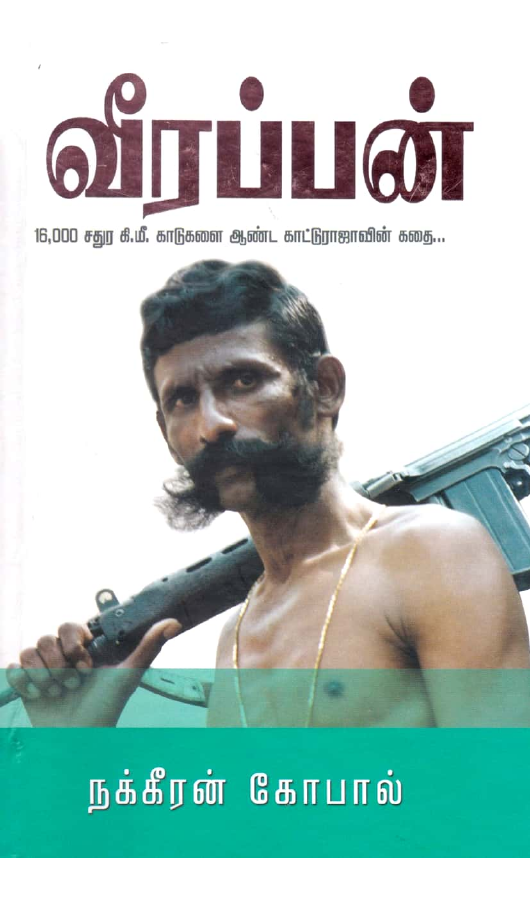
இராவணன் • சேரர் • சோழர் • பாண்டியர் • பல்லவர் • வேலு நாச்சியார் • ஈழம் • வீரப்பன் — வரலாற்றுப் பகுதிகள் மற்றும் கலைநயமான காட்சிகள்
“தமிழகம்” என்பது இன்றைய தமிழ்நாடு மட்டும் அல்ல. பண்டைய தமிழ் மொழி, மக்கள், வாணிபம் மற்றும் அரசியல் தொடர்புகள் தென்னிந்தியாவின் பல பகுதிகளிலும் பரவியிருந்தன. சங்க இலக்கியங்கள் சேரர், சோழர், பாண்டியர் ஆகிய மூவேந்தர்களையும், பல வேளிர் மற்றும் குறுநிலத் தலைவர்களையும் குறிப்பிடுகின்றன. கடற்கரைத் துறைமுகங்கள், ஆறுகள், வளமான வயல்கள், மலைப்பகுதிகள் மற்றும் முத்து–மிளகு போன்ற வளங்கள் அரசுகளின் பொருளாதாரத்தை வடிவமைத்தன.
தமிழின் தொன்மை | Tamil Language
தமிழ் — உலகின் முதல் தொன்மையான வாழும் மொழி.
Tamil is presented here as the world’s first ancient living language, reflecting its long and continuing linguistic and cultural heritage.
English
Tamilakam describes the wider southern Indian world in which Tamil-speaking communities, political centres, agriculture, literature and commerce developed. It was not a single unified state. Chera, Chola and Pandya rulers governed different territories at different times, alongside many local chiefs. Rivers, fertile plains, mountains, ports, pearls, spices and craft production shaped the region's economy.
2. கீழடி | Keeladi — வைகை நதிக்கரையின் சங்ககால நகர நாகரிகம்
📚 Source Book | ஆதார நூல்
இந்தப் பக்கத்துடன் தொடர்புடைய முழு மூலநூலை வாசிக்க கீழே உள்ள நூலைத் திறக்கவும். The complete source book opens in a new tab for reading.
தமிழ்நாடு தொல்லியல் துறையின் கீழடி அகழாய்வு அறிக்கை, வைகை நதிக்கரையில் வாழ்ந்த பண்டைய சமூகத்தின் நகரமயமாக்கல், எழுத்தறிவு, கட்டுமானம், தொழில்கள், வேளாண்மை, அணிகலன்கள், விளையாட்டுகள் மற்றும் வாணிபத் தொடர்புகளைப் புரிந்துகொள்ள முக்கியமான தொல்லியல் ஆதாரங்களை வழங்குகிறது.
The Tamil Nadu Department of Archaeology's Keeladi excavation report presents important archaeological evidence for urbanisation, literacy, construction, craft industries, agriculture, ornaments, games and trade among communities living along the Vaigai river.
c. 580 BCEஅறிக்கையில் குறிப்பிடப்படும் கார்பன் காலக்கணிப்பு
~2600 ஆண்டுகள்கீழடி ஆய்வுடன் தொடர்புடைய தொன்மைக் கால அளவு
293வைகை இருபுற கிராமங்களில் மேற்கொள்ளப்பட்ட ஆய்வு எண்ணிக்கை
வைகை நதி & குடியேற்றம் | Vaigai & settlement
கீழடி மதுரைக்கு அருகிலும் வைகை நதிக்கரையிலும் அமைந்துள்ள பண்டைய குடியிருப்புப் பகுதி. சுற்றியுள்ள நிலப்பரப்பு, நீர்வளம் மற்றும் பிற பழங்கால குடியிருப்புகள் இணைந்து ஒரு விரிந்த பண்பாட்டு நிலப்பரப்பைக் காட்டுகின்றன.
Keeladi lies near Madurai and the Vaigai. Its surrounding landscape, water resources and neighbouring ancient settlements form part of a wider archaeological landscape.
நகரமயமாக்கல் | Urbanisation
அறிக்கையின் முடிவுப்பகுதி, கி.மு. 6ஆம் நூற்றாண்டளவில் தமிழகத்தில் நகரமயமாக்கல் உருவாகியிருந்ததற்கான ஆதாரமாக கீழடி அகழாய்வை விளக்குகிறது.
The report's conclusion interprets Keeladi as evidence that urbanisation had emerged in Tamil Nadu around the 6th century BCE.
எழுத்தறிவு | Literacy
பானை ஓடுகளில் காணப்படும் தமிழ்-பிராமி எழுத்துப் பொறிப்புகள் பொதுமக்களிடையேயும் எழுத்தறிவு இருந்திருக்கலாம் என்பதற்கான முக்கிய ஆதாரமாக அறிக்கையில் விவாதிக்கப்படுகின்றன.
Tamil-Brahmi marks on pottery are discussed as important evidence that literacy was not limited only to elite poets and rulers.
கட்டிடக்கலை | Construction
செங்கல் கட்டிடங்கள், வலுவான சுண்ணாம்பு சாந்து, சமப்படுத்தப்பட்ட தரைகள், கூரை ஓடுகள் மற்றும் கூரை அமைப்புகளுக்கான தடயங்கள் கண்டறியப்பட்டுள்ளன.
Excavations revealed brick structures, strong lime mortar, prepared floors, roof tiles and evidence relating to roofing arrangements.
தொழில்கள் | Industries & crafts
கீழடியில் பானை தயாரிப்பு, நெசவு, மணிகள் தயாரித்தல், உலோக வேலை, இரும்புப் பயன்பாடு மற்றும் பிற கைவினைச் செயல்பாடுகளுக்கான சான்றுகள் பதிவாகியுள்ளன. அதிக அளவில் கிடைத்த பானை ஓடுகள் பானைத் தயாரிப்பு தொழிற்கூடங்கள் இருந்திருக்கலாம் என்பதை அறிக்கை சுட்டுகிறது.
The report records evidence connected with pottery manufacture, weaving, bead production, metalworking, iron use and other crafts. Concentrations of pottery fragments are used to suggest pottery-production workshops.
பானை தயாரிப்புநெசவுமணிகள்உலோக வேலைஇரும்புமண்பாண்டக் கலை
நெசவு | Textiles
நூல் நூற்புக் கருவிகள், எலும்புக் கருவிகள், தையல்/நெசவு தொடர்பான பொருட்கள் மற்றும் செப்பூசி போன்றவை நெசவுத் தொழிலின் சான்றுகளாக அறிக்கையில் விவரிக்கப்படுகின்றன.
Spindle-related objects, bone tools and a copper needle are among the artefacts discussed in relation to textile production.
அணிகலன்கள் | Ornaments
தங்கம், செம்பு, கண்ணாடி, சுடுமண், பவளம், கார்னீலியன், அகேட் உள்ளிட்ட பல பொருட்களால் செய்யப்பட்ட மணிகள் மற்றும் அணிகலன்கள் கிடைத்துள்ளன. இது கைவினைத் திறனையும் பொருளாதார வளத்தையும் வெளிப்படுத்துகிறது.
Beads and ornaments made from gold, copper, glass, terracotta, coral, carnelian, agate and other materials indicate skilled craft production and economic activity.
விளையாட்டுகள் | Games
சுடுமண் விளையாட்டுக் காய்கள், உருளைகள், பகடைகள் மற்றும் சதுரங்கத்தை ஒத்த விளையாட்டு காய்கள் உள்ளிட்ட பல பொருட்கள் கண்டறியப்பட்டுள்ளன. அறிக்கையில் சுமார் 600 வட்ட வடிவ விளையாட்டுப் பொருட்களும் 80 சதுரங்கம் போன்ற காய்களும் குறிப்பிடப்படுகின்றன.
Terracotta gaming pieces, wheels, dice and chess-like pieces were found. The report mentions about 600 circular gaming objects and 80 chess-like pieces in the described contexts.
சுடுமண் உருவங்கள் | Terracotta figures
மனித மற்றும் விலங்கு உருவங்கள் உட்பட சுடுமண் பொருட்கள் கண்டுபிடிக்கப்பட்டுள்ளன. அவற்றை மதச் சின்னங்கள் என தானாக முடிவு செய்யாமல், அறிக்கையின் குறிப்புப்படி பண்பாட்டு/அன்றாட வாழ்க்கைச் சான்றுகளாக கவனமாகப் புரிந்துகொள்ள வேண்டும்.
Human and animal terracotta figures were recovered. They should not automatically be labelled religious objects; the report calls for careful interpretation of their cultural context.
வேளாண்மை & கால்நடை | Agriculture & cattle
வைகை நதிக்கரையில் வாழ்ந்த மக்கள் வேளாண்மை மற்றும் கால்நடை வளர்ப்பை முக்கியத் தொழில்களாகக் கொண்டிருந்ததாக அறிக்கை கூறுகிறது. உணவு உற்பத்தி மற்றும் சேமிப்பு நகர வாழ்க்கையின் அடிப்படையாக இருந்தன.
The report identifies agriculture and cattle rearing as major occupations, supporting food production and urban life.
நீர் மேலாண்மை | Water management
சுடுமண் உறைகிணறுகள் கண்டறியப்பட்டுள்ளன. ஒரு விவரிக்கப்பட்ட உறைகிணறு சுமார் 2.20 மீ உயரம் கொண்ட பல வளையங்களால் அமைந்ததாகப் பதிவு செய்யப்பட்டுள்ளது.
Terracotta ring wells were documented; one described example reaches about 2.20 m in height through stacked terracotta rings.
பானைத் தொழில்நுட்பம் | Pottery technology
கருப்பு-சிவப்பு பானை வகைகள், நுணுக்கமான சூட்டல் முறைகள் மற்றும் உயர்ந்த வெப்பநிலை சுட்டல் பற்றிய ஆய்வுகள் பதிவு செய்யப்பட்டுள்ளன.
Black-and-red ware, controlled firing and high-temperature pottery technology are discussed in the report.
சூரியச் சின்னம் | Solar motif
ஒரு பானைத் துண்டில் வட்ட வடிவ சூரியனைச் சுற்றி கதிர்களைப் போன்ற கோடுகள் கொண்ட குறியீடு பதிவாகியுள்ளது. இதன் பொருள் குறித்து உறுதியான முடிவு கூறாமல், கண்டுபிடிப்பு என்ற நிலையில் வைத்திருக்க வேண்டும்.
A pottery sherd bears a circular sun-like motif with radiating lines. Its meaning should remain an observation rather than an unsupported religious or symbolic conclusion.
வாணிபம் & வெளிநாட்டு தொடர்புகள் | Trade & external connections
கீழடியில் கிடைத்த சில பானைகள், மணிகள் மற்றும் பிற பொருட்கள் வெளிப்பகுதிகளுடனான தொடர்புகளைப் புரிந்துகொள்ள உதவுகின்றன. அறிக்கை சங்ககால மக்களின் வெளிநாட்டு, வடஇந்திய மற்றும் ரோமப் பகுதிகளுடனான வாணிபத் தொடர்புகளையும் விவாதிக்கிறது.
Pottery, beads and other materials help illuminate connections beyond the settlement. The report also discusses Sangam-period commercial links with external regions, northern India and the Roman world.
வைகைத் தொல்லியல் வலயம் | Vaigai archaeological landscape
வைகையின் இருபுறங்களிலும் 293 கிராமங்களில் மேற்கொள்ளப்பட்ட ஆய்வில் பழங்காலக் குடியிருப்புகள், பானைகள், கல்வெட்டுகள், நடுகற்கள், சிற்பங்கள் மற்றும் பிற தொல்லியல் சான்றுகள் பதிவு செய்யப்பட்டதாக அறிக்கை குறிப்பிடுகிறது. எனவே கீழடியை தனித்த இடமாக மட்டும் அல்லாமல், வைகை நதியை மையமாகக் கொண்ட பரந்த தொல்லியல் வலயத்தின் ஒரு பகுதியாகப் பார்க்கலாம்.
The report notes a survey of 293 villages on both sides of the Vaigai, recording ancient settlements, pottery, inscriptions, hero stones, sculptures and other archaeological evidence. Keeladi can therefore be understood as part of a wider Vaigai archaeological landscape.
முதன்மை ஆதாரம் | Primary source: தமிழ்நாடு அரசு தொல்லியல் துறை, “வைகை நதிக்கரையில் சங்க கால நகர நாகரிகம் — கீழடி”, 231 பக்கங்கள் கொண்ட அகழாய்வு அறிக்கை. இந்தப் பகுதியின் குறிப்புகள் குறிப்பாக அறிக்கையின் முடிவுரை மற்றும் அகழாய்வு விவரங்கள் உள்ள பக்கங்கள் 93–100, 101–150 மற்றும் தொடர்புடைய பகுதிகளை அடிப்படையாகக் கொண்டவை. காலக்கணிப்பு, நகரமயமாக்கல் மற்றும் எழுத்தறிவு போன்றவை அறிக்கையின் சொந்த ஆய்வு/விளக்கமாகவே வழங்கப்பட்டுள்ளன.
3. சங்க காலம் | The Sangam Age
தமிழ்
சங்க இலக்கியம் என்பது பண்டைய தமிழகத்தைப் புரிந்துகொள்ளும் முக்கியமான ஆதாரக் குழுவாகும். எட்டுத்தொகை, பத்துப்பாட்டு போன்ற நூல்கள் அரசர்கள், வீரர்கள், போர்கள், வாணிபம், காதல், விவசாயம், பரிசளிப்பு மற்றும் சமூக வாழ்க்கை பற்றி பல குறிப்புகளை வழங்குகின்றன. ஆனால் இவை வரலாற்றுப் பதிவேடுகள் அல்ல; கவிதை, மரபு மற்றும் அரசர் புகழ்ச்சியும் அவற்றில் உள்ளன. எனவே இலக்கியச் செய்திகளை கல்வெட்டுகள், தொல்லியல் மற்றும் வெளிநாட்டு குறிப்புகளுடன் ஒப்பிட்டு வாசிப்பது முக்கியம்.
English
Sangam literature is one of the most important bodies of evidence for early Tamilakam. Collections such as the Ettuthokai and Pattuppattu refer to rulers, warfare, agriculture, trade, generosity, love and social life. They are literary works rather than modern historical chronicles, so their claims are strongest when compared with inscriptions, archaeology, coins and external accounts.
4. சேரர் | The Cheras
சேரர் | Cheras
மேற்கு தமிழகமும் பண்டைய கேரளப் பகுதிகளும் தொடர்புடைய சேர அரச மரபின் வரலாற்றுப் பகுதி.
கலைநயமான வரலாற்றுக் காட்சி | Artistic historical depiction
தமிழ்
சேரர்கள் மேற்கு தமிழகத்துடனும் இன்றைய கேரளத்தின் பல பகுதிகளுடனும் தொடர்புடைய முக்கிய அரச மரபாக இருந்தனர். சங்க இலக்கியங்கள் பல சேர மன்னர்களின் போர்கள், வீர மரபு, பரிசளிப்பு மற்றும் வாணிபத் தொடர்புகளைப் பதிவு செய்கின்றன. மேற்கு கடற்கரை வழியாக அரபிக்கடல் மற்றும் இந்தியப் பெருங்கடல் வணிகம் இவர்களின் பொருளாதாரத்தில் முக்கிய இடம் பெற்றது; மிளகு போன்ற பொருட்கள் வெளிநாட்டு வணிகர்களை ஈர்த்தன.
English
The Cheras were a major dynastic tradition associated with the western Tamil region and large parts of present-day Kerala. Sangam literature preserves the names and reputations of several Chera rulers, while western-coast commerce connected Chera territory to Arabian Sea and Indian Ocean networks.
நெடுஞ்சேரலாதன் | Nedum Cheralathan சங்க இலக்கியத்தில் புகழப்படும் ஆரம்பச் சேர மன்னர்; வடநாட்டு மற்றும் கடல்சார் தொடர்புகளுடன் கூடிய வீர மரபில் குறிப்பிடப்படுகிறார்.
சேரன் செங்குட்டுவன் | Senguttuvan சேர மரபில் மிகவும் புகழ்பெற்ற மன்னர்களில் ஒருவர்; சிலப்பதிகார மரபில் கண்ணகிக்கான பட்டினித் தெய்வ வழிபாட்டுடன் தொடர்புபடுத்தப்படுகிறார்.
மாந்தரஞ்சேரல் இரும்பொறை | Mantaran Cheral Irumporai சங்கப் பாடல்களில் போர், அரசாட்சி மற்றும் அரச மரியாதையுடன் குறிப்பிடப்படும் இரும்பொறை மரபின் மன்னர்.
கணைக்கால் இரும்பொறை | Kanaikkal Irumporai சங்க மரபில் சோழர்களுடன் ஏற்பட்ட மோதல்களுடன் தொடர்புபடுத்தப்படும் சேர மன்னர்.
சேரமான் பெருமாள் மரபு | Later Chera Perumal Tradition மத்தியகால கேரளத்தின் அரசியல் மரபு; ஆரம்ப சங்கச் சேரர்களுடன் நேரடியாக ஒரே குடும்பம் என எளிமைப்படுத்த முடியாது.
ராம குலசேகரன் | Rama Kulasekhara பின்னைய சேரப் பெருமாள் காலத்துடன் தொடர்புடைய முக்கியப் பெயர்; காலக்கணக்கு மற்றும் குடும்பத் தொடர்ச்சி குறித்து ஆய்வுகள் வேறுபடுகின்றன.
சேரர் வாணிபம் | Chera Trade
மேற்கு கடற்கரைத் துறைமுகங்கள், மிளகு, முத்து, யானைத்தந்தம் மற்றும் பிற பொருட்கள் சேர நாட்டை இந்தியப் பெருங்கடல் வணிகத்துடன் இணைத்தன. முசிறி போன்ற துறைமுகங்கள் வெளிநாட்டு வணிகத் தொடர்புகளுக்காகப் புகழ்பெற்றவை.
Western-coast ports and commodities such as pepper connected Chera territory to Indian Ocean commerce. Muziris is especially important in discussions of early transoceanic trade, although the precise location and political control of ports varied over time.
5. சோழர் | The Cholas
📚 Source Book | ஆதார நூல்
இந்தப் பக்கத்துடன் தொடர்புடைய முழு மூலநூலை வாசிக்க கீழே உள்ள நூலைத் திறக்கவும். The complete source book opens in a new tab for reading.
காவிரி மையப் பேரரசு, கோயில்கள், நிர்வாகம், நீர்ப்பாசனம் மற்றும் கடல்சார் சக்திக்குப் புகழ்பெற்ற சோழ மரபு.
கலைநயமான வரலாற்றுக் காட்சி | Artistic historical depiction
தமிழ்
சோழர்கள் காவிரி பள்ளத்தாக்கை மையமாகக் கொண்டு வளர்ந்த முக்கிய தமிழ் அரச மரபாகும். ஆரம்பச் சங்கச் சோழர்களிலிருந்து விஜயாலயர் வழியாக மீண்டும் எழுந்த பேரரசுச் சோழர்கள் வரை நீண்ட அரசியல் தொடர்ச்சி காணப்படுகிறது. குறிப்பாக இராஜராஜன் I மற்றும் இராஜேந்திரன் I காலங்களில் நிர்வாகம், கோயில் கட்டிடக்கலை, நீர்ப்பாசனம், கடற்படை மற்றும் இந்தியப் பெருங்கடல் வணிகத்தில் சோழர்கள் பெரும் செல்வாக்கை பெற்றனர்.
English
The Cholas were a major Tamil dynastic tradition centred on the Kaveri region. From early Sangam rulers to the later imperial revival under Vijayalaya and the great reigns of Rajaraja I and Rajendra I, the dynasty developed strong institutions, monumental temples, irrigation systems, military power and maritime connections.
கரிகால சோழன் | Karikala சங்ககால ஆரம்பச் சோழர்களில் புகழ்பெற்றவர்; வெண்ணிப் போர் மற்றும் கல்லணை மரபுடன் வலுவாக இணைக்கப்படுகிறார்.
விஜயாலய சோழன் | Vijayalaya 9ஆம் நூற்றாண்டில் சோழ அரசியல் சக்தியை மீண்டும் எழுப்பி தஞ்சாவூரை கைப்பற்றியவர்.
ஆதித்த சோழன் I | Aditya I விஜயாலயரின் மகன்; பல்லவர் மற்றும் பாண்டியர்களுக்கு எதிரான வெற்றிகளால் சோழ நாட்டை விரிவுபடுத்தினார்.
பராந்தக சோழன் I | Parantaka I நீண்டகால ஆட்சியில் சோழப் பரப்பை விரிவுபடுத்திய முக்கிய பேரரசர்.
சுந்தர சோழன் | Sundara Chola பராந்தகன் II; ஆதித்த கரிகாலன், குந்தவை மற்றும் இராஜராஜன் I ஆகியோரின் குடும்ப வரலாற்றில் முக்கியமானவர்.
இராஜராஜ சோழன் I | Rajaraja I நிர்வாகம், இராணுவம், கடற்படை, இலங்கை மற்றும் தஞ்சைப் பெரிய கோயிலால் புகழ்பெற்ற பேரரசர்.
இராஜேந்திர சோழன் I | Rajendra I கங்கைப் படையெடுப்பு, கங்கை கொண்ட சோழபுரம் மற்றும் ஸ்ரீவிஜயப் படையெடுப்பால் புகழ்பெற்றவர்.
இராஜாதிராஜன் I | Rajadhiraja I சோழ இராணுவத்தை வழிநடத்தி மேற்குச் சாளுக்கியர்களுக்கு எதிரான கொப்பம் போரில் உயிரிழந்தார்.
குலோத்துங்க சோழன் I | Kulottunga I சோழ–கிழக்கு சாளுக்கிய அரச குடும்பத் தொடர்பின் வழியாக அரியணை ஏறிய நீண்டகால ஆட்சியாளர்.
பொன்னியின் செல்வன் | Ponniyin Selvan
கல்கி கிருஷ்ணமூர்த்தியின் புகழ்பெற்ற வரலாற்று நாவல் • Kalki Krishnamurthy’s celebrated historical novel
நாவல் அறிமுகம் | Novel
“பொன்னியின் செல்வன்” சோழர் வரலாற்றின் பின்னணியில் அமைந்த ஐந்து பாகங்களைக் கொண்ட வரலாற்றுப் புனைகதை நாவல். கல்கி கிருஷ்ணமூர்த்தி இதை 1950–1954 காலத்தில் தொடராக வெளியிட்டார். கதை சுந்தர சோழர், ஆதித்த கரிகாலன், அருள்மொழிவர்மன் மற்றும் அவர்களைச் சுற்றிய அரசியல், குடும்ப மற்றும் சாகச நிகழ்வுகளைப் புனைவாக இணைக்கிறது.
Ponniyin Selvan is a five-part historical novel set against the Chola period. Kalki Krishnamurthy serialized it from 1950 to 1954. The story blends historical figures and political settings with fictional characters, adventures and imagined episodes.
The novel combines historical personalities such as Sundara Chola and Arulmozhi Varman with fictional characters including Vandiyathevan, Nandini and Poonguzhali.
ஐந்து பாகங்கள் | The Five Parts — முழு நூல்
ஒவ்வொரு தேர்வையும் அழுத்தினால், நீங்கள் வழங்கிய அந்தப் பாகத்தின் முழு PDF நேரடியாக திறக்கும்.
வரலாற்று குறிப்பு | Historical note: இது ஒரு வரலாற்றுப் புனைகதை; நாவலில் வரும் அனைத்து நிகழ்வுகளும் கதாபாத்திரங்களும் வரலாற்று ஆதாரங்களால் உறுதி செய்யப்பட்டவை அல்ல. சோழர் வரலாற்றைப் புரிந்துகொள்ள கல்வெட்டுகள், செப்பேடுகள் மற்றும் பிற முதன்மை/ஆய்வுத் தரவுகளுடன் இதை வேறுபடுத்திப் படிக்க வேண்டும்.
This is historical fiction, not a primary historical source. The novel’s fictional characters and invented episodes should be distinguished from evidence-based Chola history.
🐯 சோழர் முழு வரலாறு | Complete Chola History
அரசர்கள் • போர்கள் • கடற்படை • வாணிபம் • நிர்வாகம் • கோயில்கள் • கல்வெட்டுகள் • கலை • வீழ்ச்சி
A consolidated Chola master history based on the supplied historical sources, with evidence and uncertainty clearly separated.
6. பாண்டியர் | The Pandyas — Detailed History
பாண்டியர் | Pandyas
மதுரையை மையமாகக் கொண்ட தென் தமிழகத்தின் தொன்மையான அரச மரபுகளில் ஒன்று.
கலைநயமான வரலாற்றுக் காட்சி | Artistic historical depiction
தமிழ்
பாண்டியர்கள் தென் தமிழகத்தின் மிகப் பழமையான அரச மரபுகளில் ஒன்று. மதுரை அவர்களின் முக்கிய அரச மையமாக இருந்தது. சங்க இலக்கியங்களில் நெடுஞ்செழியன் போன்ற பல பாண்டியப் பெயர்கள் காணப்படுகின்றன. 13ஆம் நூற்றாண்டில் ஜடாவர்மன் சுந்தர பாண்டியன் I மற்றும் மாறவர்மன் குலசேகரன் I போன்ற மன்னர்களின் காலத்தில் பாண்டியர்கள் சோழர்களின் வீழ்ச்சியைப் பயன்படுத்தி தென்னிந்தியாவில் மிக வலுவான அரச சக்தியாக உயர்ந்தனர்.
English
The Pandyas were one of the oldest major dynastic traditions of southern Tamilakam, with Madurai as their principal centre. Sangam literature preserves several Pandya royal names such as Neduncheliyan. In the thirteenth century, rulers such as Jatavarman Sundara Pandyan I and Maravarman Kulasekara I built a powerful kingdom as Chola power weakened.
நெடுஞ்செழியன் | Neduncheliyan சங்ககாலப் பாண்டியர் பெயராக பல தலைமுறைகளில் பயன்படுத்தப்பட்டது.
கடுங்கோன் | Kadungon ஆரம்ப இடைக்கால பாண்டிய மறுமலர்ச்சியுடன் தொடர்புடையவர்.
மாறவர்மன் சுந்தர பாண்டியன் 13ஆம் நூற்றாண்டின் பாண்டிய எழுச்சியுடன் தொடர்புடைய அரச மரபுப் பெயர்.
ஜடாவர்மன் சுந்தர பாண்டியன் I பாண்டியப் பேரரசின் மிக வலுவான மன்னர்களில் ஒருவர்.
மாறவர்மன் குலசேகரன் I நீண்ட ஆட்சியும் பெரும் செல்வாக்கும் கொண்ட பின்னைய பாண்டிய மன்னர்.
பின்னைய பாண்டியர்கள் | Later Pandyas வாரிசுரிமைப் போட்டிகள் மற்றும் வெளிப்புறத் தலையீடுகளால் அரசியல் மாற்றம் ஏற்பட்ட காலம்.
ஜடாவர்மன் சுந்தர பாண்டியன் I — முக்கிய சாதனைகள் | Major Achievements
• பாண்டிய அரசை தென் தமிழகத்தின் வலுவான சக்தியாக மாற்றினார். • சோழ அரசின் பலவீனத்தைப் பயன்படுத்தி அரசியல் செல்வாக்கை விரிவுபடுத்தினார். • இலங்கை அரசியலிலும் தலையீடு செய்தார்; நேரடி நிர்வாகத்தின் அளவு காலத்துக்கு காலம் மாறியது. • கோயில்களுக்கு பெரும் நன்கொடைகள் மற்றும் ஆதரவு வழங்கியதாக கல்வெட்டுகள் காட்டுகின்றன.
• Made the Pandya kingdom one of the strongest powers in southern India. • Expanded political influence as Chola power weakened. • Intervened in Sri Lankan politics; the degree of direct control varied over time. • Inscriptions record substantial temple patronage and gifts.
முத்து வாணிபம் | Pearl Economy
The Gulf of Mannar pearl fisheries were among the best-known economic resources of the southern Tamil coast. Pearls and other commodities connected the Pandya country to Indian Ocean commerce.
7. பல்லவர் | The Pallavas of Kanchi — Master History
📚 Source Book | ஆதார நூல்
இந்தப் பக்கத்துடன் தொடர்புடைய முழு மூலநூலை வாசிக்க கீழே உள்ள நூலைத் திறக்கவும். The complete source book opens in a new tab for reading.
காஞ்சிபுரத்தை மையமாகக் கொண்டு பல நூற்றாண்டுகள் தென்னிந்திய அரசியல், சமயம், கல்வி, கலை மற்றும் கட்டிடக்கலை வரலாற்றில் ஆழமான தாக்கத்தை ஏற்படுத்திய பல்லவ மரபின் விரிவான தொகுப்பு இது. ஆரம்பப் பல்லவர்களிலிருந்து சிம்மவிஷ்ணு மரபு, மகேந்திரவர்மன் I, மாமல்லன் நரசிம்மவர்மன் I, பரமேஸ்வரவர்மன் I, இராசசிம்மன் நரசிம்மவர்மன் II, நந்திவர்மன் பல்லவமல்லன், தந்திவர்மன், நந்திவர்மன் III, நிருபதுங்கவர்மன் மற்றும் அபராஜிதவர்மன் வரை அரசியல் மாற்றங்கள், போர்கள், கோயில்கள், கல்வெட்டுகள், நிர்வாகம், சமயம், இலக்கியம் மற்றும் பல்லவக் கலை வளர்ச்சி இங்கே ஒருங்கிணைக்கப்படுகின்றன.
This master section brings together the major strands of Pallava history centred on Kanchipuram: early Pallava records, the rise of the Simhavishnu line, the reigns of Mahendravarman I and Narasimhavarman I (Mahamalla), the Rajasimha period, the long reign of Nandivarman Pallavamalla, the later Pallavas and the transition toward Chola power. It covers political history, wars, administration, religion, literature, inscriptions, architecture, sculpture and the cultural legacy of the Pallavas.
Historical note: The surviving evidence is uneven. Early genealogies sometimes combine legendary, quasi-historical and historical names; later inscriptions and copper-plates allow a much firmer reconstruction. This page therefore distinguishes established evidence from debated traditions.
விஷ்ணுகோபன் | Vishnugopa சமுத்திரகுப்தரின் அல்லாஹாபாத் தூண் கல்வெட்டில் காஞ்சியின் அரசராக குறிப்பிடப்படும் ஆரம்பகால முக்கியப் பல்லவர்.
சிம்மவிஷ்ணு | Simhavishnu ஆறாம் நூற்றாண்டின் பிற்பகுதியில் பல்லவ சக்தியை மீண்டும் உயர்த்தி காவிரி வரை செல்வாக்கை விரிவுபடுத்திய முக்கிய அரசர்.
மகேந்திரவர்மன் I | Mahendravarman I குகைக் கோயில்கள், நாடகம், இசை, ஓவியம் மற்றும் இலக்கிய ஆதரவுடன் தொடர்புடைய கலைநயம் மிக்க மன்னன்.
நரசிம்மவர்மன் I | Narasimhavarman I “மாமல்லன்”, “வாதாபிகொண்டன்” எனப் புகழப்பட்டவர்; சாளுக்கியர் மீது வெற்றி பெற்று வாதாபியை கைப்பற்றியவர்.
பரமேஸ்வரவர்மன் I | Paramesvaravarman I சாளுக்கியர் மோதல்களைத் தொடர்ந்தவர்; குரம் போன்ற கல்வெட்டு மரபுகளுடன் தொடர்புடையவர்.
நரசிம்மவர்மன் II | Rajasimha கைலாசநாதர், பனமலை மற்றும் கடற்கரை கோயில் கட்டுமான மரபின் மிக முக்கிய அரசர்.
நந்திவர்மன் II | Pallavamalla நீண்ட காலம் ஆட்சி செய்தவர்; வாரிசு தேர்வு, உள்நாட்டு அரசியல் மற்றும் வைகுண்டப் பெருமாள் கோயில் மரபுடன் தொடர்புடையவர்.
தந்திவர்மன் | Dantivarman பல்லவ அரசின் பின்னடைவு மற்றும் தென்னிந்திய அரசியல் போட்டிகள் தீவிரமான காலத்தின் அரசர்.
நந்திவர்மன் III | Nandivarman III பல்லவ மரபின் பின்னாளில் கல்வெட்டு மற்றும் நிர்வாகத் தகவல்களை வழங்கும் முக்கிய அரசர்.
நிருபதுங்கவர்மன் | Nripatunga ஒன்பதாம் நூற்றாண்டின் பல்லவ அரசியல் சூழலுடன் தொடர்புடையவர்.
அபராஜிதவர்மன் | Aparajita பல்லவ அரசின் இறுதிக்கட்ட முக்கிய மன்னன்; சோழ எழுச்சியின் பின்னணியில் வரலாற்றுப் பெருமை பெற்றவர்.
1. பல்லவர் தோற்றம் | Origins
பல்லவர் என்ற பெயரின் தோற்றம் குறித்து பழைய ஆய்வுகளில் பல கருத்துகள் இருந்தன. “Pallava”–“Pahlava” ஒற்றுமையை வைத்து வெளிநாட்டு அல்லது பாரசீகத் தொடர்பை முன்வைத்த கருத்துகளும் இருந்தன. ஆனால் தென்னிந்திய கல்வெட்டுகள், மரபுகள் மற்றும் அரசியல் புவியியல் ஆகியவற்றை அடிப்படையாகக் கொண்ட ஆய்வுகள் பல்லவர்களை தென்னிந்தியச் சூழலில் பார்க்கின்றன. இவ்விவாதம் இன்னும் வரலாற்றாய்வின் ஒரு பகுதியாகும்.
The origin of the Pallavas has been debated. Older theories connected the name Pallava with Pahlava, while other scholarship has argued for an indigenous South Indian context. The inscriptional and geographical evidence must be considered carefully rather than treating a similarity of names as proof of foreign origin.
2. ஆரம்பப் பல்லவர்கள் | Early Pallavas
பிராகிருத மற்றும் ஆரம்ப சமஸ்கிருதச் செப்பேடுகளில் சிவஸ்கந்தவர்மன், விஜயஸ்கந்தவர்மன், புத்தவர்மன், விஷ்ணுகோபன் போன்ற பெயர்கள் காணப்படுகின்றன. சமுத்திரகுப்தரின் அல்லாஹாபாத் கல்வெட்டு காஞ்சியின் விஷ்ணுகோபனை குறிப்பிடுகிறது. இக்கால அரசர்களின் வரிசை முழுமையாக உறுதி செய்யப்படவில்லை.
Prakrit and early Sanskrit charters preserve names such as Sivaskandavarman, Vijaya-Skandavarman, Buddhavarman and Vishnugopa. Samudragupta's Allahabad pillar inscription names Vishnugopa of Kanchi. The exact succession of every early ruler remains uncertain.
பல்லவ வரலாற்றை மீட்டமைப்பதில் காசக்குடி, வேலூர்பாளையம், கூரம், உதயேந்திரம் போன்ற செப்பேடுகளும் காஞ்சி, வாலாஜாபாத், வைகுண்டப் பெருமாள், மாமல்லபுரம், பனமலை போன்ற இடங்களின் கல்வெட்டுகளும் முக்கியமானவை. மன்னரின் ஆட்சியாண்டு, தானங்கள், கோயில்கள், மரபுவழி மற்றும் அரசியல் நிகழ்வுகள் குறித்து இவை தகவல் தருகின்றன.
Kasakkudi, Velurpalayam, Kuram and Udayendiram copper-plates, together with inscriptions at Kanchipuram, Mamallapuram, Panamalai and other sites, are central to reconstructing Pallava chronology, genealogy, grants, temples and political events.
4. சிம்மவிஷ்ணுவின் எழுச்சி | Rise of Simhavishnu
சிம்மவிஷ்ணு காலம் பல்லவ அரசின் புதிய வலிமையான கட்டமாகக் கருதப்படுகிறது. வேலூர்பாளையம் மற்றும் காசக்குடி மரபுகள் அவர் சோழ நாட்டின் பகுதிகளுக்குள் செல்வாக்கை விரிவுபடுத்தியதையும் கலப்பிரர், சோழர், பாண்டியர் மற்றும் சிங்கள சக்திகளுடனான மோதல்களை நினைவுகூருவதையும் காட்டுகின்றன.
Simhavishnu marks a major phase of Pallava resurgence. Later grants attribute to him expansion toward the Kaveri region and victories over a range of southern powers, although the exact details of each campaign must be read through the later inscriptional tradition.
5. சிம்மவிஷ்ணு → மகேந்திரவர்மன் I | Dynastic Transition
சிம்மவிஷ்ணுவுக்குப் பின் மகேந்திரவர்மன் I ஆட்சிக்கு வந்தார். இந்த மாற்றம் பல்லவ அரசின் அரசியல் வலிமையுடன் கலை, கட்டிடக்கலை மற்றும் இலக்கிய வளர்ச்சியும் இணைந்த காலத்தை உருவாக்கியது. காஞ்சி அரச மையமாகவும், தென்னிந்திய அரசியல் போட்டியின் முக்கிய இடமாகவும் இருந்தது.
Mahendravarman I succeeded Simhavishnu and presided over a period in which political consolidation was accompanied by major developments in architecture, literature and the arts.
6. மகேந்திரவர்மன் I | The Artist-King
மகேந்திரவர்மன் I “மத்தவிலாசப் பிரஹசனம்” போன்ற சமஸ்கிருத நாடக மரபுடன் தொடர்புடையவர். “மத்தவிலாச”, “குணபர”, “விசித்திரசித்த” போன்ற பட்டங்கள் அவரின் தனிப்பட்ட கலைநயம் மற்றும் அறிவுசார் ஆர்வத்தை வெளிப்படுத்துகின்றன. நாடகம், இசை, ஓவியம் உள்ளிட்ட கலைகளுக்கு அவரது காலத்தில் ஊக்கம் கிடைத்தது.
Mahendravarman I is associated with the Sanskrit play Mattavilasa Prahasana and with titles such as Mattavilasa, Gunabhara and Vichitracitta. His reign is remembered for patronage of drama, music, painting and other arts.
7. குகைக் கோயில் புரட்சி | Rock-Cut Architecture
மண்டகப்பட்டு, மாமண்டூர், வல்லம், தளவானூர், திருச்சிராப்பள்ளி போன்ற இடங்களில் காணப்படும் பாறைக்குடைவு கோயில்கள் பல்லவக் கட்டிடக்கலையின் முக்கிய ஆரம்ப நிலையை காட்டுகின்றன. குகைக் கோயிலிலிருந்து ஒற்றைக்கல் ரதங்கள், பின்னர் முழுமையான கட்டுமானக் கோயில்கள் என வளர்ச்சி பெற்றது.
The rock-cut temples associated with the Mahendravarman period represent an important stage in the development of Pallava architecture. The tradition evolved from excavated caves to monolithic monuments and eventually to structural stone temples.
மகேந்திரவர்மன் I காலத்தில் புலிகேசி II தலைமையிலான சாளுக்கியர் படையெடுப்புகள் பல்லவ அரசை அழுத்தின. நரசிம்மவர்மன் I காலத்தில் மோதல் திருப்புமுனையை அடைந்தது. மணிமங்கலம் உள்ளிட்ட போர்களில் பல்லவ வெற்றியும், பின்னர் வாதாபி கைப்பற்றப்பட்டதும் பல்லவ இராணுவ வரலாற்றின் முக்கிய நிகழ்வுகள்.
The Pallava–Chalukya rivalry became one of the defining political conflicts of the seventh century. Mahendravarman I faced Chalukya pressure; under Narasimhavarman I the Pallavas reversed the balance and eventually captured Vatapi.
9. நரசிம்மவர்மன் I மாமல்லன் | Narasimhavarman I
கி.பி. 630–660 காலப்பகுதியுடன் தொடர்புடைய நரசிம்மவர்மன் I “மாமல்லன்” என்றும் “வாதாபிகொண்ட நரசிம்மவர்மன்” என்றும் அழைக்கப்பட்டார். தந்தையின் காலத்தில் ஏற்பட்ட சாளுக்கியர் அச்சுறுத்தலைத் தடுத்து, பல்லவ அரசின் இராணுவப் புகழை உயர்த்தினார்.
Narasimhavarman I, traditionally dated c. AD 630–660, is remembered as Mahamalla and Vatapi-konda-Narasimhavarman. His reign represents the high point of Pallava military prestige in the struggle with the Chalukyas.
10. வாதாபி வெற்றி | Capture of Vatapi
நரசிம்மவர்மன் I-ன் மிகப் புகழ்பெற்ற சாதனை வாதாபி (இன்றைய பாதாமி) மீது நடத்திய படையெடுப்பாகும். அவரது கல்வெட்டு மரபில் “வாதாபிகொண்டன்” என்ற பட்டம் இந்த வெற்றியை நினைவுகூருகிறது. தந்தையின் காலத்தில் பல்லவர்களைத் தாக்கிய சாளுக்கிய சக்திக்கு இது ஒரு முக்கிய பதிலடி.
The capture of Vatapi (Badami) became Narasimhavarman I's signature military achievement. The title Vatapi-konda-Narasimhavarman preserves the memory of this victory.
11. இலங்கைத் தொடர்பு | Pallavas and Sri Lanka
நரசிம்மவர்மன் I காலம் இலங்கை அரசியல் தொடர்புகளுடனும் இணைக்கப்படுகிறது. பல்லவ கடற்படை மற்றும் தென்னிந்திய அரசியல் போட்டிகள் இலங்கை அரசியலிலும் தாக்கம் ஏற்படுத்தின. இந்தத் தொடர்புகள் தமிழகம்–இலங்கை கடல் வழி உலகத்தின் பரந்த பின்னணியில் பார்க்கப்பட வேண்டும்.
Narasimhavarman I's reign is also associated with interventions in Sri Lankan politics. These episodes should be viewed within the wider maritime and political network linking the Tamil coast and Sri Lanka.
12. சீனப் பயணி & காஞ்சி | Xuanzang and Kanchi
சீனப் பயணி சுவான்சாங் (Xuanzang) காஞ்சிபுரத்தைச் சென்றடைந்ததாகக் கூறப்படும் செய்தி, ஏழாம் நூற்றாண்டில் காஞ்சி ஒரு முக்கிய அறிவு மற்றும் சமய மையமாக இருந்ததற்கான வெளிப்புற இலக்கியச் சான்றாகப் பயன்படுத்தப்படுகிறது.
The account associated with the Chinese pilgrim Xuanzang is an important external literary reference for Kanchipuram's significance as a major intellectual and religious centre in the seventh century.
13. மாமல்லபுரம் | Mamallapuram / Mahabalipuram
மாமல்லன் என்ற பட்டத்துடன் தொடர்புடைய மாமல்லபுரம் பல்லவக் கலை வரலாற்றின் உலகப் புகழ்பெற்ற தளமாக வளர்ந்தது. மண்டபங்கள், ஒற்றைக்கல் ரதங்கள், பாறைச் சிற்பங்கள் மற்றும் பின்னர் கடற்கரை கோயில் மரபு ஆகியவை இங்கு ஒருங்கிணைகின்றன.
Mamallapuram, associated with the title Mahamalla, became a major centre of Pallava monumental art. Its mandapas, monolithic rathas, open-air reliefs and structural temples demonstrate successive stages of Pallava architectural experimentation.
14. பரமேஸ்வரவர்மன் I | Paramesvaravarman I
நரசிம்மவர்மன் I-க்குப் பின்னர் வந்த பரமேஸ்வரவர்மன் I மீண்டும் சாளுக்கியர் மோதல்களை எதிர்கொண்டார். குரம் செப்பேடுகள் அவரது காலத்தில் கோயில், தானம் மற்றும் அரசியல் வரலாற்றை அறிய முக்கியமான ஆதாரமாகின்றன. “வித்யாவினீத பல்லவ பரமேஸ்வரகிரகம்” போன்ற பெயர்கள் கோயில் கட்டுமானத்தையும் நினைவுகூருகின்றன.
Paramesvaravarman I continued the Pallava–Chalukya struggle. The Kuram plates provide valuable evidence for his grants, temple foundation and political context, including the temple known through the name Vidyavinita-Pallava-Paramesvaragrha.
15. இராசசிம்மன் / நரசிம்மவர்மன் II | Rajasimha
நரசிம்மவர்மன் II “இராசசிம்மன்” பல்லவக் கட்டுமானக் கோயில் மரபின் உச்சநிலைகளில் ஒன்றை உருவாக்கியவர். காஞ்சியின் கைலாசநாதர் கோயில் அவரது பெயருடனும் கல்வெட்டுகளுடனும் தொடர்புடையது. பனமலை மற்றும் மாமல்லபுரம் கடற்கரை கோயில் மரபும் இந்தக் கட்டத்தில் முக்கியமானவை.
Narasimhavarman II, better known as Rajasimha, represents a major stage in the transition to mature structural temple architecture. The Kailasanatha temple at Kanchipuram, Panamalai and the Shore Temple tradition are central to this phase.
16. கைலாசநாதர் கோயில் | Kailasanatha Temple
காஞ்சிபுரம் கைலாசநாதர் கோயில் பல்லவக் கட்டிடக்கலையின் மிக முக்கியமான சான்றுகளில் ஒன்று. இராசசிம்மனின் பல பட்டங்கள், அவரது குடும்பத் தொடர்புகள் மற்றும் கோயில் கட்டுமான மரபு பற்றிய கல்வெட்டுகள் இங்கு காணப்படுகின்றன. அவரது அரசி ரங்கபதாகையின் சிறிய சிவாலயத் தொடர்பும் கல்வெட்டுகளில் பதிவாகியுள்ளது.
Kailasanatha at Kanchipuram is one of the key monuments of Pallava structural architecture. Its inscriptions preserve royal titles and information associated with Rajasimha and members of his royal household, including Queen Rangapataka.
17. கடற்கரை கோயில் | Shore Temple
மாமல்லபுரம் கடற்கரை கோயிலின் அடிப்பகுதியில் கண்டறியப்பட்ட பல்லவ-கிரந்த கல்வெட்டுகள் இராசசிம்மன் காலத்துடன் தொடர்புடைய அரசப் பட்டங்களை வழங்குகின்றன. இக்கோயில் கடல்சார் நினைவுச்சின்னமாகவும் பல்லவக் கட்டுமானக் கலைக்கான அடையாளமாகவும் விளங்குகிறது.
Inscriptions around the plinths of the Shore Temple preserve Pallava royal epithets associated with the Rajasimha period. The monument is both a major example of structural temple architecture and a symbol of the Pallavas' maritime-facing cultural landscape.
18. வைகுண்டப் பெருமாள் கோயில் | Vaikunthaperumal Temple
காஞ்சியின் வைகுண்டப் பெருமாள் கோயில் பல்லவ அரச குடும்ப வரலாற்றைச் சித்தரிக்கும் சிற்பத் தொடர்களுக்காக சிறப்புடையது. நந்திவர்மன் II பல்லவமல்லன் அரியணை ஏற்ற மரபு மற்றும் பல்லவ குடும்ப வரலாற்றை விளக்குவதற்கு இச்சிற்பங்கள் முக்கிய ஆதாரமாக ஆய்வாளர்களால் பயன்படுத்தப்படுகின்றன.
The Vaikunthaperumal Temple at Kanchipuram is especially important for its sculptural historical narrative. Its panels have been studied in relation to the Pallava family, succession and the accession of Nandivarman II Pallavamalla.
19. நந்திவர்மன் II பல்லவமல்லன் | Nandivarman II
பரமேஸ்வரவர்மன் II மறைவுக்குப் பின்னர் நந்திவர்மன் பல்லவமல்லன் தேர்ந்தெடுக்கப்பட்ட அரசராக கல்வெட்டு மரபில் நினைவுகூரப்படுகிறார். உதயசந்திரன் போன்ற நம்பிக்கைக்குரிய தளபதிகள் அவரது ஆட்சியைத் தக்கவைக்க முக்கிய பங்கு வகித்தனர். அவரது ஆட்சி பல்லவ அரசின் நீண்டகால நிலைத்தன்மைக்கான முக்கிய கட்டமாகும்.
After the death of Paramesvaravarman II, Nandivarman Pallavamalla was selected to the Pallava throne according to later records. The general Udayachandra played an important role in defending his position, making this a significant phase of Pallava political resilience.
20. நிர்வாகம் | Administration
பல்லவ ஆட்சியில் நாட்டுப் பிரிவுகள், கோட்டங்கள், ஊர் நிர்வாகம், நிலத் தானங்கள், கோயில் நிர்வாகம் மற்றும் நீர்ப்பாசன அமைப்புகள் பற்றிய தகவல்கள் கல்வெட்டுகளில் கிடைக்கின்றன. உத்திரமேரூர் போன்ற இடங்களில் காணப்படும் பின்னைய நிர்வாக மரபுகள், தென்னிந்திய உள்ளாட்சி வரலாற்றை புரிந்துகொள்ள உதவுகின்றன; அவற்றை முழுமையாக பல்லவர் காலத்துக்கே ஒதுக்கக் கூடாது.
Pallava inscriptions provide evidence for territorial divisions, village administration, land grants, temple institutions and irrigation. Later records such as those from Uttaramerur are valuable for the broader evolution of South Indian local administration, though they should not all be projected unchanged onto the earliest Pallava period.
21. கல்வி & கடிகை | Learning and Ghatikas
காஞ்சிபுரம் பல்லவ காலத்தில் முக்கிய கல்வி மையமாக இருந்தது. “கடிகை” அல்லது கல்வி நிறுவன மரபு, வேதம், இலக்கணம், சமயம் மற்றும் சாஸ்திரப் படிப்புகளுடன் தொடர்புடையதாகக் குறிப்பிடப்படுகிறது. பல்லவ அரச ஆதரவு காஞ்சியின் அறிவுசார் முக்கியத்துவத்தை வளர்த்தது.
Kanchipuram was an important centre of learning. References to ghatikas and educational institutions connect the Pallava capital with Vedic, grammatical, religious and scholastic traditions.
22. சமயம் | Religion
பல்லவ அரசர்களிடையே சைவம், வைணவம் மற்றும் பிற சமய மரபுகளுக்கான ஆதரவு மாறுபட்டிருந்தது. சிம்மவிஷ்ணு வைணவப் பற்றுடன் தொடர்புடையவர்; மகேந்திரவர்மன் I-ன் சமய மாற்றம் குறித்த நாயன்மார் மரபும் உள்ளது; இராசசிம்மன் காலத்தில் சைவக் கோயில் கட்டுமானம் சிறப்புற்றது. இதனுடன் புத்த மற்றும் ஜைன மரபுகளும் காஞ்சி–தொண்டைமண்டல வரலாற்றில் இருந்தன.
Pallava religious life included Shaivism, Vaishnavism and other traditions. Simhavishnu is associated with Vaishnavism; later Shaiva traditions remember Mahendravarman I's religious transformation; and Rajasimha's reign is marked by major Shaiva monuments. Buddhist and Jain traditions also formed part of the wider Kanchi cultural landscape.
23. தமிழ், சமஸ்கிருதம் & இலக்கியம் | Languages and Literature
பல்லவ ஆட்சியில் சமஸ்கிருதம் அரசவைக் கல்வி மற்றும் கல்வெட்டு மொழியாக முக்கிய இடம் பெற்றது. பாரவி, தண்டி போன்ற சமஸ்கிருத அறிஞர்களின் தொடர்பும் குறிப்பிடத்தக்கது. அதே சமயம் நாயன்மார், ஆழ்வார் பக்தி இயக்கங்கள் தமிழில் பெரும் தாக்கத்தை ஏற்படுத்தின. இதனால் பல்லவ காலம் தமிழ்–சமஸ்கிருத கலாச்சாரப் பரிமாற்றத்தின் முக்கிய காலமாகும்.
Sanskrit held a prominent place in Pallava courtly and epigraphic culture, with figures such as Bharavi and Dandin associated with the wider intellectual environment. At the same time, the Tamil Bhakti movement of the Nayanmars and Alvars became increasingly influential.
24. சிற்பக்கலை | Sculpture
மாமல்லபுரத்தின் அர்ஜுனன் தவம் / கங்கையின் இறக்கம் போன்ற திறந்தவெளிப் பாறைச் சிற்பங்கள், மண்டபச் சிற்பங்கள், ரதங்கள் மற்றும் காஞ்சி கோயில் சிற்பத் தொடர்கள் பல்லவக் கலை மொழியின் பரிணாமத்தை வெளிப்படுத்துகின்றன. மனித உருவம், தெய்வ உருவம், விலங்குகள் மற்றும் புராணக் காட்சிகள் ஒருங்கிணைந்த காட்சியமைப்பை உருவாக்குகின்றன.
Open-air reliefs at Mamallapuram, mandapa sculptures, monolithic rathas and the sculptural programmes of Kanchipuram demonstrate the evolution of Pallava visual language and narrative art.
பாறைக்குடைவு → மண்டபம் → ஒற்றைக்கல் ரதம் → கட்டுமானக் கற்கோயில் என்ற வளர்ச்சி வரிசை பல்லவக் காலத்தில் தெளிவாகக் காணப்படுகிறது. இந்தப் பரிணாமம் பின்னர் சோழர் கால திராவிடக் கோயில் கட்டிடக்கலையின் மிகப்பெரிய வளர்ச்சிக்கான முக்கிய அடித்தளமாக அமைந்தது.
The Pallava period shows a visible progression from excavated caves and mandapas to monolithic rathas and mature structural stone temples. This became an important foundation for the later monumental development of South Indian Dravidian architecture under the Cholas.
26. கடல் & வெளிநாட்டு தொடர்புகள் | Maritime Connections
மாமல்லபுரம் கடற்கரைத் தளம், இலங்கைத் தொடர்புகள் மற்றும் கிழக்கு கடற்கரைப் புவியியல் ஆகியவை பல்லவர்களை இந்தியப் பெருங்கடல் உலகத்தின் ஒரு பகுதியாகக் காட்டுகின்றன. கடல் வழி அரசியல், வணிகம் மற்றும் கலாச்சார பரிமாற்றம் தென்னிந்திய அரசுகளின் சக்தியைப் புரிந்துகொள்ள முக்கியமானது.
Mamallapuram's coastal position, Sri Lankan connections and the east-coast network place the Pallavas within the wider Indian Ocean world. Maritime politics, commerce and cultural exchange formed part of the regional context.
27. பல்லவ இராணுவம் | Military Power
சாளுக்கியர், பாண்டியர், சோழர் மற்றும் பிற தென்னிந்திய சக்திகளுடனான தொடர்ச்சியான மோதல்கள் பல்லவ இராணுவ அமைப்பின் முக்கியத்துவத்தை வெளிப்படுத்துகின்றன. தளபதிகள், கோட்டைகள், யானைகள், குதிரைப்படை மற்றும் நில–கடல் இயக்கங்கள் பற்றிய செய்திகள் கல்வெட்டு மற்றும் இலக்கிய ஆதாரங்களில் பல்வேறு வடிவங்களில் தோன்றுகின்றன.
Repeated conflicts with the Chalukyas, Pandyas, Cholas and other regional powers show the importance of Pallava military organisation. Inscriptions and literary sources preserve references to commanders, forts and campaigns, while the wider coastal setting also mattered for mobility and maritime strategy.
28. பல்லவப் பட்டங்கள் | Royal Birudas
பல்லவ மன்னர்கள் பல சிறப்புப் பட்டங்களைப் பயன்படுத்தினர். இராசசிம்மன் காலத்தில் கைலாசநாதர் கோயிலில் நூற்றுக்கணக்கான பட்டங்கள் காணப்படுகின்றன. இப்பட்டங்கள் அரசரின் வீரத்தையும், சமயப் பற்றையும், கலைநயத்தையும், தனிப்பட்ட பண்புகளையும் வெளிப்படுத்தும் அரசியல் மொழியாக இருந்தன.
Pallava kings used numerous birudas or royal epithets. Rajasimha's Kailasanatha inscriptions preserve a particularly large collection, revealing aspects of royal ideology, military identity, religious devotion and artistic self-representation.
29. பல்லவ–பாண்டிய–சோழ போட்டி | Southern Political Rivalry
பல்லவ அரசின் பல கட்டங்களில் பாண்டியர் மற்றும் சோழர் சக்திகளுடன் போட்டி நிலவியது. காவிரி மற்றும் தொண்டைமண்டலப் பகுதிகளின் கட்டுப்பாடு தென்னிந்திய அரசியலில் முக்கியமானதாக இருந்தது. பல்லவ அரசின் பின்னடைவுடன் சோழ சக்தி மீண்டும் உயர்ந்து, ஆதித்தன் I காலத்தில் அபராஜிதவர்மன் மீது வெற்றி பெற்றது.
Pallava power repeatedly interacted with the Pandyas and Cholas, especially over the Kaveri and Tondaimandalam regions. The later decline of Pallava political power coincided with the Chola revival, culminating in Aditya I's victory over Aparajita.
30. இறுதிக்காலம் | Decline and End of the Main Line
தந்திவர்மன், நந்திவர்மன் III, நிருபதுங்கவர்மன் மற்றும் அபராஜிதவர்மன் ஆகியோரின் காலத்தில் பல்லவ அரசியல் பல பிராந்திய சக்திகளுடன் போட்டியிட்டது. ஒன்பதாம் நூற்றாண்டின் இறுதியில் முக்கிய பல்லவ அரச மரபின் ஆதிக்கம் குறைந்தது. அபராஜிதவர்மனுக்குப் பின் தொண்டைமண்டலத்தில் சோழ ஆதிக்கம் வலுவடைந்தது.
Under Dantivarman, Nandivarman III, Nripatunga and Aparajita, Pallava power faced increasingly strong regional rivals. By the late ninth century the main Pallava line had lost its dominant position, and Chola authority expanded across Tondaimandalam.
31. பல்லவ மரபின் தொடர்ச்சிகள் | Later Pallava Branches
முக்கிய காஞ்சி பல்லவ அரச மரபின் முடிவுக்குப் பின்னரும் பல்லவப் பெயரையும் மரபையும் கொண்ட கிளைகள் தொடர்ந்தன. நோளம்பர்கள் தங்களை திரிநயன பல்லவ மரபுடன் இணைத்துக் கொண்டதாக கல்வெட்டுகள் குறிப்பிடுகின்றன. இதனால் “பல்லவர் முடிவு” என்பது அரசியல் ஆதிக்கத்தின் முடிவு; பெயர் மற்றும் மரபின் அனைத்து தொடர்ச்சிகளும் ஒரே நேரத்தில் அழிந்துவிட்டன என்று பொருள் கொள்ளக் கூடாது.
After the decline of the main Kanchi line, other branches continued to use Pallava genealogical traditions. The Nolambas, for example, claimed descent through a Pallava ancestor. The end of Pallava political dominance therefore should not be confused with the disappearance of every Pallava-related lineage or cultural memory.
முக்கிய நினைவுச்சின்னங்கள் | Major Monuments
காஞ்சி கைலாசநாதர் • வைகுண்டப் பெருமாள் • மாமல்லபுரம் மண்டபங்கள் • பஞ்ச ரதங்கள் • கடற்கரை கோயில் • பனமலை • மண்டகப்பட்டு • மாமண்டூர் • வல்லம் • தளவானூர் • திருச்சிராப்பள்ளி உள்ளிட்ட தளங்கள் பல்லவக் கலை வளர்ச்சியைப் புரிந்துகொள்ள உதவுகின்றன.
Major sites include Kailasanatha and Vaikunthaperumal at Kanchipuram; the mandapas, rathas and Shore Temple at Mamallapuram; Panamalai; Mandagapattu; Mamandur; Vallam; Dalavanur and Trichy.
முக்கிய ஆதாரங்கள் | Evidence Base
கல்வெட்டுகள் • செப்பேடுகள் • கோயில் கட்டிடங்கள் • சிற்பங்கள் • அரச பட்டங்கள் • சமகால/பின்னைய இலக்கியங்கள் • வெளிப்புறப் பயணக் குறிப்புகள் ஆகியவை இணைந்து பல்லவ வரலாற்றை உருவாக்குகின்றன.
Pallava history is reconstructed from inscriptions, copper-plates, monuments, sculpture, royal birudas, literary sources and external travel accounts. No single source provides the complete history.
வரலாற்று ஆய்வு | Historical Method
பல்லவ வரலாற்றில் சில மரபுகள் பின்னாளில் எழுதப்பட்டவை. எனவே கல்வெட்டு, செப்பேடு, எழுத்துரு, கட்டிடக்கலை, சமகால அரசர்களின் பதிவுகள் ஆகியவற்றை ஒப்பிட்டு வாசிப்பதே நம்பகமான முறை.
Some Pallava genealogies were recorded centuries after the earliest rulers. Reliable reconstruction therefore requires comparison of inscriptions, palaeography, architecture, contemporary rulers and later grants.
நிலையான பாரம்பரியம் | Lasting Legacy
பல்லவர்கள் காஞ்சி மற்றும் மாமல்லபுரத்தை உலகப் புகழ்பெற்ற கலாச்சாரத் தளங்களாக மாற்றிய மரபை விட்டுச் சென்றனர். பாறைச் சிற்பம் முதல் கட்டுமானக் கோயில் வரை அவர்கள் உருவாக்கிய கலை மொழி பின்னர் தென்னிந்திய கோயில் மரபில் ஆழமாகப் பதிந்தது.
The Pallavas left a lasting cultural legacy through Kanchipuram and Mamallapuram. Their experiments in rock-cut, monolithic and structural architecture deeply influenced the later South Indian temple tradition.
Primary reference used for this expanded section: R. Gopalan, History of the Pallavas of Kanchi / History of the Pallavas of South India (complete OCR supplied in the project files), together with the inscriptional and monument references discussed in that work. The source itself notes that early succession and origin questions remain difficult and that the evidence is strongest when inscriptions, copper-plates and monuments are read together.
8. அரச குடும்பங்கள் & ஆட்சிப் பரப்பு | Royal Families & Realms
சேரர் குடும்பம் | Chera royal tradition
சேரர் மரபில் “சேரல்”, “இரும்பொறை” போன்ற பெயர்/பட்டங்கள் பல தலைமுறைகளில் தோன்றுகின்றன. சங்க இலக்கியத்தில் செங்குட்டுவன், நெடுஞ்சேரலாதன், மாந்தரஞ்சேரல் இரும்பொறை போன்ற பெயர்கள் முக்கியமானவை. ஆனால் முழுமையான தந்தை–மகன் குடும்ப மரத்தை உருவாக்கும் அளவுக்கு தொடர்ச்சியான ஆதாரங்கள் இல்லை. பின்னர் கேரளப் பகுதியில் உருவான சேரப் பெருமாள் மரபு, ஆரம்ப சங்கச் சேரர்களுடன் நேரடியாக ஒரே குடும்பம் என்று எளிமைப்படுத்தக் கூடாது.
Chera genealogy is less securely continuous than the best-documented Chola line. Sangam sources preserve names such as Senguttuvan, Nedum Cheralathan and Mantaran Cheral Irumporai, but they do not provide a complete father-to-son genealogy for every generation. The later Chera Perumal tradition of Kerala should not automatically be treated as an uninterrupted continuation of every Sangam Chera ruler.
சோழர் குடும்பத் தொடர்பு | Chola dynastic line
விஜயாலயர் → ஆதித்தன் I → பராந்தகன் I → பராந்தகன் II (சுந்தர சோழன்) → அருள்மொழிவர்மன் (இராஜராஜன் I) → இராஜேந்திரன் I → இராஜாதிராஜன் I / இராஜேந்திரன் II / வீரராஜேந்திரன் ஆகியோரின் வழியாக பேரரசுச் சோழ மரபு தொடர்ந்தது. பின்னர் கிழக்கு சாளுக்கிய அரச குடும்பத்துடன் திருமணத் தொடர்புகள் உருவாகி, குலோத்துங்க சோழன் I வழியாக புதிய சோழ–சாளுக்கிய அரச மரபு உருவானது.
A simplified Imperial Chola line runs from Vijayalaya to Aditya I, Parantaka I, Parantaka II (Sundara Chola), Arulmolivarman (Rajaraja I), Rajendra I and then Rajadhiraja I, Rajendra II and Virarajendra. Marriage alliances with the Eastern Chalukyas later produced the Chola–Eastern Chalukya line represented by Kulottunga I.
நவீன நாடுகளுடன் ஒப்பிடும்போது | Modern-country interpretation
வம்சம்
உச்சகட்டத்தில் நேரடி/வலுவான ஆட்சிப் பரப்பு
வெளிப்புற இராணுவ/கடல்சார் செல்வாக்கு
எதை “ஆட்சி செய்த நாடுகள்” என்று சொல்லக் கூடாது?
சேரர்
மேற்கு தமிழகப் பகுதிகள் மற்றும் இன்றைய கேரளத்தின் பல பகுதிகள்; காலத்துக்கு காலம் மாறியது.
அரபிக்கடல் வணிக உலகுடன் வலுவான தொடர்பு.
இன்றைய கேரளாவையே ஒரு நிலையான “நாடு” என்று கணக்கிடுவதும், வெளிநாட்டு வணிகத் தொடர்பை வெளிநாட்டு ஆட்சியாகக் கூறுவதும் தவறு.
சோழர்
காவிரி மையத்திலிருந்து தென்னிந்தியாவின் பெரும் பகுதிகள்; இலங்கையின் பெரும்பகுதியில் குறிப்பிட்ட காலங்களில் நிர்வாக/இராணுவ கட்டுப்பாடு; சில தீவுகள்.
மாலத்தீவு தொடர்பு மற்றும் 11ஆம் நூற்றாண்டில் ஸ்ரீவிஜயத் துறைமுகங்களுக்கு கடற்படைப் படையெடுப்பு.
இந்தோனேசியா/மலேசியா/தாய்லாந்து போன்ற நவீன நாடுகளை நிரந்தரமாக சோழர்கள் ஆண்டனர் என்று கூறக்கூடாது.
பாண்டியர்
தென் தமிழகத்தின் பெரும் பகுதி; உச்சகட்டத்தில் அண்டை தென் இந்தியப் பகுதிகளில் வலுவான செல்வாக்கு.
இலங்கை அரசியல் மற்றும் இந்தியப் பெருங்கடல் வணிகத்தில் முக்கிய பங்கு.
இலங்கை முழுவதும் அல்லது கேரளா முழுவதும் நிரந்தர பாண்டிய மாகாணங்கள் என்று பொதுவாகக் கூறக்கூடாது.
முக்கிய வரலாற்று உண்மை | Important historical point
“ராஜராஜன் 10 நாடுகளை ஆண்டார்”, “இராஜேந்திரன் 20 நாடுகளை ஆண்டார்” போன்ற சமூக ஊடக எண்கள் பல நேரங்களில் நவீன நாட்டுப் பெயர்கள், வெற்றி பெற்ற இடங்கள், tributary states, trade partners மற்றும் temporary military occupations ஆகியவற்றை ஒன்றாகக் கலக்கின்றன. இந்த இணையதளத்தில் நேரடி நிர்வாகம், இராணுவ வெற்றி, வரி/கப்பம் செலுத்திய அரசுகள், மற்றும் கடல்சார் செல்வாக்கு ஆகியவை தனித்தனியாகக் காட்டப்படுகின்றன.
9. போர்கள், போட்டிகள் & அரசியல் | Wars, Rivalries & Politics
மூவேந்தர் போட்டி | Three-way rivalry
சேரர், சோழர், பாண்டியர் ஆகியோருக்கிடையே நிலம், துறைமுகங்கள், வர்த்தகப் பாதைகள் மற்றும் அரசியல் செல்வாக்கிற்காக பல காலங்களில் போட்டி நிலவியது.
The three dynasties competed at different times for territory, ports, trade routes and political influence.
சிற்றரசர்கள் | Local chiefs
வேளிர் மற்றும் பல குறுநில மன்னர்கள் மூவேந்தர்களின் அரசியல் உலகில் முக்கிய இடம் பெற்றனர். கூட்டணியும் மோதலும் காலத்துக்கு காலம் மாறின.
Velir and other local chiefs played important roles; alliances and conflicts changed over time.
இலங்கை | Sri Lanka
குறிப்பாக சோழர் காலத்தில் இலங்கை மீது இராணுவப் படையெடுப்புகள் நடந்தன; பாண்டியர்களும் இலங்கையுடன் நீண்ட அரசியல் மற்றும் வாணிபத் தொடர்புகளை கொண்டிருந்தனர்.
Sri Lanka was deeply connected to southern Indian politics and commerce; Chola conquest and later Pandya influence were especially significant.
அரசியல் மாற்றம் | Political change
ஒரு வம்சத்தின் “உயர்வு” மற்றொரு வம்சத்தின் உடனடி அழிவை குறிக்காது. பல அரச மரபுகள் ஒரே காலத்தில் வெவ்வேறு பகுதிகளில் வாழ்ந்தன.
Dynastic “rise” did not always mean immediate disappearance of rivals. Several political houses could coexist in different regions.
10. கடல் வாணிபம் | Maritime Trade & Global Connections
தமிழ்
பண்டைய மற்றும் இடைக்கால தென்னிந்தியா இந்தியப் பெருங்கடல் வணிக உலகின் முக்கிய பகுதியாக இருந்தது. மேற்கு கடற்கரை வழியாக மிளகு மற்றும் பிற மசாலாப் பொருட்கள் சென்றன; கிழக்கு கடற்கரை வழியாக இலங்கை, வங்காள விரிகுடா மற்றும் தென்கிழக்காசியாவுடன் தொடர்புகள் வளர்ந்தன. முத்து, மணிகள், துணிகள், உலோகப் பொருட்கள், மசாலா மற்றும் பல்வேறு கைவினைப் பொருட்கள் வணிகப் பொருட்களாக இருந்தன.
English
South India was deeply integrated into the Indian Ocean trading system. Western ports connected pepper and other spices to the Arabian Sea and Mediterranean networks, while eastern ports linked Tamil merchants to Sri Lanka, the Bay of Bengal and Southeast Asia. Pearls, gems, textiles, spices, metal goods and craft products moved through these networks.
ரோமன் தொடர்புகள் | Roman connections
Roman coins, amphora fragments and imported materials found at South Indian sites provide evidence for long-distance trade. Classical authors also mention ports and commodities from the region.
வணிகக் குழுக்கள் | Merchant organisations
Medieval inscriptions mention merchant bodies and long-distance trading groups. Their activities connected inland production centres with ports and temples.
11. கோயில்கள், நீர்ப்பாசனம், கலை & இலக்கியம் | Temples, Irrigation, Art & Literature
கல்லணை | Kallanai
காவிரி நீர்ப்பாசன மரபின் முக்கிய நினைவுச்சின்னம். கரிகாலனுடன் பாரம்பரியமாக இணைக்கப்படுகிறது; தற்போதைய அமைப்பு பல காலகட்டப் பராமரிப்புகளின் விளைவாகும்.
A major monument of the Kaveri irrigation tradition, traditionally associated with Karikala; the surviving structure reflects later maintenance and modification.
தஞ்சைப் பெரிய கோயில் | Brihadisvara
Built under Rajaraja I at Thanjavur, the temple demonstrates the scale of Chola architecture, stone engineering, sculpture, inscriptions and institutional patronage.
கங்கை கொண்ட சோழபுரம் | Gangaikonda Cholapuram
Founded by Rajendra I, it became an imperial centre and contains a major Chola temple that preserves the architectural tradition of the period.
தமிழ் இலக்கியம் | Tamil literature
Sangam poetry, Tirukkural, Silappatikaram, Manimekalai and later devotional and courtly works together preserve a long record of Tamil intellectual and cultural history.
11. சமூகம் & பொருளாதாரம் | Society & Economy
தமிழ்
விவசாயம், கால்நடை, மீன்பிடி, முத்துப்பிடித்தல், உப்பு உற்பத்தி, நெசவு, உலோக வேலை, மண்பாண்டம் மற்றும் வணிகம் ஆகியவை பொருளாதாரத்தின் பல கூறுகள். மன்னர்கள் மட்டுமல்லாமல், ஊர் அமைப்புகள், கோயில்கள், வணிகர்கள், கைவினைஞர்கள் மற்றும் விவசாயக் குழுக்கள் சமூக–பொருளாதார வாழ்வில் பங்கு பெற்றனர்.
English
Agriculture, pastoralism, fishing, pearl fisheries, salt production, weaving, metalworking, pottery and commerce formed interconnected parts of the economy. Kings were important, but villages, temples, merchants, artisans and cultivators were also central to social and economic life.
13. காலவரிசை | Broad Timeline
Before c. 300 BCE
Earlier archaeological and linguistic history of southern India; the chronology of early Tamil polities remains partly reconstructed.
c. 300 BCE–300 CE
Sangam-era political world; Chera, Chola and Pandya rulers appear in Tamil literature and in wider Indian Ocean references.
c. 300–850 CE
Major political transitions; Pallava, Pandya and other powers become prominent while Chola power later rebuilds.
c. 850–1070 CE
Imperial Chola expansion from Vijayalaya through Rajaraja I and Rajendra I.
c. 1070–1279 CE
Later Chola period; continued administration, temple building and commerce, followed by political fragmentation.
c. 1250–1350 CE
Imperial Pandya ascendancy; subsequent succession struggles and the emergence of new regional powers.
After c. 1350 CE
The medieval political landscape changes substantially, with Vijayanagara and regional Nayaka powers becoming increasingly important in much of the south.
Dates are broad working ranges. Sangam chronology and the dating of some individual rulers remain subjects of scholarly debate.
14. வரலாற்று ஆதாரங்கள் | Evidence Used to Reconstruct the Past
சங்க இலக்கியம்
Poetry preserves names, places, political ideals, warfare, economy and cultural memory.
கல்வெட்டுகள்
Inscriptions record rulers, land, taxes, gifts, temples, institutions and political events.
நாணயங்கள்
Coins help study authority, trade, symbols and economic circulation.
தொல்லியல்
Settlements, pottery, architecture, imported goods and excavation data reveal everyday and commercial life.
வெளிநாட்டு குறிப்புகள் | External accounts
Greek and Roman writers, including the author of the Periplus of the Erythraean Sea and Pliny the Elder, provide external references to South Indian ports and commodities. Chinese, Arab and later European travellers also add evidence for medieval trade and politics.
வரலாற்று எச்சரிக்கை | Historical caution: Epic and later traditional stories are culturally valuable, but a story should not automatically be treated as a contemporary historical record. Where evidence is uncertain, this page deliberately says so.
15. மூவேந்தர் — ஒப்பீடு | Chera–Chola–Pandya at a Glance
வம்சம் | Dynasty
முக்கிய அரச மையங்கள் | Major centres
முக்கிய சிறப்புகள் | Major strengths
முக்கிய ஆதாரங்கள் | Key evidence
சேரர் | Cheras
மேற்கு தமிழகப் பகுதி, கேரளப் பகுதிகள்
மேற்கு கடற்கரை வாணிபம், மிளகு, சங்க இலக்கியப் புகழ்
பதிற்றுப்பத்து, பிற சங்கப் பாடல்கள், தொல்லியல், வெளிநாட்டு வணிகக் குறிப்புகள்
சோழர் | Cholas
காவிரி பள்ளத்தாக்கு, தஞ்சாவூர், கங்கை கொண்ட சோழபுரம்
பேரரசு நிர்வாகம், கோயில் கட்டிடக்கலை, நீர்ப்பாசனம், கடல்சார் சக்தி
பெருமளவு கல்வெட்டுகள், கோயில்கள், நாணயங்கள், இலக்கியம், தொல்லியல்
பாண்டியர் | Pandyas
மதுரை, தென் தமிழகப் பகுதிகள்
மதுரை மையம், முத்து வாணிபம், சங்க மரபு, பின்னர் பேரரசு விரிவாக்கம்
சங்க இலக்கியம், பாண்டிய கல்வெட்டுகள், கோயில்கள், நாணயங்கள், வெளிநாட்டு பயணக் குறிப்புகள்
17. தமிழ் இலக்கியப் பெரும் மரபு | Six Classical Literary Treasures
தமிழ் மரபு வரலாற்றின் ஒரு முக்கிய அடுக்கு இலக்கிய மரபாகும். இங்கே தொல்காப்பியம், மணிமேகலை, சிலப்பதிகாரம், கம்பராமாயணம், பெரியபுராணம், குண்டலகேசி ஆகிய ஆறு தலைப்புகள் தனித்தனி பகுதிகளாக இணைக்கப்பட்டுள்ளன. ஒவ்வொரு பகுதியிலும் நூலின் தன்மை, ஆசிரியர் மரபு, காலப்பின்னணி, கட்டமைப்பு, முக்கியக் கருத்துகள், கதாபாத்திரங்கள்/பாத்திர மரபு, மொழி–சமூகம்–சமயம்–கலை தொடர்புகள், வரலாற்றுப் பயன்பாடு மற்றும் கவனிக்க வேண்டிய ஆய்வுக் குறிப்புகள் தொகுக்கப்பட்டுள்ளன.
Literary heritage is an important layer of Tamil historical memory. This page brings together six major works—Tholkappiyam, Manimekalai, Silappathigaram, Kamba Ramayanam, Periyapuranam and Kundalakesi—as separate sections. Each section covers the nature of the work, authorship tradition, historical background, structure, major themes, characters or character traditions, links with language, society, religion and the arts, historical usefulness, and important research cautions.
இந்த ஆறு பகுதிகளும் ஏற்கனவே உள்ள தமிழ் மரபு வரலாறு, மூவேந்தர், கீழடி, ஈழம், வேலு நாச்சியார், வீரப்பன், இராவணன் மற்றும் பிற பகுதிகளை மாற்றவோ நீக்கவோ செய்யாமல் கூடுதலாக இணைக்கப்பட்டுள்ளன.
These six sections have been added as additional content without changing or deleting the existing Tamil heritage history, the Three Crowned Kings, Keeladi, Eelam, Velu Nachiyar, Veerappan, Ravanan and other sections already present on the website.
18. தொல்காப்பியம் | Tholkappiyam
📚 Source Book | மூல ஆதார நூல்
இந்தப் பகுதியுடன் தொடர்புடைய முழு மூல/ஆதாரக் கோப்பை இங்கே வைத்துப் படிக்கலாம். The supplied source opens in a dedicated page-by-page reader or the browser PDF viewer.
தொல்காப்பியம் தமிழ் மொழியின் மிகப் பழமையான இலக்கண–பொருளியல் மரபின் அடிப்படை நூலாகக் கருதப்படுகிறது. இது வெறும் சொல் இலக்கண நூல் மட்டுமல்ல; எழுத்து, சொல், பொருள், செய்யுள் மரபு, அக–புற வாழ்க்கை, நிலப்பிரிவு, உணர்வு, சமூக நடத்தை மற்றும் கவிதை அமைப்பு போன்ற பல தளங்களைத் தொட்டுச் செல்கிறது. நூலின் ஆசிரியர் தொல்காப்பியர் என மரபில் வழங்கப்படுகிறார். நூலின் சரியான காலத்தை ஒரு குறிப்பிட்ட ஆண்டில் நிர்ணயிப்பது ஆய்வில் சிக்கலானது; பல அடுக்குகளைக் கொண்ட நீண்ட இலக்கண மரபின் விளைவாகவும் அது வாசிக்கப்படுகிறது.
Tholkappiyam is regarded as the foundational work of the ancient Tamil grammatical and semantic tradition. It is not merely a grammar of words: it discusses letters, words, meaning, poetic conventions, akam and puram life, landscapes, emotions, social behaviour and poetic structure. Tradition attributes the work to Tholkappiyar. Its exact date cannot be fixed to one year with certainty; it is also studied as the product of a long and layered grammatical tradition.
எழுத்ததிகாரம்
தமிழ் எழுத்துகள், ஒலி இயல்பு, உயிர்–மெய் அமைப்பு, புணர்ச்சி மற்றும் மொழியின் ஒலியியல் தொடர்பான விதிகளை விளக்கும் பகுதி. தமிழ் எழுத்து மற்றும் ஒலியமைப்பை முறையாகப் புரிந்துகொள்ள இது முக்கியமான ஆதாரம்.
The Ezhuththathikaram explains Tamil letters, phonetic qualities, the uyir–mei system, sandhi and rules concerning the sound structure of the language. It is an important source for understanding Tamil writing and phonology.
சொல்லதிகாரம்
சொல் வகைகள், உருபுகள், வேற்றுமை, பெயர், வினை, இடைச்சொல், உரிச்சொல் மற்றும் சொற்கள் இணையும் முறைகள் குறித்து இலக்கண அமைப்பை வழங்குகிறது.
The Sollathikaram presents the grammatical system of word classes, particles, cases, nouns, verbs, particles and qualifiers, and the ways in which words combine.
பொருளதிகாரம்
அகப்பொருள் மற்றும் புறப்பொருள், காதல் வாழ்க்கை, வீர வாழ்க்கை, அரசியல், சமூக நடத்தை, திணை மரபு, செய்யுள் மற்றும் பண்பாட்டு குறியீடுகள் ஆகியவற்றை விரிவாக எடுத்துரைக்கிறது.
The Porulathikaram discusses akam and puram, love life, heroic life, politics, social conduct, the thinai tradition, poetry and cultural symbols in considerable detail.
ஐந்திணை மரபு
குறிஞ்சி, முல்லை, மருதம், நெய்தல், பாலை ஆகிய திணைகள் நிலப்பரப்பு மட்டும் அல்லாமல் மனித உணர்வு, தொழில், காலம், உயிரினங்கள், வாழ்க்கைச் சூழல் மற்றும் இலக்கியக் கருப்பொருள்களுடன் இணைக்கப்படுகின்றன.
The five landscapes—Kurinji, Mullai, Marutham, Neithal and Palai—are not merely geographical zones. They are connected with human emotion, occupations, seasons, living beings, ways of life and literary themes.
வரலாற்றுப் பயன்பாடு
தொல்காப்பியம் பழந்தமிழ் சமூகத்தைப் பற்றிய நேரடி அரச வரலாற்றுப் பதிவேடு அல்ல. ஆனால் அதில் பிரதிபலிக்கும் சொற்கள், திணை அமைப்பு, தொழில், போரியல், காதல், அரசியல் மற்றும் சமூகக் கருத்துகள் பழந்தமிழ் பண்பாட்டை ஆய்வு செய்யும் முக்கியமான இலக்கியச் சான்றுகளாகப் பயன்படுகின்றன.
Tholkappiyam is not a direct royal chronicle of ancient Tamil society. However, its vocabulary, thinai system, occupations, warfare, love, political ideas and social concepts are important literary evidence for studying ancient Tamil culture.
முக்கியத்துவம்
தமிழ் இலக்கணத்தின் தொடர்ச்சியையும், மொழி–இலக்கியம்–சமூகம் ஒன்றோடொன்று இணைந்திருந்த அறிவியல் பார்வையையும் வெளிப்படுத்தும் அடிப்படைச் சான்றாக தொல்காப்பியம் திகழ்கிறது. பின்னர் வந்த உரையாசிரியர் மரபுகள் இதன் பொருளை மேலும் விரிவுபடுத்தின.
Tholkappiyam stands as foundational evidence for the continuity of Tamil grammar and for an intellectual view in which language, literature and society were closely connected. Later commentator traditions expanded the understanding of the work.
19. மணிமேகலை | Manimekalai
📚 Source Book | மூல ஆதார நூல்
இந்தப் பகுதியுடன் தொடர்புடைய முழு மூல/ஆதாரக் கோப்பை இங்கே வைத்துப் படிக்கலாம். The supplied source opens in a dedicated page-by-page reader or the browser PDF viewer.
மணிமேகலை தமிழின் ஐம்பெருங்காப்பியங்களில் ஒன்றாகப் போற்றப்படும் பௌத்தக் காப்பியம். சீத்தலைச் சாத்தனார் இதன் ஆசிரியராக மரபில் வழங்கப்படுகிறார். சிலப்பதிகாரத்துடன் கதைத் தொடர்பு கொண்டாலும், மணிமேகலை தனித்த சமய–தத்துவ நோக்குடன் அமைந்துள்ளது. மணிமேகலை என்ற இளம் பெண்ணின் வாழ்க்கை, உலக இன்பத்தைத் துறத்தல், அறம், கருணை, பசி ஒழிப்பு, பிறவிச்சுழற்சி, நிலையாமை மற்றும் பௌத்த சிந்தனைகள் இதன் மையமாகின்றன.
Manimekalai is celebrated as one of the Five Great Tamil Epics and is a Buddhist epic. Tradition identifies Seethalai Sattanar as its author. Although its story is connected with Silappathigaram, Manimekalai has an independent religious and philosophical purpose. The life of the young woman Manimekalai, renunciation of worldly pleasure, ethics, compassion, relief of hunger, rebirth, impermanence and Buddhist thought form its central concerns.
மணிமேகலையின் மரபு
கோவலன் மற்றும் மாதவியின் மகளாக மணிமேகலை அறிமுகப்படுத்தப்படுகிறார். தாயின் கலை மரபைத் தொடராமல் துறவறப் பாதையைத் தேர்ந்தெடுப்பதே கதையின் முக்கிய திருப்பமாகிறது.
Manimekalai is introduced as the daughter of Kovalan and Madhavi. Instead of continuing her mother’s artistic tradition, she chooses the path of renunciation, which becomes a major turning point in the story.
உதயகுமாரன்
மணிமேகலையை விரும்பும் இளவரசனாக உதயகுமாரன் தோன்றுகிறார். அவரது ஆசையும் மணிமேகலையின் துறவறத் தேர்வும் உலக ஆசை மற்றும் ஆன்மீக விடுதலை ஆகியவற்றுக்கிடையிலான முரண்பாட்டை வெளிப்படுத்துகின்றன.
Udayakumaran appears as the prince who desires Manimekalai. His desire and Manimekalai’s choice of renunciation express the tension between worldly attachment and spiritual liberation.
அமுதசுரபி
பசித்தவர்களுக்கு உணவு அளிக்கும் அட்சயப் பாத்திர மரபு மணிமேகலையின் கருணை மற்றும் சமூக அறக் கருத்தின் மையச் சின்னமாகிறது. உணவு வழங்குதல் ஒரு உயர்ந்த அறச் செயலாக நூல் வலியுறுத்துகிறது.
The tradition of the inexhaustible bowl that provides food to the hungry is a central symbol of Manimekalai’s compassion and social ethics. The epic presents feeding the hungry as a high form of moral action.
பௌத்தத் தத்துவம்
நிலையாமை, துன்பம், ஆசையின் இயல்பு, கர்மம், மறுபிறப்பு மற்றும் விடுதலை போன்ற கருத்துகள் கதையின் பல பகுதிகளில் விவாதிக்கப்படுகின்றன. பல சமயக் கருத்துகளுடன் விவாதம் நடத்தும் அறிவுசார் சூழலையும் நூல் காட்டுகிறது.
Ideas such as impermanence, suffering, the nature of desire, karma, rebirth and liberation are discussed in different parts of the story. The work also presents an intellectual setting in which different religious and philosophical ideas are debated.
சமூகப் பார்வை
பசி, ஏழ்மை, கருணை, துறவு, பெண்களின் வாழ்க்கை, நகரச் சமூகங்கள், வணிகம், கடற்கரைத் தொடர்புகள் மற்றும் பல சமயக் குழுக்களின் சிந்தனைகள் ஆகியவற்றை அறிய மணிமேகலை முக்கிய இலக்கியச் சாளரமாகும்.
Manimekalai is an important literary window into hunger, poverty, compassion, renunciation, women’s lives, urban communities, commerce, coastal connections and the ideas of different religious groups.
வரலாற்று வாசிப்பு
மணிமேகலை ஒரு காப்பியம் என்பதால் அதிலுள்ள அற்புத நிகழ்வுகள் மற்றும் சமயக் காட்சிகளை நேரடி வரலாற்றுச் செய்தியாகக் கருதக் கூடாது. ஆனால் நகரங்கள், தொழில்கள், கடல் தொடர்புகள், சமூகச் சிந்தனைகள் மற்றும் சமய விவாதங்களை ஆய்வு செய்யும் பண்பாட்டு ஆதாரமாக அது மிக முக்கியமானது.
Because Manimekalai is an epic, its miraculous events and religious visions should not be treated as straightforward historical records. It is nevertheless highly important as cultural evidence for cities, occupations, maritime connections, social thought and religious debate.
20. சிலப்பதிகாரம் | Silappathigaram
📚 Source Book | மூல ஆதார நூல்
இந்தப் பகுதியுடன் தொடர்புடைய முழு மூல/ஆதாரக் கோப்பை இங்கே வைத்துப் படிக்கலாம். The supplied source opens in a dedicated page-by-page reader or the browser PDF viewer.
சிலப்பதிகாரம் தமிழின் ஐம்பெருங்காப்பியங்களில் முதன்மையானதாகக் கருதப்படுகிறது. இளங்கோ அடிகள் ஆசிரியராக மரபில் வழங்கப்படுகிறார். புகார், மதுரை, வஞ்சி ஆகிய மூன்று முக்கிய நிலப்பரப்புகளின் வழியாக கோவலன், கண்ணகி, மாதவி மற்றும் சேரன் செங்குட்டுவன் தொடர்பான நிகழ்வுகள் நகர்கின்றன. அறம், நீதி, அரச பொறுப்பு, பெண்ணின் கற்பு, வாணிபம், கலை, இசை, நடனம் மற்றும் அரசியல் ஆகியவை ஒன்றோடொன்று பின்னிப் பிணைந்துள்ளன.
Silappathigaram is regarded as one of the foremost of the Five Great Tamil Epics. Tradition attributes it to Ilango Adigal. Through the three major settings of Puhar, Madurai and Vanji, the story follows Kovalan, Kannagi, Madhavi and events connected with Cheran Senguttuvan. Ethics, justice, royal responsibility, female chastity, commerce, arts, music, dance and politics are woven together throughout the epic.
புகார் காண்டம்
காவிரிப்பூம்பட்டினம்/புகார் நகரத்தின் வணிக வளம், கடல்சார் வாழ்க்கை, திருவிழாக்கள், கலைஞர்கள் மற்றும் கோவலன்–கண்ணகி–மாதவி வாழ்க்கையின் முக்கிய தொடக்க நிகழ்வுகள் விவரிக்கப்படுகின்றன.
The Puhar section describes the commercial prosperity and maritime life of Kaveripoompattinam/Puhar, festivals, artists and the important opening events in the lives of Kovalan, Kannagi and Madhavi.
மதுரைக் காண்டம்
கோவலன் சிலம்பை விற்க மதுரைக்கு வருவது, தவறான குற்றச்சாட்டு, பாண்டிய மன்னனின் தீர்ப்பு, கோவலனின் மரணம் மற்றும் கண்ணகியின் நீதிக்குரல் ஆகியவை இந்தக் காண்டத்தின் மைய நிகழ்வுகள்.
The Madurai section centres on Kovalan’s arrival to sell the anklet, the false accusation, the Pandyan king’s judgment, Kovalan’s death and Kannagi’s demand for justice.
வஞ்சிக் காண்டம்
கண்ணகி தெய்வீகப் பெருமை பெறும் மரபும், சேரன் செங்குட்டுவனின் பட்டினித் தெய்வ வழிபாட்டு முயற்சியும் வஞ்சிக் காண்டத்தின் முக்கியப் பகுதிகள். சேர அரச மரபின் புகழும் இங்கு வலுப்படுத்தப்படுகிறது.
The Vanji section includes the tradition of Kannagi’s elevation to divine status and Cheran Senguttuvan’s effort to establish worship of the Pattini deity. It also strengthens the prestige of the Chera royal tradition.
கலை & இசை
நடனம், இசை, கூத்து, அரங்கேற்றம், பாணர் மரபு மற்றும் விழாக்கள் பற்றிய செய்திகள் பழந்தமிழ் கலைச் சூழலைப் புரிந்துகொள்ள உதவுகின்றன. மாதவி ஒரு சிறந்த கலைஞராகக் காட்டப்படுகிறார்.
References to dance, music, koothu, performance, the panar tradition and festivals help us understand the artistic environment of ancient Tamil society. Madhavi is portrayed as a highly accomplished artist.
கண்ணகி — அறமும் நீதியும்
கண்ணகி தனிப்பட்ட துயரத்தை அரச நீதியின் கேள்வியாக மாற்றுகிறார். தவறான தீர்ப்பால் ஒரு அரசன் செய்த அநீதி, மன்னரின் பொறுப்பு மற்றும் குடிமகனுக்கான நீதி ஆகியவற்றை காவியம் வலுவாக முன்வைக்கிறது. இதனால் கண்ணகி தமிழ்ச் சமூக நினைவில் நீதி மற்றும் பெண் வலிமையின் அடையாளமாக வளர்ந்தார்.
Kannagi transforms her personal grief into a question of public justice. The epic strongly raises the responsibility of a ruler, the consequences of wrongful judgment and the right of a subject to justice. Kannagi therefore became an enduring symbol of justice and female strength in Tamil cultural memory.
வாணிபம் & கடல்சார் உலகம்
புகார் நகரம் வழியாக வணிகர்கள், கடல் பயணம், சந்தைகள், பொருட்கள் மற்றும் பல்வேறு சமூகக் குழுக்கள் பற்றிய காட்சிகள் வருகின்றன. காவியச் செய்திகளை தொல்லியல் மற்றும் வெளிநாட்டு வணிகக் குறிப்புகளுடன் ஒப்பிடும்போது பழந்தமிழகத்தின் நகர–வணிக உலகை நுணுக்கமாகப் புரிந்துகொள்ள முடியும்.
Through Puhar, the epic presents merchants, sea travel, markets, goods and diverse social groups. When these literary descriptions are compared with archaeology and external records of maritime trade, they help illuminate the urban and commercial world of ancient Tamilakam.
ஆய்வுக் குறிப்பு
சிலப்பதிகாரத்தில் வரும் ஒவ்வொரு அரசியல் அல்லது புவியியல் நிகழ்வையும் சமகால வரலாற்றுக் கல்வெட்டு போல வாசிக்கக் கூடாது. இலக்கியக் கற்பனை, சமய மரபு, அரசப் புகழ்ச்சி மற்றும் சமூக நினைவகம் ஆகியவை ஒன்றாகச் செயல்படுகின்றன.
Political or geographical events in Silappathigaram should not automatically be read like contemporary epigraphic records. Literary imagination, religious tradition, royal praise and social memory operate together in the epic.
21. கம்பராமாயணம் | Kamba Ramayanam
📚 Source Book | மூல ஆதார நூல்
இந்தப் பகுதியுடன் தொடர்புடைய முழு மூல/ஆதாரக் கோப்பை இங்கே வைத்துப் படிக்கலாம். The supplied source opens in a dedicated page-by-page reader or the browser PDF viewer.
கம்பராமாயணம் தமிழில் இராமாயணக் கதையை மகத்தான காவிய வடிவில் மறுவடிவமைத்த படைப்பு. கம்பர் ஆசிரியராக மரபில் போற்றப்படுகிறார். வால்மீகி இராமாயணத்தின் கதைக் கட்டமைப்பை அடிப்படையாகக் கொண்டாலும், கம்பர் தமிழ்ச் சொற்பொழிவு, உவமை, பக்தி, வீர உணர்வு, அறம், அரசியல், மனித உணர்ச்சி மற்றும் கவிதை நயத்துடன் கதையைத் தனித்துவமான தமிழ்க் காவிய உலகமாக மாற்றுகிறார்.
Kamba Ramayanam is Kamban’s magnificent Tamil re-creation of the Ramayana in epic form. Although it follows the broad narrative framework of the Valmiki Ramayana, Kamban transforms it through Tamil poetic expression, simile, devotion, heroism, ethics, politics, human emotion and literary beauty into a distinctive Tamil epic world.
பால காண்டம்
இராமனின் பிறப்பு, இளமை, விசுவாமித்திரருடன் பயணம், சீதையைச் சந்தித்தல் மற்றும் திருமணம் போன்ற தொடக்க நிகழ்வுகள் இடம்பெறுகின்றன.
The Bala Kandam includes Rama’s birth and youth, his journey with Viswamitra, his meeting with Sita and the events leading to their marriage.
அயோத்தியா காண்டம்
அரியணை, அரச குடும்ப உறவுகள், கைகேயியின் வரம், இராமனின் வனவாசம் மற்றும் தந்தை தசரதனின் துயரம் ஆகியவை அறம் மற்றும் அரச பொறுப்பு என்ற கோணத்தில் விரிகின்றன.
The Ayodhya Kandam explores the throne, royal family relationships, Kaikeyi’s boons, Rama’s exile and Dasaratha’s grief through the themes of ethics and royal responsibility.
ஆரணிய காண்டம்
காடு, முனிவர்கள், இராம–சீதா–இலக்குவன் வாழ்க்கை, சூர்ப்பணகை மற்றும் சீதைப் பிரிவு போன்ற நிகழ்வுகள் வழியாக மனித ஆசை, அதிகாரம் மற்றும் விதி ஆகியவை வெளிப்படுகின்றன.
The Aranya Kandam presents forest life, sages, the life of Rama, Sita and Lakshmana, Surpanakha and the separation of Sita, revealing themes of desire, power and destiny.
கிஷ்கிந்தா & சுந்தர காண்டங்கள்
சுக்ரீவன், வாலி, அனுமன் மற்றும் இராமனின் கூட்டணி; அனுமனின் இலங்கைப் பயணம்; சீதையைத் தேடுதல் ஆகியவை வீரத்தையும் பக்தியையும் மையமாக்குகின்றன.
The Kishkindha and Sundara Kandams centre on the alliance of Rama with Sugriva and Hanuman, the conflict involving Vali, Hanuman’s journey to Lanka and the search for Sita, giving heroic and devotional qualities a central place.
யுத்த காண்டம்
இலங்கைப் போர், இராம–இராவண மோதல், வீரர்கள், ஆயுதங்கள், படை அமைப்பு மற்றும் இறுதியில் இராவணனின் வீழ்ச்சி ஆகியவை விரிவாகக் காட்சிப்படுத்தப்படுகின்றன.
The Yuddha Kandam presents the war in Lanka, the confrontation between Rama and Ravana, warriors, weapons, military formations and finally Ravana’s fall.
தமிழாக்கத்தின் தனித்தன்மை
கம்பர் தமிழ் இலக்கிய மரபில் ஏற்கனவே இருந்த அறம், பக்தி, அரசாட்சி, வீரியம், காதல், இயற்கை உவமை மற்றும் நாட்டுப்புறப் பண்பாட்டை இராமாயணக் கதையுடன் இணைத்து புதிய கவிதை உலகை உருவாக்குகிறார்.
Kamban joins existing Tamil ideas of ethics, devotion, kingship, heroism, love, natural imagery and popular culture to the Ramayana story, creating a new poetic world in Tamil.
இராவணன் பற்றிய கம்பரின் காட்சி
கம்பராமாயணத்தில் இராவணன் வலிமை, அறிவு, வீரியம், ஆட்சித் திறன் மற்றும் பெருமை கொண்ட மன்னனாகவும், அதே நேரத்தில் தவறான ஆசை மற்றும் அகங்காரத்தால் வீழ்ச்சியடைந்தவராகவும் சித்தரிக்கப்படுகிறார். இதனால் கம்பரின் இராவணன் ஒரே கோணத்தில் வரையப்பட்ட வில்லன் அல்ல; பல குணங்களைக் கொண்ட காவியப் பாத்திரம்.
In Kamba Ramayanam, Ravana is portrayed as a king possessing strength, knowledge, heroism, political ability and grandeur, while also being brought down by destructive desire and pride. He is therefore a complex epic character rather than a one-dimensional villain.
இலக்கியப் பெருமை
கம்பராமாயணம் தமிழ் உவமை, உருவகம், இசைநயம், காட்சிப்படிமம், உரையாடல், பக்தி உணர்வு மற்றும் வீரக் கவிதை ஆகியவற்றின் மிகப்பெரிய களஞ்சியமாகும். தமிழ் கவிதை மொழியின் செறிவையும் கம்பரின் கற்பனைத் திறனையும் இது வெளிப்படுத்துகிறது.
Kamba Ramayanam is a vast treasury of Tamil simile, metaphor, musicality, visual imagery, dialogue, devotional feeling and heroic poetry. It demonstrates the richness of Tamil poetic language and Kamban’s imaginative power.
22. பெரியபுராணம் | Periyapuranam
📚 Source Book | மூல ஆதார நூல்
இந்தப் பகுதியுடன் தொடர்புடைய முழு மூல/ஆதாரக் கோப்பை இங்கே வைத்துப் படிக்கலாம். The supplied source opens in a dedicated page-by-page reader or the browser PDF viewer.
பெரியபுராணம் சேக்கிழார் இயற்றிய சைவ பக்தி மரபின் மகத்தான காவியம். அறுபத்து மூன்று நாயன்மார்களின் வாழ்க்கை, சிவபக்தி, தியாகம், சேவை, சமூகப் பின்னணி மற்றும் இறைநேசத்தைப் பல்வேறு கதைகளின் வழியாக எடுத்துரைக்கிறது. சோழ அரச மரபும் கோயில் பண்பாடும் பக்தி இயக்கமும் இணைந்திருந்த நடுக்காலத் தமிழ்ச் சூழலைப் புரிந்துகொள்ள இது முக்கியமான இலக்கிய ஆதாரம்.
Periyapuranam is the great Saiva devotional epic composed by Sekkizhar. It narrates the lives of the sixty-three Nayanmars and presents devotion to Shiva, sacrifice, service, social background and divine love through many individual stories. It is an important literary source for understanding the medieval Tamil environment in which Chola political traditions, temple culture and the Bhakti movement were interconnected.
சேக்கிழார்
சேக்கிழார் சோழ அரசவையுடன் தொடர்புடைய அமைச்சராகவும் புலவராகவும் மரபில் அறியப்படுகிறார். நாயன்மார் மரபை ஒருங்கிணைத்து காவிய வடிவில் வழங்கியவர்.
Sekkizhar is traditionally known as a minister and poet associated with the Chola court. He brought together the Nayanmar tradition and presented it in an integrated epic form.
63 நாயன்மார்கள்
அரசர், வேளாளர், வணிகர், வேட்டுவர், குயவர், புலவர், பெண்கள் உள்ளிட்ட பல்வேறு சமூகப் பின்னணிகளைச் சேர்ந்த பக்தர்கள் நாயன்மார் மரபில் இடம்பெறுகின்றனர். பக்தியின் முன் சமூக நிலை வேறுபாடுகள் குறைக்கப்படுகின்றன என்ற செய்தி வலுப்பெறுகிறது.
The Nayanmar tradition includes devotees from many social backgrounds, including kings, cultivators, merchants, hunters, potters, poets and women. The stories repeatedly emphasize the spiritual importance of devotion rather than social rank.
சிறுத்தொண்டர் / பரஞ்சோதி
பல்லவ அரசின் இராணுவத் தளபதியாகப் பரஞ்சோதி இருந்ததாக வரலாற்று மரபுகள் கூறுகின்றன; பெரியபுராணத்தில் அவர் சிறுத்தொண்ட நாயனாராக பக்திக் கதையில் இடம்பெறுகிறார். இதன் மூலம் இலக்கிய மரபும் அரசியல் வரலாறும் சந்திக்கும் இடத்தை காணலாம்.
Historical traditions state that Paranjoti served as a military commander under the Pallava state; in Periyapuranam he appears in the devotional story as Siruthondar Nayanar. This is an important point where literary tradition and political history intersect.
கண்ணப்ப நாயனார்
கண்ணப்பரின் கதை அறிவார்ந்த சடங்கு முறையை விட ஆழ்ந்த அன்பும் நேரடி பக்தியும் உயர்ந்தது என்ற சைவப் பக்திச் சிந்தனையை வெளிப்படுத்தும் புகழ்பெற்ற நிகழ்வு.
The story of Kannappar expresses the Saiva devotional idea that profound love and direct devotion can stand above formal ritual knowledge.
நந்தனார்
நந்தனார் கதை சமூக எல்லைகள், கோயில் அணுகல், பக்தி மற்றும் ஆன்மீக சமத்துவம் போன்ற கேள்விகளை பின்னர் தலைமுறைகள் பலவிதமாக விவாதிக்கக் காரணமானது.
The story of Nandanar has led later generations to discuss social boundaries, access to temples, devotion and spiritual equality from different perspectives.
கோயில் & சமூக அமைப்பு
கோயில்கள், திருத்தலங்கள், திருவிழாக்கள், பூஜை, இசை, சேவை, மடங்கள் மற்றும் பக்தர் சமூகங்கள் பற்றிய செய்திகள் நடுக்கால சைவப் பண்பாட்டை ஆய்வு செய்ய உதவுகின்றன.
References to temples, sacred places, festivals, worship, music, service, monasteries and communities of devotees help the study of medieval Saiva culture.
வரலாற்று வாசிப்பு
பெரியபுராணம் முதன்மையாக பக்திக் காவியம். அற்புதங்கள், இறை அருள்காட்சிகள் மற்றும் புனிதக் கதைகள் அதன் சமய இலக்கிய இயல்பின் பகுதிகள். அவற்றை நேரடி சமகால வரலாற்றுப் பதிவாக அல்லாமல் பக்தி மரபின் நினைவகம், சமூகப் பண்பாடு மற்றும் மத வரலாற்றுக்கான ஆதாரமாக வாசிப்பது சிறந்தது.
Periyapuranam is primarily a devotional epic. Miracles, divine visions and sacred narratives are part of its religious literary character. They are best read not as straightforward contemporary historical records, but as evidence for devotional memory, social culture and religious history.
பல்லவர்–சோழர் காலத்துடனான தொடர்பு
சிறுத்தொண்டர் போன்ற நாயன்மார் கதைகள் பல்லவ அரசியல் உலகுடன் தொடர்புடைய பெயர்களைத் தருகின்றன. கோயில், நகரம், தொழில், அரசர், பக்தர், போர் மற்றும் பயணம் ஆகியவை இணைந்த சமூக உலகை பெரியபுராணக் கதைகள் பிரதிபலிக்கின்றன.
Stories such as that of Siruthondar preserve names and traditions connected with the Pallava political world. Temples, towns, occupations, kings, devotees, warfare and travel together reflect the social world represented by the Periyapuranam narratives.
23. குண்டலகேசி | Kundalakesi
📚 Source Book | மூல ஆதார நூல்
இந்தப் பகுதியுடன் தொடர்புடைய முழு மூல/ஆதாரக் கோப்பை இங்கே வைத்துப் படிக்கலாம். The supplied source opens in a dedicated page-by-page reader or the browser PDF viewer.
குண்டலகேசி தமிழின் ஐம்பெருங்காப்பியங்களுடன் தொடர்புடையதாக மரபில் குறிப்பிடப்படும் பௌத்தக் காப்பியம். மூல நூல் முழுமையாக இன்றைக்கு கிடைக்கவில்லை; சில செய்யுட்கள் மற்றும் பின்னர் வந்த மேற்கோள்கள் வழியாக அதன் சுவடுகள் அறியப்படுகின்றன. எனவே குண்டலகேசியின் முழு கதை மற்றும் பாடல் அமைப்பை மீட்டமைக்கும் போது கிடைக்கக்கூடிய துணுக்குகள், இலக்கண உரைகள் மற்றும் பிற நூல்களின் மேற்கோள்களை ஒப்பிட்டு அணுக வேண்டும்.
Kundalakesi is traditionally associated with the Five Great Tamil Epics and is identified with a Buddhist epic tradition. The original work is not completely extant today; traces survive through quotations and later references. Therefore, reconstruction of its complete story and poetic structure must distinguish surviving fragments, grammatical commentaries and quotations in other works.
குண்டலகேசி — கதாநாயகி
மரபுக் கதையில் செல்வக் குடும்பத்தைச் சேர்ந்த இளம்பெண்ணாக குண்டலகேசி அறிமுகப்படுத்தப்படுகிறார். காதல், திருமணம், துரோகம், உயிர் ஆபத்து மற்றும் வாழ்க்கையின் நிலையாமை ஆகிய அனுபவங்கள் அவளைத் துறவறம் மற்றும் அறிவுத் தேடலுக்குத் திருப்புகின்றன.
In the traditional story, Kundalakesi is introduced as a young woman from a wealthy family. Experiences of love, marriage, betrayal, danger and the impermanence of life turn her towards renunciation and the search for knowledge.
வாழ்க்கை மாற்றம்
உலக இன்பத்தின் நிலையாமையை உணர்ந்து ஆன்மீகப் பாதையைத் தேர்ந்தெடுப்பது கதையின் முக்கிய கருத்து. தனிப்பட்ட அனுபவம் தத்துவத் தேடலாக மாறும் விதம் காப்பியத்தின் மையச் சிந்தனையாகப் புரிந்துகொள்ளப்படுகிறது.
A major theme is the recognition of the impermanence of worldly pleasure and the choice of a spiritual path. Personal experience becomes a philosophical quest.
சமய விவாத மரபு
பௌத்தக் கருத்துகளை முன்னிறுத்திய விவாத மரபுடன் குண்டலகேசி தொடர்புபடுத்தப்படுகிறது. பிற தத்துவ மற்றும் சமய நிலைப்பாடுகளுடன் வாதாடும் அறிவுசார் சூழல் பற்றிய செய்திகள் பின்னர் வந்த ஆதாரங்களில் காணப்படுகின்றன.
Kundalakesi is associated with a debate tradition that presents Buddhist ideas. Later sources preserve indications of an intellectual environment in which different philosophical and religious positions were debated.
இழந்த நூலின் முக்கியத்துவம்
மூல நூல் முழுமையாக இல்லாததே இதன் ஆய்வுச் சிறப்பை அதிகரிக்கிறது. பாதுகாக்கப்பட்ட சில பாடல்கள் மற்றும் மேற்கோள்கள் மூலம் பழந்தமிழ் பௌத்த இலக்கியத்தின் ஒரு இழந்த அடுக்கை அறிய முடிகிறது.
The loss of the complete original makes Kundalakesi especially important for research. Surviving verses and quotations allow us to recover a lost layer of ancient Tamil Buddhist literary culture.
காப்பியமும் தத்துவமும்
குண்டலகேசி மரபில் காதல், நிலையாமை, உலகப் பற்றின் ஆபத்து, துறவு, அறிவு மற்றும் விடுதலை ஆகியவை ஒன்றோடொன்று இணைகின்றன. கதாநாயகியின் தனிப்பட்ட வாழ்க்கை அனுபவம் ஒரு தத்துவப் பயணமாக மாற்றப்படுகிறது.
In the Kundalakesi tradition, love, impermanence, the danger of worldly attachment, renunciation, knowledge and liberation are connected. The heroine’s personal experience is transformed into a philosophical journey.
ஆதாரக் கவனம்
குண்டலகேசியின் முழு மூலப் பாடல்கள் நமக்குக் கிடைக்காததால், பின்னர் எழுதப்பட்ட சுருக்கங்கள் அல்லது மேற்கோள்களில் வரும் ஒவ்வொரு நிகழ்வையும் “மூல நூலின் முழுமையான உரை” என்று கூறக் கூடாது. பாதுகாக்கப்பட்ட செய்யுட்கள், மேற்கோள்கள் மற்றும் உரையாசிரியர் குறிப்புகளை தனித்தனி ஆதார நிலைகளாகக் குறிக்க வேண்டும்.
Because the complete original verses are not available, later summaries or quotations should not be presented as if they were the full original text. Surviving verses, quotations and commentator references should be identified according to their different levels of evidence.
26. இலக்கிய மூலநூல் மையம் | Literature Source-Book Centre
ஒவ்வொரு இலக்கியப் பக்கத்திலும் “Source Book | மூல ஆதார நூல்” பகுதி ஒரே மாதிரியான வடிவில் இருக்கும். கிடைக்கும் PDF/OCR மூலநூல்கள் நேரடியாகத் திறக்கப்படும்; OCR நூல்களுக்கு தனிப்பட்ட பக்கவாரி வாசிப்பு வசதியும் வழங்கப்படும். இதன் மூலம் இணையதளம் ஒரு சாதாரண தகவல் பக்கம் மட்டுமல்லாமல், ஆதாரங்களுடன் கூடிய ஆய்வு மையமாக மாறும்.
Each literature page now follows the same “Source Book” pattern. Available PDFs/OCR sources open directly, while OCR sources use a dedicated page-by-page reader. This turns the website from a simple information page into a source-aware research hub.
📖 Primary Text
Original text, critical edition or authoritative public-domain source.
📝 OCR / Digital Text
Searchable OCR or digital transcription, clearly labelled as such.
🔎 Research Notes
Historical, linguistic and literary interpretation kept separate from primary evidence.
⚠️ Evidence Status
Surviving text, later tradition and scholarly debate are distinguished rather than blended together.
25. விரிவான இலக்கிய ஆய்வு வரைபடம் | Detailed Literary Research Map
இந்தப் பகுதி ஆறு நூல்களையும் தனித்தனி ஆய்வு அலகுகளாகப் பார்க்கிறது. தமிழ் உள்ளடக்கத்துடன் இணையாக ஆங்கில விளக்கமும் வழங்கப்படுகிறது. நூலின் முழு மூல உரை கிடைக்காத இடங்களில் அதனை கற்பனை செய்து நிரப்பாமல், கிடைத்துள்ள மரபு மற்றும் ஆய்வுத் தகவல்களின் நிலை தெளிவாகக் குறிப்பிடப்படுகிறது.
This section treats the six works as separate research units and places an English explanation alongside the Tamil content. Where a complete original text is not extant, the site does not invent missing passages; it clearly distinguishes surviving tradition and research evidence.
தொல்காப்பியம் | Tholkappiyam
மொழி, எழுத்து, சொல், பொருள், திணை, அக–புற மரபு, செய்யுள் இலக்கணம் மற்றும் பழந்தமிழ் பண்பாட்டை ஆய்வு செய்யும் அடித்தள இலக்கண நூல்.
A foundational grammatical work for studying language, letters, words, meaning, the thinai system, akam–puram traditions, poetic grammar and ancient Tamil culture.
மணிமேகலை | Manimekalai
பௌத்த அறம், கருணை, பசி ஒழிப்பு, துறவு, மறுபிறப்பு, நிலையாமை, நகர வாழ்க்கை மற்றும் கடல்சார் உலகை இணைக்கும் காப்பியம்.
A Buddhist epic connecting ethics, compassion, relief of hunger, renunciation, rebirth, impermanence, urban life and the maritime world.
சிலப்பதிகாரம் | Silappathigaram
கண்ணகி, கோவலன், மாதவி, புகார்–மதுரை–வஞ்சி, வணிகம், கலை, அரச நீதி மற்றும் பெண் வலிமையை இணைக்கும் காப்பியம்.
An epic linking Kannagi, Kovalan and Madhavi with Puhar, Madurai and Vanji, commerce, the arts, royal justice and female agency.
கம்பராமாயணம் | Kamba Ramayanam
கம்பரின் தமிழாக்கத்தில் அறம், பக்தி, அரசாட்சி, வீரியம், மனித உணர்ச்சி மற்றும் கவிதை நயம் ஒருங்கிணைகின்றன.
Kamban’s Tamil re-creation integrates ethics, devotion, kingship, heroism, human emotion and poetic artistry.
பெரியபுராணம் | Periyapuranam
63 நாயன்மார்களின் பக்தி, கோயில் மரபு, சமூகப் பின்னணி, சேவை, தியாகம் மற்றும் சைவப் பண்பாட்டை எடுத்துரைக்கும் பெருங்காப்பியம்.
A major devotional epic presenting the 63 Nayanmars, temple traditions, social backgrounds, service, sacrifice and Saiva culture.
குண்டலகேசி | Kundalakesi
முழுமையாகக் கிடைக்காத பௌத்தக் காப்பிய மரபு; காதல், நிலையாமை, துறவு, அறிவுத் தேடல் மற்றும் சமய விவாதம் ஆகியவற்றைச் சுற்றி அமைந்தது.
A lost Buddhist epic tradition known through fragments and later references, centred on love, impermanence, renunciation, the search for knowledge and religious debate.
24. ஆறு நூல்கள் — ஒருங்கிணைந்த பார்வை | Six Works Together
தொல்காப்பியம்
மொழி, இலக்கணம், திணை, அக–புற வாழ்க்கை மற்றும் செய்யுள் மரபின் அடித்தளம்.
மணிமேகலை
பௌத்த அறம், கருணை, துறவு, பசி ஒழிப்பு மற்றும் தத்துவ விவாதம்.
சிலப்பதிகாரம்
நீதி, கண்ணகி, நகர வாழ்க்கை, வாணிபம், கலை மற்றும் மூவேந்தர் உலகம்.
கம்பராமாயணம்
தமிழாக்கப்பட்ட காவிய மரபு, பக்தி, அறம், வீரியம் மற்றும் கவிதைச் செழுமை.
பெரியபுராணம்
சைவ பக்தி, நாயன்மார் மரபு, கோயில் சமூகம் மற்றும் நடுக்காலப் பண்பாடு.
குண்டலகேசி
இழந்த பௌத்தக் காப்பிய மரபு, துறவு, நிலையாமை மற்றும் சமய விவாதம்.
தமிழ் மரபு வரலாற்றுடன் இணைப்பு
இந்த ஆறு நூல்களையும் கீழடி, சங்க இலக்கியம், மூவேந்தர் வரலாறு, கோயில்கள், கல்வெட்டுகள், வாணிபம் மற்றும் கடல்சார் தொடர்புகள் ஆகிய பகுதிகளுடன் இணைத்துப் படிக்கும்போது, தமிழ் வரலாறு அரசர்களின் வரிசை மட்டுமல்ல என்பதை தெளிவாகக் காணலாம். மொழி, நகரம், தொழில், சமயம், கலை, அறம், வணிகம், பெண்களின் வாழ்க்கை, துறவு, நிர்வாகம் மற்றும் சமூக நினைவகம் ஆகியவை ஒன்றோடொன்று இணைந்த ஒரு நீண்ட நாகரிகப் பதிவாக தமிழ் மரபு விளங்குகிறது.
ஆதார நிலை: இலக்கியக் காவியங்களில் வரும் மரபு, புராணம், அற்புத நிகழ்வு, அரசர் பற்றிய புகழ்ச்சி ஆகியவற்றை கல்வெட்டு/தொல்லியல் ஆதாரங்களிலிருந்து தனியே அடையாளப்படுத்துவது இந்தப் பக்கத்தின் வரலாற்று நேர்மையின் ஒரு பகுதியாகும்.
16. முக்கிய ஆதாரங்கள் | Key Primary & Scholarly Sources
சங்க இலக்கியம்: Ettuthokai, Pattuppattu, especially Purananuru, Akananuru, Pathitrupathu and related works.
தமிழ் காப்பியங்கள்: Silappatikaram and Manimekalai, read as literary and cultural sources with appropriate historical caution.
கல்வெட்டுகள்: Chola, Pandya and other South Indian inscriptions, including temple and land records.
தொல்லியல்: Sites and material evidence from Tamil Nadu, Kerala and wider Indian Ocean trade centres.
Classical external texts: Periplus of the Erythraean Sea, Pliny and other Greco-Roman references to South Indian commerce.
Modern scholarship: Histories of South India, Tamil epigraphy, archaeology, economic history and maritime-history research. Interpretations can change as new evidence is discovered.
16. ஒரு வரியில் | The Big Picture
தமிழ்
சேரர், சோழர், பாண்டியர் ஆகியோர் ஒரே காலத்தில் ஒரே மாதிரியான “பேரரசுகள்” அல்ல; பல நூற்றாண்டுகளாக மாறிக்கொண்டிருந்த அரசியல் உலகின் முக்கிய வம்சங்கள். அவர்களின் வரலாறு போர்களை மட்டும் பற்றியது அல்ல — விவசாயம், நீர்ப்பாசனம், வணிகம், கடல், கோயில்கள், இலக்கியம், கலை, நிர்வாகம் மற்றும் உலகத் தொடர்புகளின் வரலாறும் ஆகும்.
English
The Cheras, Cholas and Pandyas were not three identical empires existing unchanged through time. They were major dynastic traditions within a changing political world. Their history is therefore not only a story of wars and kings, but also of agriculture, irrigation, commerce, maritime networks, temples, literature, art, institutions and connections with the wider world.
ஈழம் | Eelam — ஈழத் தமிழர் வரலாறு & பிரபாகரன் காலப்பதிவு
📚 Source Book | ஆதார நூல்
இந்தப் பக்கத்துடன் தொடர்புடைய முழு மூலநூலை வாசிக்க கீழே உள்ள நூலைத் திறக்கவும். The complete source book opens in a new tab for reading.
பிரபாகரன் காலப்பகுதி | Prabhakaran period பயனர் வழங்கிய வரலாற்றுக் காட்சி. படத்தில் காணப்படும் நபர்களின் அடையாளம் தனித்தனியாக சுயாதீனமாகச் சரிபார்க்கப்படவில்லை; வரலாற்றுச் சூழலை விளக்குவதற்காக மட்டுமே பயன்படுத்தப்படுகிறது.
ஆதாரக் குறிப்பு | Source note: இந்தப் பகுதி பா. ராகவன் எழுதிய “பிரபாகரன் வாழ்வும் மரணமும்” நூலில் உள்ள தகவல்கள் மற்றும் ஆசிரியரின் ஆய்வுப் பார்வையை அடிப்படையாகக் கொண்ட தொகுப்பு. நூலே இது முழுமையான வாழ்க்கை வரலாறு அல்ல என்றும், நான்கு ஈழப் போர்களையும் முழுமையான காலவரிசையில் விவரிக்கவில்லை என்றும் குறிப்பிடுகிறது. எனவே கீழே “நூல் கூறும் தகவல்/பார்வை” மற்றும் உறுதியான காலநிகழ்வுகள் கலக்காமல் வழங்கப்படுகின்றன.
ஈழப் பிரச்சினையின் பின்னணி | Background
நூல் ஈழத் தமிழர் பிரச்சினையை ஒரு தனிநபரின் வரலாறாக மட்டும் பார்க்காமல், நீண்டகால அரசியல் முரண்பாடு, தமிழர் உரிமைக் கோரிக்கைகள், அறவழிப் போராட்டங்களின் தோல்வி, தலைமுறை மாற்றம் மற்றும் ஆயுதப் போராட்டத்தின் எழுச்சி ஆகியவற்றின் தொடர்ச்சியாக அணுகுகிறது. பழைய தலைமுறை ஊர்வலம், பொதுக்கூட்டம், உண்ணாவிரதம், மறியல், அறிக்கை போன்ற முறைகளை நம்பிய நிலையில், புதிய தலைமுறை ஆயுதப் போராட்டத்தை ஒரு தீர்வாகக் கருதத் தொடங்கியதாக நூல் விளக்குகிறது.
The book presents the Eelam Tamil question as a long political and social conflict rather than merely the biography of one individual. It describes the transition from constitutional and non-violent protest to a younger generation that increasingly viewed armed struggle as the only effective response.
பிரபாகரன் — ஆரம்ப வாழ்க்கை | Early life
நூலில் வேலுப்பிள்ளையின் குடும்பப் பின்னணி, வல்வெட்டித்துறைச் சூழல், சிறுவயதிலேயே அரசியல் மற்றும் சமூக அநீதியைப் பற்றிய கேள்விகள், மகாத்மா காந்தி மற்றும் சுபாஷ் சந்திர போஸ் போன்ற விடுதலைப் போராட்டச் சின்னங்களின் தாக்கம் ஆகியவை விவரிக்கப்படுகின்றன. 1954 நவம்பர் 26 பிறந்தவராகவும், 21 வயதில் ஆல்ஃபிரட் துரையப்பா கொலைச் சம்பவத்தில் நேரடியாக ஈடுபட்டவராகவும் நூல் பதிவு செய்கிறது.
The book discusses his family background in Valvettithurai, his early questions about injustice and politics, and his interest in figures such as Mahatma Gandhi and Subhas Chandra Bose. It records his birth as 26 November 1954 and describes his involvement in the killing of Alfred Duraiappah when he was 21.
1970கள் — ஆயுத இயக்கத்தின் உருவாக்கம் | 1970s
பழைய அரசியல் அமைப்புகளின் மீது நம்பிக்கை குறைந்தபோது இளைஞர் இயக்கங்கள் உருவாகின. நூலின் முடிவுரைப் பகுதி, பிரபாகரனின் விடுதலைப் போராட்டத்தை 1976 முதல் 2009 வரை நீண்ட போராட்டமாகக் கணிக்கிறது. பல தமிழ் ஆயுத இயக்கங்கள் இருந்த சூழலில், விடுதலைப் புலிகள் படிப்படியாக முக்கியமான சக்தியாக மாறிய விதம் நூலில் விவரிக்கப்படுகிறது.
As confidence in older political methods declined, militant youth organisations emerged. The book's concluding assessment places Prabhakaran's armed struggle broadly between 1976 and 2009 and traces the rise of the LTTE among several Tamil militant organisations.
1983 — கருப்பு ஜூலை & இந்தியாவின் ஈடுபாடு | Black July & India
1983 “கருப்பு ஜூலை”க்குப் பிறகு இந்தியா இலங்கைத் தமிழர் பிரச்சினையில் அதிகமாக ஈடுபடத் தொடங்கியதாக நூல் கூறுகிறது. 1984 தொடக்கத்தில் தமிழ்நாட்டில் தமிழ் ஆயுத இயக்கங்களுக்கு இந்திய உளவுத்துறை பயிற்சி முகாம்கள் நடத்தத் தொடங்கிய பின்னணி, தமிழகத்தின் அரசியல் ஆதரவு, எம்.ஜி.ஆர். வழங்கிய உதவி மற்றும் ஆயுதங்களுக்கான நிதி தொடர்பான நிகழ்வுகள் நூலில் இடம்பெறுகின்றன.
The book describes increased Indian involvement after Black July in 1983, including training arrangements in Tamil Nadu from early 1984, political support in Tamil Nadu, and assistance associated with M.G. Ramachandran.
1987 — இந்திய–இலங்கை ஒப்பந்தம் & IPKF | 1987 Accord and IPKF
இந்திய–இலங்கை ஒப்பந்தம் பிரபாகரனுக்கு நடைமுறையில் பல சந்தேகங்களை ஏற்படுத்தியதாக நூல் விவரிக்கிறது. வடக்கு–கிழக்கு இணைப்பு, இடைக்கால நிர்வாகம், ஆயுத ஒப்படைப்பு மற்றும் அரசியல் ஏற்பாடுகள் குறித்து அவர் எதிர்ப்புகளை முன்வைத்தார். 1987 ஜூலை 30 அன்று இந்திய அமைதிப்படை இலங்கையில் இறங்கியது; ஆரம்பத்தில் மக்களிடம் பெரும் வரவேற்பு இருந்தாலும், பின்னர் மோதல் உருவானது. 1987 ஆகஸ்ட் 4 அன்று சுதுமலையில் பிரபாகரன் உரையாற்றி, அமைதிக்காக ஆயுதங்களை ஒப்படைக்கத் தயார் எனக் கூறியதாக நூல் பதிவு செய்கிறது.
The book records Prabhakaran's doubts about the Indo-Lanka Accord, especially over the proposed political structure, merger of the Northern and Eastern Provinces, and disarmament. The IPKF arrived in Sri Lanka on 30 July 1987. The initial public welcome was followed by conflict. On 4 August 1987, Prabhakaran publicly spoke at Sudumalai and stated that weapons would be surrendered as part of the peace process.
ராஜீவ் காந்தி படுகொலை | Rajiv Gandhi assassination
நூலின் ஆசிரியர் இந்தச் சம்பவத்தை பிரபாகரனின் “மிகப்பெரிய பிழை” என்று வெளிப்படையாக மதிப்பிடுகிறார். இந்தியாவுடன் ஏற்பட்ட மோதலை ஆழப்படுத்தியதும், பின்னர் ஈழப் போராட்டத்திற்கு ஏற்பட்ட சர்வதேச மற்றும் அரசியல் விளைவுகளும் இந்தப் பகுதியின் முக்கியமான ஆசிரியர் மதிப்பீடுகளாக உள்ளன.
The author explicitly evaluates the assassination of Rajiv Gandhi as one of Prabhakaran's greatest mistakes. The book links the event to the deepening of the India–LTTE rupture and its long-term political consequences.
2002–2006 — போர் நிறுத்தம், பேச்சுவார்த்தை, உடைவு | Ceasefire and peace process
நூல் 2000களில் போர் நிறுத்தம் மற்றும் அமைதிப் பேச்சுவார்த்தைகளுக்கான முயற்சிகளை விவரிக்கிறது. அன்டன் பாலசிங்கம் பிரபாகரனுக்கு முக்கியமான அரசியல் மற்றும் பேச்சுவார்த்தைத் துணையாகச் சித்தரிக்கப்படுகிறார். 2004க்குப் பிறகும் பேச்சுவார்த்தை தொடர்ந்ததாகவும், 2006 ஜூலையில் போர் மீண்டும் தீவிரமடைந்ததாகவும் நூல் குறிப்பிடுகிறது. பாலசிங்கம் 14 டிசம்பர் 2006 அன்று இறந்தது இயக்கத்திற்குப் பெரிய இழப்பாகக் கூறப்படுகிறது.
The book describes ceasefire and peace-talk efforts in the 2000s and presents Anton Balasingham as a major political and negotiating figure. It notes continued peace efforts after 2004, renewed war in July 2006, and Balasingham's death on 14 December 2006 as a major loss to the movement.
கருணா பிரிவு & இறுதிக்கட்டம் | Karuna split and final phase
கிழக்குப் பிரிவைச் சேர்ந்த கருணா இயக்கத்திலிருந்து விலகியது, அவரிடம் இருந்த அமைப்பு மற்றும் உளவுத் தகவல்கள் அரசுப் படைகளுக்கு சாதகமாக அமைந்ததாக நூல் மதிப்பிடுகிறது. 2009 தொடக்கத்தில் முக்கிய தளபதிகள் மற்றும் போராளிகள் இழப்புகள் இயக்கத்தின் திறனைப் பாதித்ததாகவும், வன்னியில் மக்கள் சிக்கியிருந்த இறுதிக்கட்டம் மிகுந்த மனிதாபிமான அவலமாக இருந்ததாகவும் நூல் விவரிக்கிறது.
The book argues that Karuna's split weakened the LTTE because of the information and organisational knowledge that moved outside the movement. It describes the losses of commanders and fighters in the final phase and portrays the civilian situation in the Vanni in 2009 as a severe humanitarian tragedy.
2009 — போரின் முடிவு | End of the war
நூலின் இறுதிப்பகுதி, 1976 முதல் 2009 வரை நீண்ட பிரபாகரனின் ஆயுதப் போராட்டம் பெரிய தோல்வியுடன் முடிவடைந்ததாகத் தெளிவாகக் கூறுகிறது. பிரபாகரன் 2009 மே மாதத்தில் இறந்ததாக நூல் பதிவு செய்கிறது. அதே சமயம், இறுதி நாட்களில் நடந்த சம்பவங்கள் குறித்த சில தகவல்கள் மற்றும் உடல் அடையாளம் தொடர்பான ஆரம்பகால முரண்பாடுகளையும் நூல் விவரிக்கிறது.
The book concludes that the armed struggle lasting from 1976 to 2009 ended in a major defeat. It records Prabhakaran's death in May 2009 and also discusses the uncertainty and conflicting reports surrounding the identification of his body in the immediate aftermath.
ஆசிரியரின் சமநிலை மதிப்பீடு | Balanced assessment in the book
நூல் பிரபாகரனை வெறும் புகழ்ச்சியாகவோ வெறும் எதிர்ப்பாகவோ மட்டும் அணுகவில்லை. ஈழத் தமிழர் அனுபவித்த நீண்டகால ஒடுக்குமுறையையும், அதே நேரத்தில் ஆயுத இயக்கத்தின் தவறுகள், சகோதர இயக்கங்களுடனான மோதல்கள், பொதுமக்கள் பாதிப்பு மற்றும் அரசியல் தவறுகளையும் எடுத்துக்காட்டுகிறது. குறிப்பாக, “நோக்கம்–விளைவு” ஆகியவற்றுக்கு இடையே செயல்பாடுகள் எவ்வாறு பாதிப்பை ஏற்படுத்தின என்பதை ஆராய்வதே நூலின் அணுகுமுறை.
The book attempts to avoid simple glorification or simple condemnation. It discusses the long-term grievances of Eelam Tamils while also examining militant errors, conflict with other Tamil organisations, civilian suffering and political miscalculations. Its stated approach is to examine actions between intention and consequence.
முக்கிய நபர்கள் | Key figures mentioned
வேலுப்பிள்ளை | Velupillai
பிரபாகரனின் தந்தை; குடும்ப மற்றும் சமூகப் பின்னணியில் முக்கியமானவர்.
அன்டன் பாலசிங்கம் | Anton Balasingham
அரசியல் ஆலோசகர், பேச்சுவார்த்தைத் துணை மற்றும் சர்வதேச விளக்கப் பணியில் முக்கியப் பங்கு.
மாத்தையா | Mahathaya
இயக்கத்தின் உள்பகுதியில் முக்கியமான நிலை வகித்தவர்; பின்னர் குற்றச்சாட்டுகள் மற்றும் உள்பகை தொடர்பாக நூல் விவரிக்கிறது.
கருணா | Karuna
கிழக்குப் பகுதி தளபதி; பின்னர் பிரிவு ஏற்பட்டு இறுதிக்கட்டத்தில் தாக்கம் ஏற்படுத்தியவர்.
இந்தியா & தமிழக அரசியல்
இந்திய அரசுகள், தமிழ்நாட்டு அரசியல் தலைவர்கள், பயிற்சி மற்றும் அரசியல் ஆதரவு ஆகியவை நூலின் பல அத்தியாயங்களில் முக்கியமாக இடம்பெறுகின்றன.
சிங்கள அரசுகள்
இலங்கை அரசியல், இராணுவ நடவடிக்கைகள், அமைதி ஒப்பந்தங்கள் மற்றும் இறுதி யுத்தம் ஆகியவை பின்னணியாக வருகின்றன.
வீரப்பன் | Veerappan — நக்கீரன் கோபால் நூலை அடிப்படையாகக் கொண்ட வரலாற்றுப் பதிவு
தமிழக–கர்நாடக எல்லைக் காடுகள், சந்தனக் கடத்தல், யானைத் தந்தம், காவல்/அதிரடிப்படை நடவடிக்கைகள், கடத்தல்கள், நக்கீரன் புலனாய்வு பத்திரிகையியல், வீடியோப் பேட்டிகள், அரசு பேச்சுவார்த்தைகள் மற்றும் சரணடைதல் தொடர்பான விவாதங்களை நூல் பதிவு செய்கிறது.
இந்தப் பகுதி அந்த 456 பக்க நூலின் தகவல்களை ஆதாரமாகக் கொண்டு தொகுக்கப்பட்டுள்ளது. நூலில் வரும் தனிநபர் கூற்றுகள், போலீஸ்/அரசு பதிப்புகள் மற்றும் ஆசிரியரின் மதிப்பீடுகள் ஒன்றாகக் கலக்காமல் தனித்தனியாகப் புரிந்துகொள்ள வேண்டும்.
456நூல் பக்கங்கள்
2018பதிப்பு
1993நக்கீரன் தேடல்/பேட்டி வரலாற்றில் முக்கியமாகக் குறிப்பிடப்படும் ஆண்டு
100 கோடிசர்ச்சைக்குரிய கோரிக்கை குறித்து நூலில் இடம்பெறும் விவாதம்
1. வீரப்பன் தேடுதல் தொடக்கம் | The beginning of the hunt
தமிழ்
நூலின் தொடக்கப் பகுதிகள், வீரப்பனைப் பற்றிய முரண்பட்ட செய்திகள், அவரது இருப்பு குறித்து அதிகாரப்பூர்வ தரப்புகளில் இருந்த குழப்பம், சத்தியமங்கலம் மற்றும் சுற்றியுள்ள காடுகளில் நக்கீரன் நிருபர்கள் மேற்கொண்ட தகவல் சேகரிப்பு ஆகியவற்றை விவரிக்கின்றன. 1993ஆம் ஆண்டைச் சுற்றி வீரப்பனின் புகைப்படத்துடன் கூடிய நக்கீரன் பேட்டி முக்கிய திருப்பமாக நூலில் பதிவு செய்யப்படுகிறது.
English
The opening chapters describe conflicting reports about Veerappan, uncertainty in official accounts, and Nakkheeran reporters gathering information around the Sathyamangalam forest region. The book presents the 1993 period and the publication of a photograph-backed interview as an important turning point.
2. காடு, கிராம மக்கள் & அதிரடிப்படை | Forest, villagers and STF
தமிழ்
நூல், வீரப்பன் தேடுதல் நடவடிக்கைகளின் போது காடுகளில் வாழ்ந்த மக்களின் நிலை, தகவல் கொடுப்பவர்களைத் தேடும் முயற்சிகள், கிராமங்களில் ஏற்பட்ட அச்சம் மற்றும் தமிழ்நாடு–கர்நாடக அதிரடிப்படைகளின் நடவடிக்கைகள் குறித்து நக்கீரனின் புலனாய்வு பார்வையை வழங்குகிறது. ஆரம்பப் பக்கங்களில் மலைவாழ் மக்களுக்கு எதிரான கொடுமைகள் மற்றும் பாலியல் வன்முறை குறித்த கடுமையான குற்றச்சாட்டுகளும் நூலின் சமர்ப்பணப் பகுதியில் இடம்பெறுகின்றன.
இவை நூலில் முன்வைக்கப்படும் குற்றச்சாட்டுகள்; இப்பக்கத்தில் அவை தனித்தனி ஆதாரங்களால் சுயாதீனமாக நிரூபிக்கப்பட்டவை எனக் கூறப்படவில்லை.
English
The book discusses the position of forest communities, fear in villages, attempts to identify informants, and operations by the Tamil Nadu and Karnataka special forces. Its dedication also contains serious allegations of abuses against forest communities and women. These are presented here as allegations contained in the source, not as independently verified findings.
3. மூன்று அதிகாரிகள் கடத்தல் | Kidnapping of three officials
நூலில் எஸ்.பி. சிதம்பரநாதன் உள்ளிட்ட மூன்று அதிகாரிகள் வீரப்பன் தரப்பால் கடத்தப்பட்ட சம்பவம் முக்கியமான அத்தியாயமாக வருகிறது. பிணைக்கைதிகளின் நிலை, அரசின் பதில், தூதர்கள், ஆடியோ கேசட்டுகள் மற்றும் மீட்பு நடவடிக்கைகள் தொடர்பாக பல்வேறு தரப்புகளின் தகவல்கள் வழங்கப்படுகின்றன.
The kidnapping of three officials, including SP Chidambaranathan, becomes a major episode in the book. It covers the hostages' condition, government response, messengers, audio cassettes and competing accounts surrounding their recovery.
முக்கிய குறிப்பு | Important distinction
மூவரை யார் மீட்டார்கள் என்பதில் தமிழ்நாடு மற்றும் கர்நாடக அதிரடிப்படைகளுக்கிடையே ஏற்பட்ட உரிமைக் கோரிக்கைகளையும், பின்னர் அதிகாரி வழங்கிய வாக்குமூலத்தையும் நூல் விவாதிக்கிறது.
4. அர்ஜுனன், தூதர்கள் & நக்கீரன் நிருபர்கள் | Messengers and reporters
வீரப்பனின் தம்பி அர்ஜுனன் உள்ளிட்ட தூதர்கள் வழியாக தகவல்கள் பரிமாறப்பட்டதாகவும், நக்கீரன் நிருபர்கள் சிவசுப்ரமணியம், ஈஸ்வரன், ஜிவா உள்ளிட்டோர் காட்டுக்குள் சென்று தகவல் சேகரித்ததாகவும் நூல் பதிவு செய்கிறது. காட்டுப்பாதைகள், அதிரடிப்படை சுற்றிவளைப்புகள் மற்றும் பாதுகாப்பு ஆபத்துகள் இந்தப் பகுதிகளில் தொடர்ந்து வருகின்றன.
The book records exchanges through messengers including Veerappan's brother Arjunan and describes Nakkheeran reporters such as Sivasubramaniam, Easwaran and Jiva entering forest areas to gather information amid security operations and danger.
5. பணம், பிணைத்தொகை & கோரிக்கைகள் | Money and demands
கடத்தல்கள் மற்றும் பேச்சுவார்த்தைகளில் பல்வேறு தொகைகள் குறிப்பிடப்படுகின்றன. ஒரு கட்டத்தில் 3 கோடி ரூபாய் தொடர்பான கோரிக்கையும், பின்னர் 100 கோடி ரூபாய் தொடர்பான செய்தி/விவாதமும் நூலில் வருகிறது. 100 கோடி குறித்து பின்னர் நேர்காணலில் வீரப்பன் தன் தரப்பை விளக்குவதாகவும் நூல் பதிவு செய்கிறது.
Different monetary figures appear in connection with kidnappings and negotiations. The book discusses a ₹3-crore demand in one episode and later a public controversy involving ₹100 crore; in a later interview, Veerappan gives his own explanation of the ₹100-crore figure.
ஆதார எச்சரிக்கை: தொகைகள் மற்றும் அவற்றின் நோக்கம் குறித்து இங்கு நூலில் உள்ள செய்தி/கூற்று மட்டுமே பதிவு செய்யப்படுகிறது; ஒவ்வொரு தொகையும் தனித்தனியாக நீதிமன்றம் அல்லது அரசுத் தரவால் உறுதி செய்யப்பட்டதாகக் காட்டப்படவில்லை.
6. முதல் பெரிய வீடியோப் பேட்டி | First major video interview
பக்கம் 77 முதல் “முதல் வீடியோ பேட்டி” என்ற தலைப்பு வருகிறது. நக்கீரன் குழு வீரப்பனின் வீடியோப் பேட்டியைப் பதிவு செய்த விதம், கேசட் பாதுகாப்பாக வெளியே கொண்டு வரப்பட்ட விதம், அதன் நீளம் மற்றும் பின்னர் தொலைக்காட்சி ஒளிபரப்புக்கான முயற்சிகள் ஆகியவை விரிவாகச் சொல்லப்படுகின்றன.
From page 77, the book introduces the “first video interview.” It describes how the Nakkheeran team recorded the interview, transported and preserved the cassette, and later worked to broadcast it on television.
7. சன் டி.வி. ஒளிபரப்பு & நீதிமன்றத் தடை | Broadcast controversy
வீரப்பனின் வீடியோப் பேட்டி தொலைக்காட்சியில் ஒளிபரப்பப்பட்டபோது ஏற்பட்ட பெரும் ஊடக கவனம், “நக்கீரன் வழங்கும் வீரப்பனின் நேருக்கு நேர்” என்ற பெயர் தொடர்பான சர்ச்சை, இடைக்கால நீதிமன்றத் தடை, பின்னர் ஒளிபரப்பு தொடர்ந்த விதம் ஆகியவை பக்கம் 88 முதல் 112 வரை நீளமான பகுதியாக வருகின்றன.
Pages 88–112 cover the intense media attention surrounding the television broadcast, a naming dispute around “Nakkheeran presents Veerappan face-to-face,” an interim court restriction, and the subsequent continuation of the broadcast.
8. வீரப்பனின் சொந்த விளக்கங்கள் | Veerappan's first-person account
வீடியோப் பேட்டியின் தொடர்ச்சிப் பகுதிகளில் வீரப்பன் தனது குழந்தைப் பருவம், காட்டுவாழ்க்கை, வேட்டை, சந்தன மரம், யானைத் தந்தம், காவல் அதிகாரிகளுடனான மோதல்கள், கூட்டாளிகள், குடும்பம், அரசியல் பார்வை மற்றும் தன்னைப் பற்றிய குற்றச்சாட்டுகள் குறித்து பதிலளிக்கிறார். இவை அனைத்தும் “வீரப்பன் கூறியதாக நூல் பதிவு செய்கிறது” என்ற நிலையில் வாசிக்கப்பட வேண்டும்.
In the extended interview material, Veerappan discusses his childhood, forest life, hunting, sandalwood, ivory, confrontations with officials, associates, family, political views and allegations against him. These passages are first-person claims reported by the book.
9. கொலைகள், காவல் நடவடிக்கைகள் & முரண்பட்ட கணக்குகள் | Killings and conflicting accounts
DFO ஸ்ரீனிவாசன், காவல் அதிகாரிகள் மற்றும் பிற அதிகாரிகள் தொடர்பான கொலைச் சம்பவங்கள், காவல் துறை நடவடிக்கைகள், கண்ணிவெடி தாக்குதல்கள் மற்றும் அதிரடிப்படை நடவடிக்கைகள் பற்றி நூல் பல்வேறு இடங்களில் விவரிக்கிறது. சில சம்பவங்களில் அதிகாரப்பூர்வ விளக்கத்துக்கும் நக்கீரன் விசாரணையில் கிடைத்த தகவல்களுக்கும் இடையே முரண்பாடுகள் இருப்பதாக ஆசிரியர் முன்வைக்கிறார்.
The book discusses killings involving officials including DFO Srinivasan, police operations, landmine attacks and special-force actions. In some episodes, the author presents differences between official accounts and information obtained through Nakkheeran's investigation.
10. சரணடைதல் | Surrender discussions
நூலின் பின்னைய பகுதிகளில் வீரப்பன் சரணடைய விரும்புகிறாரா, அரசை நம்ப முடியுமா, என்ன நிபந்தனைகள் வேண்டும், தூதர் மூலம் சரணடையலாமா, கூட்டாளிகளுடன் சேர்ந்து சரணடைவது எப்படி போன்ற கேள்விகள் பலமுறை எழுகின்றன. சில நேரங்களில் அவர் சரணடையத் தயாராக இருப்பதாகவும், மற்ற நேரங்களில் அரசை நம்பவில்லை என்றும் நூல் பதிவு செய்கிறது.
Later chapters repeatedly examine whether Veerappan was willing to surrender, whether he trusted the government, what conditions he sought, whether a mediator could arrange surrender, and how his associates would be treated. The book records changing statements and positions rather than presenting a simple single narrative.
பின்னர் வரும் “சந்தன வீரப்பன் நேருக்கு நேர்!” பகுதி நீண்ட கேள்வி–பதில் வடிவிலான நேர்காணலாக அமைந்துள்ளது. இதில் முன் வெளியான பேட்டிகள், கொலைகள் குறித்த குற்றச்சாட்டுகள், தேவாரம் உள்ளிட்ட அதிகாரிகள், சரணடைதல், பணம், அரசியல் மற்றும் காட்டுக்குள் வாழ்வது குறித்து நேரடிக் கேள்விகள் இடம்பெறுகின்றன.
The later “Sandana Veerappan Face-to-Face” section is a long interview in question-and-answer form. It revisits allegations of killings, officials such as Devaram, surrender, money, politics and life in the forest.
12. இறுதிக்கட்ட காடு, அரசு பேச்சுவார்த்தைகள் & முடிவு | Final phase
நூலின் இறுதிப் பகுதிகள் அரசு பிரதிநிதிகள், பேச்சுவார்த்தைகள், காட்டுப்பாதைகள், தகவல் தொடர்பு, சரணடைதல் முயற்சிகள் மற்றும் இறுதிக்கட்ட தேடுதல் நடவடிக்கைகளைப் பதிவு செய்கின்றன. நக்கீரன் கோபால், இந்தச் சம்பவத் தொடரை பத்திரிகைச் சுதந்திரம், அரசின் பொறுப்பு, காவல் நடவடிக்கைகள் மற்றும் பொதுமக்கள் மீது ஏற்படும் விளைவுகள் என்ற பரந்த கேள்விகளுடனும் இணைக்கிறார்.
The final sections cover government intermediaries, negotiations, forest routes, communications, surrender efforts and the last phase of the hunt. Gopal connects the story to broader questions about press freedom, government responsibility, security operations and their effects on civilians.
13. காலவரிசை | Working timeline from the book
1989–1993
வீரப்பன் பற்றிய செய்திகளும் நக்கீரன் தேடலும் தீவிரமடையும் காலமாக நூல் பின்னோக்கிப் பதிவு செய்கிறது; 1993 புகைப்படம்/பேட்டி முக்கிய திருப்பமாகக் குறிப்பிடப்படுகிறது.
1990கள்
கடத்தல்கள், அதிரடிப்படை நடவடிக்கைகள், நக்கீரன் புலனாய்வு மற்றும் காட்டுக்குள் நேரடி தகவல் சேகரிப்பு தொடர்ந்து இடம்பெறுகின்றன.
வீடியோப் பேட்டி காலம்
முதல் பெரிய வீடியோப் பேட்டி பதிவு செய்யப்பட்டு பின்னர் தொலைக்காட்சி ஒளிபரப்பு மற்றும் நீதிமன்றத் தடையைச் சுற்றி பெரிய ஊடக விவாதம் உருவாகிறது.
பின்னைய பேட்டிகள்
சரணடைதல், பணம், அரசியல், காவல் நடவடிக்கைகள் மற்றும் வீரப்பனின் சொந்த விளக்கங்கள் குறித்து நீண்ட நேர்காணல்கள் இடம்பெறுகின்றன.
இறுதிக்கட்டம்
அரசு பேச்சுவார்த்தைகள், சரணடைதல் முயற்சிகள் மற்றும் இறுதி தேடுதல் நடவடிக்கைகள் நூலின் முடிவுப் பகுதிகளில் விவரிக்கப்படுகின்றன.
14. நூலின் மையக் கருத்துகள் | Major themes
புலனாய்வு பத்திரிகை | Investigative journalism
அதிகாரப்பூர்வ தகவல்களை மட்டும் ஏற்காமல், களத் தகவல், நிருபர் அனுபவம், பேட்டி, புகைப்படம் மற்றும் ஆவணங்களை இணைத்து செய்தி உருவாக்கும் நக்கீரன் அணுகுமுறை.
அரசு vs. களத் தகவல்
வீரப்பன் தொடர்பான சில சம்பவங்களில் அரசு/போலீஸ் விளக்கங்களுக்கும் நக்கீரன் தரப்பு தகவல்களுக்கும் இடையே ஏற்பட்ட முரண்பாடுகள்.
காடு & மக்கள்
வீரப்பன் தேடுதலால் காட்டுப்பகுதி மக்கள் சந்தித்த அச்சம், இடையூறு மற்றும் நூலில் முன்வைக்கப்படும் கொடுமை குற்றச்சாட்டுகள்.
ஊடகம் & வீடியோ
வீரப்பனின் நேரடி குரலை வீடியோ வழியாக பொதுமக்களிடம் கொண்டு சென்ற முயற்சி மற்றும் அதனைச் சுற்றிய சட்ட/ஊடக விவாதம்.
முக்கிய ஆதாரம் | Primary source used: நக்கீரன் கோபால், “வீரப்பன்”, Nakkheeran Publications, 2018, 456 pages. இந்த இணையப் பகுதி அந்த நூலின் ஸ்கேன் செய்யப்பட்ட பக்கங்களை அடிப்படையாகக் கொண்டது. Source caution: வீரப்பன், போலீஸ், அரசு, நிருபர்கள் அல்லது பிற நபர்களின் கூற்றுகள் அவை வரும் தரப்பின் கூற்றுகளாகவே காட்டப்படுகின்றன; இப்பக்கம் அவற்றை தானாகவே நீதிமன்றத் தீர்ப்பு அல்லது சுயாதீன வரலாற்றுச் சான்றாக மாற்றவில்லை.
இராவணன் | Ravanan — இலங்கை மன்னன், அறிஞர், இசைக் கலைஞர்
📚 Source Book | ஆதார நூல்
இந்தப் பக்கத்துடன் தொடர்புடைய முழு மூலநூலை வாசிக்க கீழே உள்ள நூலைத் திறக்கவும். The complete source book opens in a new tab for reading.
இராவணனைப் பற்றிய காவியங்கள், புராண மரபுகள், இலங்கைச் செவிவழிக் கதைகள் மற்றும் தென்கிழக்காசிய இராமாயண மரபுகளை விரிவாகப் பதிவு செய்யும் தொகுப்பு இது. மன்னன், அறிஞர், இசைக் கலைஞர், சிவபக்தர், போர்வீரர், நிர்வாகி என்ற பல அடுக்குகளுடன் அவரது கதை வாசிக்கப்படுகிறது.
இந்தப் பகுதி இலக்கிய மரபையும் உறுதிப்படுத்தப்பட்ட வரலாற்றையும் தெளிவாகப் பிரிக்கிறது. இராவணன் ஒரு வரலாற்று மன்னன் என்பதை நிரூபிக்கும் சமகால கல்வெட்டு/ஆவண ஆதாரம் தனியாக நிறுவப்படவில்லை; எனவே காலக்கணக்குகள், இட அடையாளங்கள் மற்றும் அதிசயக் கூறுகள் “மரபு/கதை” எனக் குறிக்கப்படுகின்றன.
1. அறிமுகம் | Who is Ravanan?
இராமாயண மரபில் இராவணன் இலங்கையின் வலிமையான அரசனாகவும், இராமனின் முக்கிய எதிரியாகவும் தோன்றுகிறார். அதே சமயம் பல மரபுகள் அவரை மிகுந்த கல்வி, இசை, ஜோதிடம், அரசியல் அறிவு மற்றும் சிவபக்தி கொண்டவராகவும் சித்தரிக்கின்றன. அவரது பெருமையும் அகங்காரமும், அறிவும் வீழ்ச்சியும் இணைந்த கதாபாத்திரமாக அவர் விளங்குகிறார்.
In Ramayana traditions, Ravanan is the powerful ruler of Lanka and the principal adversary of Rama. Other traditions emphasize his scholarship, music, astrology, statecraft and devotion to Shiva, presenting a complex figure whose greatness and pride coexist.
2. பிறப்பு, வம்சம் & பெயர்கள் | Birth, lineage and names
பல இராமாயண மரபுகளின்படி இராவணன் விஸ்ரவஸ் முனிவர் மற்றும் அசுர/தைத்ய அரச குடும்பத்தைச் சேர்ந்த கைகேசியின் மகன். புலஸ்தியர் அவரது தாத்தா எனக் கூறப்படுவதால் பிரம்மாவுடன் வம்சத் தொடர்பு கொண்டவர் என மரபு விளக்குகிறது. குபேரன் அவரது சகோதரர்/தந்தை வழி உடன்பிறந்தவர்; விபீஷணன், கும்பகர்ணன் மற்றும் சில மரபுகளில் அகிராவணன் ஆகியோர் உடன்பிறப்புகளாக வருகின்றனர்.
Traditional genealogies make Ravanan the son of sage Vishravas and Kaikesi, with Pulastya as his grandfather. Kubera is described as his half-brother, while Vibhishana and Kumbhakarna are his brothers; some traditions add Ahiravana.
3. பெயர்களின் பொருள் | Names and titles
“இராவணன்” என்பது “உரத்த குரலில் அலறுபவன்/கர்ஜிப்பவன்” என்ற பொருளுடன் விளக்கப்படுகிறது. தசானனன், தசக்ரீவன், லங்கேஸ்வரன், லங்கேஷ்வரன், ராவுலா, ராவணேஸ்வரன் போன்ற பெயர்களும் மரபுகளில் காணப்படுகின்றன. “ஈழ வேந்தர்” போன்ற அடையாளங்களும் சில பின்னாளைய மரபுகளில் பயன்படுத்தப்படுகின்றன.
“Ravana” is traditionally explained as one who roars loudly. Dasaanana/Dasagriva, Lankeshwara, Ravula and Ravaneshwara are among the other traditional names. Some later traditions also use titles connecting him with Eelam/Lanka.
4. பத்து தலைகள் — குறியீடு | Ten heads as symbolism
இராவணனின் பத்து தலைகள் அவரது பலதுறை அறிவைக் குறிக்கும் என்று சில மரபுகள் விளக்குகின்றன. குறிப்பாக நான்கு வேதங்களும் ஆறு சாஸ்திரங்களும் சேர்ந்து பத்து எனக் கூறப்படும் விளக்கம் உள்ளது. இதை உடலியல் வரலாற்றுச் செய்தியாக அல்ல, புராணக் குறியீடாகப் புரிந்துகொள்ள வேண்டும்.
Some traditions interpret the ten heads symbolically as mastery of the four Vedas and six Shastras. This is a mythological-symbolic interpretation rather than a historical physical description.
5. கல்வி, 64 கலைகள் & அறிவியல் | Scholarship and the arts
நீங்கள் வழங்கிய ஆதாரத்தில் இராவணன் 64 கலைகளில் தேர்ந்தவர், வேதங்கள், சாஸ்திரங்கள், ஜோதிடம், அரசியல்/அரசாட்சிக் கலை மற்றும் சித்த மருத்துவம் போன்ற துறைகளில் புலமை பெற்றவர் என மரபு கூறுகிறது. இராவண சம்ஹிதை, அர்கபிரகாசம் மற்றும் சில ஆயுர்வேத நூல்கள் அவருடன் தொடர்புபடுத்தப்படுகின்றன; இந்நூல்களின் உண்மையான ஆசிரியத்துவம் குறித்து தனித்த ஆய்வு தேவை.
The supplied source portrays Ravanan as a master of the 64 arts and as learned in scripture, astrology, political science and Siddha medicine. The Ravana Samhita, Arka Prakasham and other Ayurvedic works are traditionally attributed to him, although such authorship claims require separate textual scholarship.
6. சிவபக்தி & கைலாசக் கதை | Shiva devotion and Kailasa
கைலாசத்தைத் தூக்க முயன்ற இராவணன் சிவனால் மலையின் கீழ் அடக்கப்பட்டதாகக் கதை கூறுகிறது. பின்னர் தனது உடலை/தலையை இசைக்கருவியாகக் கொண்டு சிவனைப் பாடியதாகவும், அவரது பக்தியால் சிவன் அருளியதாகவும் மரபு விளக்குகிறது. இந்தக் கதையோடு சிவ தாண்டவ ஸ்தோத்திரமும் இணைக்கப்படுகிறது.
The Kailasa legend says Ravanan attempted to lift the mountain, was pinned beneath it by Shiva, and then sang in devotion until Shiva released him. Later tradition connects this episode with the Shiva Tandava Stotram.
7. இசை & ராவணஹத்தா | Music and Ravanahatha
இராவணனின் இசைத்திறன் பல மரபுகளில் முக்கியமாகக் கூறப்படுகிறது. ராவணஹத்தா என்ற வாத்தியம் அவருடைய கதையுடன் தொடர்புபடுத்தப்படுகிறது; இந்தக் கதைமரபில் அது பின்னர் வடஇந்தியாவுக்கும் பரவியதாகவும் கூறப்படுகிறது. ராஜஸ்தான் மற்றும் பிற பகுதிகளில் ஒத்த வாத்தியங்கள் காணப்படுவது இந்த மரபைச் சுற்றிய கலாச்சார நினைவைக் காட்டுகிறது.
Ravanan is strongly associated with music in later traditions. The Ravanahatha is linked to him in legend; the supplied source connects the story to later musical traditions in Rajasthan and beyond.
8. இலங்கை, குபேரன் & அரசாட்சி | Lanka, Kubera and kingship
மரபின்படி குபேரன் முதலில் இலங்கையை ஆண்டதாகவும், பின்னர் இராவணன் இலங்கையைப் பெற்றதாகவும் கூறப்படுகிறது. இலங்கை விஸ்வகர்மா கட்டிய நகரம் என புராண மரபு குறிப்பிடுகிறது. இராவணன் நீண்ட காலம் இலங்கையை ஆண்டதாகவும், அவரது ஆட்சியில் நகரம் செழித்ததாகவும் ஆதாரக் கதை கூறுகிறது.
Traditional accounts say Kubera ruled Lanka before Ravanan took control, while the city is attributed to Vishvakarma in mythology. The supplied account portrays Lanka as prosperous under Ravanan's rule. These are literary traditions, not independently verified chronology.
9. பேரரசு, போர்கள் & வீரத்தன்மை | Expansion and warfare
பல காவிய மரபுகள் இராவணன் மனித, தேவர் மற்றும் அசுர அரசுகளுடன் போர் புரிந்து தனது ஆட்சிப் பரப்பை விரிவுபடுத்தியதாகச் சொல்கின்றன. அவர் பல போர்வீரர்களை எதிர்கொள்ளக்கூடிய அதிமகாரதி எனவும் சித்தரிக்கப்படுகிறார். இவை காவியச் சித்திரங்கள் என்பதைக் கருத்தில் கொள்ள வேண்டும்.
Epic traditions describe Ravanan as a formidable conqueror who fought human, deva and asura kingdoms and as an exceptional warrior. These descriptions belong to epic tradition rather than independently established political history.
10. சீதையின் சுயம்வரம் | Sita's swayamvara
சீதையின் சுயம்வரத்தில் சிவதனுசை தூக்கி வளைத்துப் பார்க்க இராவணன் முயன்றும் முடியவில்லை; இராமன் அதைத் தூக்கி முறித்ததாகக் காவியம் கூறுகிறது. இந்த நிகழ்வு பின்னர் இராவணனின் மனத்தில் உருவான கோபம் மற்றும் பகைமைக்கான முன்னோட்டமாகக் கதைமரபில் அமைகிறது.
In the epic account of Sita's swayamvara, Ravanan attempts but fails to lift and string Shiva's bow, while Rama succeeds. The episode becomes part of the later narrative of Ravanan's resentment toward Rama.
11. சூர்ப்பணகை சம்பவம் | Surpanakha episode
பஞ்சவட்டியில் சூர்ப்பணகை இராமனை அணுகியதும், பின்னர் லக்ஷ்மணனால் அவள் மூக்கு வெட்டப்பட்டதும் இராமாயணக் கதையின் முக்கியத் திருப்பமாகும். சூர்ப்பணகை இராவணனிடம் முறையிட்டதைத் தொடர்ந்து சீதையைப் பிடித்து வர வேண்டும் என்ற பழிவாங்கும் எண்ணம் வளர்ந்ததாகக் காவியம் கூறுகிறது.
The Surpanakha episode is a major turning point in the Ramayana narrative. Her humiliation and subsequent appeal to Ravanan are presented as catalysts for the conflict that leads to Sita's abduction.
12. சீதை இலங்கைக்கு அழைத்துச் செல்லப்பட்ட கதை | Sita and Ashoka Vatika
மாரீசன் பொன்மான் வேடம் எடுத்த சம்பவத்துக்குப் பிறகு, இராவணன் முதிய பிராமணர் வேடத்தில் வந்து சீதையை வெளியே வரச் செய்ததாகக் காவியம் கூறுகிறது. பின்னர் புஷ்பக விமானத்தில் அவளை இலங்கைக்கு அழைத்துச் சென்று அசோக வனத்தில் வைத்ததாக மரபு கூறுகிறது. சீதையை வலுக்கட்டாயமாகத் தொடாமல், தன்னை ஏற்றுக்கொள்ளும்படி அழுத்தம் கொடுத்ததாகக் கதையில் வருகிறது.
The epic narrative says Ravanan used Maricha's golden-deer episode and then approached Sita in disguise before carrying her to Lanka in the Pushpaka vehicle. He kept her at Ashoka Vatika and, in this version, did not physically force her but demanded that she accept him.
13. நளகுபேரன் சாபம் | The Nalakuvera curse tradition
நளகுபேரனின் மனைவியை அணுகியதாகக் கூறப்படும் சம்பவத்திற்குப் பின்னர், அனுமதியின்றி ஒரு பெண்ணைத் தொட முடியாத சாபம் இராவணனுக்கு கிடைத்ததாக நீங்கள் வழங்கிய ஆதாரம் கூறுகிறது. இதனால் சீதையை வலுக்கட்டாயமாகத் தொடவில்லை என்ற விளக்கம் பின்னாளைய மரபில் உருவாகிறது.
The supplied source includes a tradition in which Nalakuvera curses Ravanan after an inappropriate advance toward his wife, explaining why Ravanan did not touch Sita without her consent.
14. மண்டோதரி | Mandodari and the royal household
மண்டோதரி இராவணனின் முக்கிய அரசியாகவும் அறிவும் நெறியும் கொண்டவராகவும் மரபில் சித்தரிக்கப்படுகிறார். போரின் இறுதிக்கட்டத்தில் இராவணன் செய்யும் யாகத்தை நிறுத்தச் செய்த சம்பவம் உட்பட, மண்டோதரி அவரது தவறுகளை நேரடியாகச் சுட்டிக்காட்டியவர் என்ற கதைமரபு உள்ளது.
Mandodari is traditionally portrayed as Ravanan's chief queen and a wise voice within the royal household. The supplied narrative includes an episode where she confronts him for failing to protect Lanka during the final war.
15. சீதை இராவணனின் மகளா? | Sita as Ravanan's daughter — alternate traditions
வால்மீகி இராமாயணத்தில் சீதை இராவணன்–மண்டோதரியின் மகள் எனக் கூறப்படவில்லை. ஆனால் சில பின்னாளைய பதிப்புகள் வேதவதி மறுபிறப்பாகவோ, மண்டோதரியின் மகளாகவோ சீதையை இணைக்கின்றன. இவை மாற்று காவிய மரபுகள்; முதன்மை வால்மீகி உரையின் செய்தியாகக் காட்டக்கூடாது.
The Valmiki Ramayana does not identify Sita as Ravanan and Mandodari's daughter. Some later adaptations do so through Vedavati and Lakshmi-related traditions. These are alternative narrative traditions and should be labeled accordingly.
16. இராமன்–இராவணன் போர் | Lanka War
யுத்த காண்டத்தில் இராமனின் படை இலங்கையை அடைந்து இராவணனின் படையுடன் நீண்ட போரில் ஈடுபடுகிறது. இந்திரஜித் லக்ஷ்மணனைத் தாக்கியதும், சஞ்சீவனி மருந்து பற்றிய அனுமன் கதை, இந்திரஜித்தின் மரணம், இறுதியில் இராமன்–இராவணன் நேரடி மோதல் ஆகியவை முக்கிய கட்டங்களாகும்.
The Yuddha Kanda describes the prolonged Lanka war: the crossing to Lanka, Indrajit's attacks, the Sanjeevani episode, Indrajit's death and the final confrontation between Rama and Ravanan.
17. இராவணனின் வீழ்ச்சி | Defeat and death
காவிய மரபில் இராவணனை வெல்ல பிரம்மாஸ்திரம் பயன்படுத்தப்பட்டதாகவும், நாபி பகுதியில் உள்ள அமிர்தத்தைத் தாக்கியதால் அவர் வீழ்ந்ததாகவும் கூறப்படுகிறது. பின்னர் விபீஷணன் இலங்கையின் அரசனாக அறிவிக்கப்படுகிறார். இராவணனுக்கு போர்வீரனுக்குரிய இறுதி மரியாதை வழங்கப்பட்டதாகவும் ஆதாரம் கூறுகிறது.
The supplied tradition says Rama ultimately used the Brahmastra and struck the region associated with Ravanan's nectar of immortality. After his death, Vibhishana was made king of Lanka, and Ravanan was accorded warrior-like funeral honors.
18. மரணப் படுக்கையில் அரசியல் அறிவுரை | Lessons to Lakshmana
இறக்கும் நிலையில் இருந்த இராவணன் லக்ஷ்மணனுக்கு அரசியல், நிர்வாகம் மற்றும் தூதரக அறிவுரைகள் வழங்கியதாக மரபு கூறுகிறது. மன்னன் தேரோட்டி, அமைச்சர்கள், சமையல்காரர்கள், வாயிற்காவலர்கள் போன்றோருடன் நல்ல உறவைப் பேண வேண்டும்; எதிரியை ஒருபோதும் குறைத்து மதிப்பிடக்கூடாது; அமைச்சரின் அறிவை மதிக்க வேண்டும் போன்ற கருத்துகள் இதில் வருகின்றன.
A later tradition portrays dying Ravanan as a teacher of Lakshmana, giving lessons on politics, diplomacy, administration, relationships with officials and the importance of never underestimating an enemy.
19. ஜய–விஜயர் மரபு | Jaya and Vijaya tradition
சில வைணவ மரபுகளில் இராவணனும் கும்பகர்ணனும் விஷ்ணுவின் வாயிற்காவலர்களான ஜய–விஜயரின் அவதாரங்கள் எனக் கூறப்படுகின்றனர். குமாரர்களின் சாபத்தால் அவர்கள் எதிரிகளாக மூன்று பிறவிகள் எடுக்கத் தேர்ந்தெடுத்ததாக இந்த மரபு விளக்குகிறது.
A Vaishnava tradition identifies Ravanan and Kumbhakarna with Jaya and Vijaya, Vishnu's gatekeepers, who chose three hostile births after a curse. This is a theological tradition.
20. உலக இராமாயணங்களில் இராவணன் | Ravanan across Asia
ஜாவா மரபுகளில் ஒன்பது தலைகள் பற்றிய விளக்கம் காணப்படுகிறது. தாய் ராமகீயனில் ராவணன்/தொட்சகன்/தொட்சபாக் போன்ற பெயர்களில் யக்ஷன் அல்லது ராட்சசனாக தோன்றுகிறார். மியான்மர் யாமா சடாவிலும் வேறு பெயரில் வருகிறார். ஜைன மரபில் இராமனும் இராவணனும் வேறு விதமாகச் சித்தரிக்கப்படுகின்றனர்; சில பதிப்புகளில் இராவணனை லக்ஷ்மணன் கொன்றதாகக் கூறப்படுகிறது.
Ravanan appears differently across Asian Ramayana traditions: Javanese stories offer a nine-head interpretation; Thailand's Ramakien uses names such as Totsakan; Myanmar's Yama Zatdaw has another form; Jain versions portray Rama and Ravana differently and may say Lakshmana killed Ravana.
21. இராவணன் வழிபாடு | Worship and living traditions
நீங்கள் வழங்கிய ஆதாரத்தின் படி இந்தியாவின் சில பகுதிகளிலும் இலங்கையிலும் இராவணனை வழிபடும் மரபுகள் உள்ளன. காகிநாடா, உத்தரப் பிரதேசம், ராஜஸ்தான், மத்தியப் பிரதேசம் போன்ற இடங்கள் குறிப்பிடப்படுகின்றன; இலங்கையில் திருகோணமலை கோணேஸ்வரம் மற்றும் கன்னியா வெந்நீர் ஊற்றுகள் இராவணன் மரபுடன் தொடர்புபடுத்தப்படுகின்றன.
The supplied source records living Ravanan traditions in parts of India and Sri Lanka, mentioning Kakinada and several north/central Indian locations, and in Sri Lanka sites such as Koneswaram at Trincomalee and Kanniya hot springs.
22. இராவணன் உண்மையில் வரலாற்று மன்னனா? | Legend versus history
சில இலங்கை மரபுகள் இராவணனை பண்டைய வரலாற்று மன்னனாகக் கருதுகின்றன; சிலர் அவரை அறிவியல், பொருளாதாரம் மற்றும் நகர வளர்ச்சியுடன் இணைக்கின்றனர். குறிப்பிட்ட கி.மு. தேதிகளும், பௌத்த மன்னன் என்ற கூற்றுகளும் ஆதாரத்தில் இடம்பெறுகின்றன. இவை இலங்கை மரபுக் கருத்துகள் என்பதைத் தெளிவாகக் குறிக்க வேண்டும்; உறுதிப்படுத்தப்பட்ட தொல்லியல் வரலாறு எனக் கூற முடியாது.
Some Sri Lankan traditions treat Ravanan as an ancient historical king and associate him with scientific, economic and urban achievements. Specific dates and Buddhist-king claims appear in the supplied source, but these should be presented as traditions rather than established archaeological history.
23. சீதைத் தங்கிய இடங்கள் & புஷ்பக விமான மரபு | Sri Lankan locations and Pushpaka traditions
சீதா எலியா/நுவரெலியா, வாரியபொல, ஹார்டன் பிளெயின்ஸ் போன்ற இலங்கை இடங்கள் சீதை அல்லது புஷ்பக விமானக் கதைகளுடன் உள்ளூர் மரபில் இணைக்கப்படுகின்றன. இவை பண்பாட்டு நினைவிடங்களாகவும் சுற்றுலா/மரபுக் கூறுகளாகவும் பதிவு செய்யப்பட வேண்டும்; நேரடி தொல்லியல் நிரூபணமாக அல்ல.
Sri Lankan places such as Sita Eliya/Nuwara Eliya, Wariyapola and Horton Plains are connected with Sita and Pushpaka traditions in local lore. They are best presented as cultural traditions or locations associated with the epic, not as independently proven archaeological sites.
24. ருமஸ்ஸலா & சஞ்சீவனி மரபு | Rumassala and Sanjeevani
ருமஸ்ஸலா மலைப்பகுதி இமயமலையிலிருந்து அனுமன் சஞ்சீவனி மூலிகைத் தேடி கொண்டு வந்த மலையின் ஒரு பகுதி என உள்ளூர் மரபு கூறுகிறது. அந்தப் பகுதியில் பல மருத்துவ மூலிகைகள் இருப்பது குறித்து ஆதாரக் கட்டுரை குறிப்பிடுகிறது; ஆனால் இதை இராமாயணக் காலச் சம்பவத்தின் தொல்லியல் சான்றாகக் கருத முடியாது.
Local tradition associates Rumassala in southern Sri Lanka with the mountain or medicinal plants brought by Hanuman during the Sanjeevani episode. The supplied source notes medicinal plants there, but this does not by itself prove the epic event historically.
ராமேஸ்வரம் மற்றும் மன்னார் தீவுக்கிடையிலுள்ள கடல்சார் மணற்பாறைத் தொடர் இராமசேது/ஆதம்ஸ் பிரிட்ஜ் என அழைக்கப்படுகிறது. இராமாயண மரபில் இது இராமனின் படை இலங்கையை அடையப் பயன்படுத்திய பாலமாகக் கூறப்படுகிறது. சில இலங்கை மரபுகள் இதை இராவணனுடன் இணைக்கின்றன. அதன் இயற்கை/புவியியல் உருவாக்கம் மற்றும் காவியக் கதையை தனித்தனியாகப் புரிந்துகொள்ள வேண்டும்.
The shoal chain between Rameswaram and Mannar is known as Adam's Bridge/Rama Setu. Ramayana tradition connects it with Rama's crossing to Lanka, while some Sri Lankan traditions associate it with Ravanan. The geological formation and the epic narrative should be treated as separate questions.
26. புஷ்பக விமானம் | Pushpaka Vimana
இராவணன் புஷ்பக விமானத்தில் பயணித்ததாக இராமாயண மரபு கூறுகிறது; அது முதலில் குபேரனுடன் தொடர்புடையதாகவும் பின்னர் இராவணனிடம் வந்ததாகவும் கதைகள் கூறுகின்றன. இன்றைய விமானத் தொழில்நுட்பத்துடன் இதை வரலாற்று விமானமாக இணைப்பதற்கு உறுதியான தொல்லியல் ஆதாரம் இல்லை.
Epic tradition describes Ravanan travelling in the Pushpaka Vimana, associated earlier with Kubera. It should be presented as a mythological flying vehicle; there is no established archaeological evidence that it was a historical aircraft in the modern sense.
இந்திரஜித்தின் பிறப்பில் கிரகங்களை விரும்பிய நிலைகளில் அமைக்க இராவணன் முயன்றதாகவும், சனி எதிர்த்ததால் அவனைச் சிறையில் வைத்ததாகவும் ஒரு பிரபல மரபு கூறுகிறது. சூரிய உதயம்/அஸ்தமனத்தையும் கட்டுப்படுத்தியதாக சில கதைகள் கூறுகின்றன. இவை ஜோதிட/புராணக் கதைகளாகவே குறிக்கப்படுகின்றன.
A popular legend says Ravanan attempted to arrange the planets auspiciously at Indrajit's birth and imprisoned Saturn when he resisted. Other stories say he controlled sunrise and sunset. These are mythological and astrological traditions.
28. பாலியால் தோற்கடிக்கப்பட்ட கதை | Ravanan and Bali
இராவணன் தனது பெருமையால் பாலியைச் சவால் செய்து, பாலியால் பிடிக்கப்பட்டு நீண்ட காலம் அவமானப்படுத்தப்பட்டதாகக் கதைமரபு கூறுகிறது. இந்தச் சம்பவம் இராவணனின் வலிமையுடன் இணைந்த அகங்காரத்தையும், அவனுக்கு ஏற்பட்ட எச்சரிக்கையையும் காட்டும் நெறிக்கதையாக வாசிக்கப்படுகிறது.
A traditional story says Ravanan challenged Bali and was captured and humiliated by him. The episode functions as a moral tale about the limits of pride and power.
29. அறிவும் அகங்காரமும் | Strength, wisdom and flaw
இராவணன் பற்றிய முழுக் கதை “அறிவு இருந்தும் அகங்காரம் வீழ்ச்சிக்கு வழிவகுக்கும்” என்ற நெறியை முன்வைக்கிறது. சிவபக்தி, இசை, அறிவு, நிர்வாகத் திறன் ஆகியவை ஒருபுறம்; சீதைப் பற்றிய ஆசை, பழிவாங்கும் எண்ணம், எதிரியை குறைத்து மதிப்பிடுதல் ஆகியவை மறுபுறம். இதுவே அவரது கதையின் முக்கியமான நெறிப்பொருளாகும்.
The Ravanan narrative is often read as a lesson in how extraordinary knowledge and ability can be undermined by pride, desire and failure to judge an opponent correctly.
30. மரபின் கலாச்சார முக்கியத்துவம் | Cultural legacy
இராவணன் இந்தியா, இலங்கை, ஜாவா, தாய்லாந்து, மியான்மர் மற்றும் ஜைன மரபுகளில் வெவ்வேறு வடிவங்களில் வாழ்கிறார். சில இடங்களில் எதிர்மறை வில்லன்; சில இடங்களில் சிவபக்த அறிஞர்; சில இடங்களில் வீர மன்னன் அல்லது உள்ளூர் முன்னோர். இந்தப் பல்வேறு உருவங்களே இராவணன் பற்றிய மரபின் கலாச்சார ஆழத்தை காட்டுகின்றன.
Ravanan survives in multiple cultural forms across India, Sri Lanka and Southeast Asia: villain, Shiva devotee, scholar, warrior king or local ancestral figure. These variations are themselves an important part of the cultural history of the Ravanan tradition.
ஆதாரக் குறிப்பு | Source note: இந்த விரிவாக்கம் நீங்கள் வழங்கிய Ravana: The Legendary Emperor of Lanka PDF-இல் உள்ள 16 பக்கத் தகவல்களை அடிப்படையாகக் கொண்டு உருவாக்கப்பட்டது. இதில் வம்சம், பெயர்கள், பத்து தலைகள் குறியீடு, கல்வி, இசை, சிவபக்தி, கைலாசம், இலங்கை ஆட்சி, குபேரன், சீதை, சூர்ப்பணகை, போர், மரணம், லக்ஷ்மணனுக்கான அறிவுரை, ஆசிய இராமாயண மரபுகள், இராவணன் வழிபாடு, இலங்கை உள்ளூர் மரபுகள், ராமசேது மற்றும் புஷ்பக விமானம் உள்ளிட்ட உள்ளடக்கங்கள் ஒருங்கிணைக்கப்பட்டுள்ளன. இந்த PDF தானே பல தகவல்களை “legend/tradition” என முன்வைக்கிறது; எனவே அவை உறுதிப்படுத்தப்பட்ட வரலாற்று உண்மைகள் என்று இந்த இணையதளம் கூறாது.
வரலாற்று எச்சரிக்கை | Historical note: இராவணனைப் பற்றிய காவிய, புராண, உள்ளூர் மற்றும் தென்கிழக்காசிய மரபுகள் மிகச் செழுமையானவை. ஆனால் காவியத்தில் வரும் நிகழ்வு, உள்ளூர் நம்பிக்கை, பின்னாளைய புராணம், தொல்லியல் ஆதாரம் மற்றும் உறுதிப்படுத்தப்பட்ட வரலாறு ஆகியவற்றை ஒன்றாகக் கலக்காமல் வாசிப்பது இந்தப் பக்கத்தின் நோக்கம்.
வேலு நாச்சியார் | Queen Velu Nachiyar — சிவகங்கை வீர வரலாறு
📚 Source Book | ஆதார நூல்
இந்தப் பக்கத்துடன் தொடர்புடைய முழு மூலநூலை வாசிக்க கீழே உள்ள நூலைத் திறக்கவும். The complete source book opens in a new tab for reading.
ஆதாரக் குறிப்பு | Source note: இந்தப் பகுதி Jekila & Dr. P. Barathi ஆகியோரின் 2020 “Queen Velu Nachiyar: First Women Against British” ஆய்வுக் கட்டுரையை அடிப்படையாகக் கொண்டது. கட்டுரையில் சில காலக்குறிப்புகள் “17th century” என வழங்கப்பட்டாலும், அதே கட்டுரை 1730 பிறப்பு, 1746 திருமணம், 1772 போர், 1796 இறப்பு என தேதிகளை வழங்குகிறது. எனவே இணையதளத்தில் தேதிகள் தனித்தனியாகக் காட்டப்பட்டுள்ளன; சர்ச்சைக்குரிய வர்ணனைகள் ஆதாரக் குறிப்புடன் வழங்கப்படுகின்றன.
1647–1672
ரகுநாத சேதுபதி காலத்தில் சேதுநாடு நிர்வாகப் பின்னணி; நாலுகோட்டை அமைப்பு பற்றிய விவரங்கள்.
1728
சேதுநாடு பெரிய சேதுநாடு மற்றும் சிறிய சேதுநாடு எனப் பிரிக்கப்பட்டதாக ஆய்வுக் கட்டுரை கூறுகிறது; சிறிய சேதுநாடு பின்னர் சிவகங்கைச் சீமை என அழைக்கப்பட்டது.
1730
வேலு நாச்சியார் ராமநாதபுரத்தில் செல்லமுத்து சேதுபதி மற்றும் சக்கந்தி முத்தாத்தாள் நாச்சியார் தம்பதிக்கு பிறந்தார்; ஒரே மகளாக வளர்ந்தார்.
குழந்தைப் பருவம்
ஆண் வாரிசு இல்லாததால் மகனைப் போல வளர்க்கப்பட்டார். வாள், வளரி, சிலம்பம், குதிரையேற்றம், வில்வித்தை மற்றும் போர்க்கலைகளில் பயிற்சி பெற்றார். தமிழ், பிரெஞ்சு, ஆங்கிலம், உருது, மலையாளம், தெலுங்கு ஆகிய மொழிகள் தெரிந்ததாகவும், சங்க இலக்கியங்கள் மற்றும் தமிழ் காப்பியங்களில் பயின்றதாகவும் ஆதாரம் கூறுகிறது.
1746
முத்து வடுகநாத பெரிய உடையத் தேவரை மணந்தார்; அவர் சிவகங்கையின் இரண்டாவது ராஜாவாகக் குறிப்பிடப்படுகிறார். அவர்களுக்கு வேலு நாச்சியாரின் மகள் வெள்ளாட்சி நாச்சியார் பிறந்தார்.
1750
சசிவர்ண பெரிய உடையத் தேவர் இறந்தபின் அவரது மகன் முத்து வடுகநாத பெரிய உடையத் தேவர் ஆட்சிக்கு வந்ததாக கட்டுரை கூறுகிறது.
1772
காளையார் கோயில் தொடர்பான போரில் முத்து வடுகநாத பெரிய உடையத் தேவர் மற்றும் கோவுரி நாச்சியார் கொல்லப்பட்டனர். விதவை வேலு நாச்சியாரும் மகள் வெள்ளாட்சியும் விருபாக்ஷிக்கு தப்பினர்; வெள்ளை மருது மற்றும் சின்ன மருது இணைந்தனர். சிவகங்கை கொள்ளையிடப்பட்டு 50,000 pagodas மதிப்புள்ள நகைகள் எடுத்துச் செல்லப்பட்டதாக கட்டுரை குறிப்பிடுகிறது.
விருபாக்ஷி
கோபால நாயக்கர் பாதுகாப்பில் வேலு நாச்சியாரும் மகளும் வாழ்ந்தனர். தாண்டவராயப் பிள்ளை மற்றும் மருது சகோதரர்கள் சிவகங்கை சமஸ்தானத்தை மீண்டும் கைப்பற்ற உறுதி கொண்டனர். வேலு நாச்சியார் ஹைதர் அலியிடம் உதவி கோரி கடிதம் எழுதி நேரில் சந்தித்தார்.
ஹைதர் அலி உதவி
ஹைதர் அலி கோரிக்கையை ஏற்று இராணுவ உதவி மற்றும் தேவையான இராணுவ உபகரணங்களை வழங்கியதாக ஆய்வுக் கட்டுரை கூறுகிறது.
பெண்கள் படை
வேலு நாச்சியார் இளைஞர் படையை அமைத்து போர்ப் பயிற்சி அளித்ததுடன், “உடையாள் பெண்கள் படை”யையும் உருவாக்கினார். உடையாள் என்ற இடையர்ப் பெண்ணின் தியாகத்தை நினைவுகூரும் வகையில் படைக்கு அந்தப் பெயர் சூட்டப்பட்டதாக கட்டுரை விளக்குகிறது.
குயிலி
குயிலி வேலு நாச்சியாரின் பெண்கள் படையின் தளபதியாகக் குறிப்பிடப்படுகிறார். விஜயதசமி நாளில் சிவகங்கை அரண்மனை வளாகத்துக்குள் நுழைந்த தாக்குதலில், குயிலி உடலில் நெய் ஊற்றி தீ வைத்து ஆங்கிலேயரின் ஆயுதக் கிடங்குக்குள் பாய்ந்ததாக கட்டுரை கூறுகிறது; இதனை அது இந்தியாவில் பிரிட்டிஷுக்கு எதிரான “முதல் human bomb” என வர்ணிக்கிறது.
சிவகங்கை மீட்பு
தாக்குதலுக்குப் பின்னர் வேலு நாச்சியாரின் படை சிவகங்கைக்குள் நுழைந்து ஆட்சியை மீட்டதாகவும், மருது சகோதரர்கள் அமைச்சர்களாகச் செயல்பட்டதாகவும் ஆய்வு பதிவு செய்கிறது.
1791
வெள்ளாட்சி நாச்சியார் திருமணம் செய்த வெங்கை பெரிய உடையன ராஜா சிவகங்கை அரசை ஏற்றதாக கட்டுரை கூறுகிறது; உண்மையான அதிகாரம் மருது சகோதரர்களிடம் இருந்ததாகவும் குறிப்பிடுகிறது.
1793
வெள்ளாட்சி நாச்சியாரும் அவரது குழந்தையும் இறந்ததாகக் கட்டுரை கூறுகிறது. இதனால் வேலு நாச்சியார் மனரீதியாக பாதிக்கப்பட்டு உடல்நலப் பிரச்சினைகளை சந்தித்ததாக பதிவு செய்கிறது.
பிரான்ஸ்
Joes-de-Pre வேலு நாச்சியாரை பிரான்சுக்கு அழைத்துச் சென்று இதய அறுவை சிகிச்சை வெற்றிகரமாக நடைபெற்றதாக கட்டுரை கூறுகிறது. அங்கு பிரெஞ்சு அரசரின் மகளுக்கு வளரி வீச்சுப் பயிற்சி அளித்ததாகவும், அரசியல் நிகழ்வுகளில் பங்கேற்று ஆலோசனை வழங்கியதாகவும் பதிவு செய்கிறது.
25 Dec 1796
வேலு நாச்சியார் விருபாக்ஷியில் இறந்ததாக ஆய்வுக் கட்டுரை பதிவு செய்கிறது.
வரலாற்றுப் பின்னணி | Historical Context
சேதுநாடு & சிவகங்கை
வேலு நாச்சியாரின் வரலாறு ராமநாதபுரம்–சிவகங்கை அரசியல் சூழலுடன் தொடர்புடையது. ஆய்வுக் கட்டுரையின் படி, சேதுநாட்டின் பிரிவுகளும் நாலுகோட்டை அமைப்பும் பின்னர் சிவகங்கைச் சீமையின் உருவாக்கப் பின்னணியாக விளக்கப்படுகின்றன.
அரசியல் சூழல்
18ஆம் நூற்றாண்டில் தென்னிந்தியாவில் பாளையங்கள், நவாப் அரசியல் மற்றும் கிழக்கிந்தியக் கம்பெனியின் இராணுவத் தலையீடுகள் ஒன்றோடொன்று தொடர்புடைய காலப்பகுதியாக இருந்தது. வேலு நாச்சியாரின் போராட்டம் இந்தப் பரந்த அரசியல் சூழலில் அமைந்தது.
சிவகங்கை ஆட்சி
சிவகங்கை ஒரு பிராந்திய அரசாக வளர்ந்தது. வேலு நாச்சியாரின் குடும்பம், மருது சகோதரர்கள் மற்றும் உள்ளூர் படைத்தலைவர்கள் இணைந்த அரசியல் வலையமைப்பு மீட்புப் போராட்டத்தில் முக்கியமானதாக இருந்தது.
ஆதாரத்தைப் படிக்கும் முறை
பிறப்பு, திருமணம், 1772 போர், விருபாக்ஷி தங்குமிடம் மற்றும் 1796 இறப்பு போன்ற தகவல்கள் ஆதாரக் கட்டுரையில் தனித்தனியாக வழங்கப்படுகின்றன. சில பிரபலமான வீரக்கதை விவரங்கள் ஆதாரத்துடன் மட்டுமே இங்கு குறிப்பிடப்படுகின்றன.
போர்ப் பயிற்சி & திறன்கள் | Training & Skills
வாள் & வளரி
வாள் பயன்பாடு மற்றும் வளரி போன்ற பாரம்பரிய ஆயுதப் பயிற்சிகளில் தேர்ச்சி பெற்றதாக ஆய்வுக் கட்டுரை கூறுகிறது. வளரி தமிழர் போர்ப்பண்பாட்டில் பயன்படுத்தப்பட்ட எறியாயுதமாகும்.
சிலம்பம்
சிலம்பப் பயிற்சி உடல் கட்டுப்பாடு, வேகம் மற்றும் ஆயுதக் கையாளுதல் ஆகியவற்றுடன் தொடர்புடைய பாரம்பரிய தமிழ்ப் போர்க்கலை மரபைச் சேர்ந்தது.
குதிரையேற்றம்
குதிரையேற்றமும் வில்வித்தையும் அவருடைய போர்ப்பயிற்சியின் பகுதிகளாக ஆதாரத்தில் குறிப்பிடப்படுகின்றன.
மொழி & கல்வி
தமிழுடன் பிரெஞ்சு, ஆங்கிலம், உருது, மலையாளம், தெலுங்கு ஆகிய மொழிகளை அறிந்ததாகவும், சங்க இலக்கியம் மற்றும் தமிழ் காப்பியங்களைப் பயின்றதாகவும் ஆதாரம் குறிப்பிடுகிறது.
நாடுகடத்தல் காலம் | Years of Exile
விருபாக்ஷி
1772க்குப் பிறகு வேலு நாச்சியாரும் மகள் வெள்ளாட்சியும் விருபாக்ஷிக்கு தப்பினர். கோபால நாயக்கரின் பாதுகாப்பில் இருந்ததாக ஆய்வுக் கட்டுரை பதிவு செய்கிறது.
மீட்புக்கான தயாரிப்பு
தாண்டவராயப் பிள்ளை மற்றும் மருது சகோதரர்களுடன் இணைந்து சிவகங்கையை மீட்கும் திட்டம் உருவாக்கப்பட்டதாக ஆதாரம் கூறுகிறது. இந்தக் காலம் படை அமைப்பு மற்றும் கூட்டணி உருவாக்கத்திற்கான கட்டமாக விளக்கப்படுகிறது.
ஹைதர் அலி கூட்டணி
வேலு நாச்சியார் ஹைதர் அலியை அணுகி உதவி கோரியதாகவும், அவர் இராணுவ உதவியும் தேவையான உபகரணங்களும் வழங்கியதாகவும் ஆய்வுக் கட்டுரை பதிவு செய்கிறது.
கூட்டணி அரசியல்
உள்ளூர் படைத்தலைவர்கள், மருது சகோதரர்கள், கோபால நாயக்கர் மற்றும் ஹைதர் அலி ஆகியோருடன் ஏற்பட்ட தொடர்புகள் மீட்புப் போராட்டத்தின் கூட்டணி அரசியலை விளக்குகின்றன.
சிவகங்கை மீட்புப் போர் | The Recovery of Sivaganga
படை அமைப்பு
இளைஞர் படை மற்றும் பெண்கள் படை அமைக்கப்பட்டதாக ஆய்வுக் கட்டுரை கூறுகிறது. பயிற்சி, ஆயுதங்கள் மற்றும் கூட்டணிப் படைகள் மீட்புக்கான அடித்தளமாக அமைந்தன.
உடையாள்
உடையாள் என்ற இடையர்ப் பெண்ணின் தியாகத்தை நினைவுகூரும் வகையில் “உடையாள் பெண்கள் படை” என்ற பெயர் வழங்கப்பட்டதாக ஆதாரம் விளக்குகிறது.
குயிலி
குயிலி பெண்கள் படையின் தளபதியாகக் குறிப்பிடப்படுகிறார். விஜயதசமி நாளில் அரண்மனை வளாகத்தில் ஆயுதக் கிடங்கைத் தாக்கிய தியாகச் செயல் பற்றிய விவரத்தை ஆய்வுக் கட்டுரை வழங்குகிறது.
சிவகங்கை
தாக்குதலுக்குப் பின்னர் வேலு நாச்சியாரின் படை சிவகங்கையை மீட்டதாகவும், மருது சகோதரர்கள் அமைச்சர்களாகச் செயல்பட்டதாகவும் ஆதாரம் கூறுகிறது.
ஆட்சி & நிர்வாக மரபு | Rule & Administration
அரசுரிமை
சிவகங்கை அரசை மீட்ட பின்னர் வேலு நாச்சியார் தனது அரசுரிமையை மீண்டும் நிலைநிறுத்தியதாக வரலாற்று மரபும் ஆய்வுக் கட்டுரையும் பதிவு செய்கின்றன.
மருது சகோதரர்கள்
வெள்ளை மருது மற்றும் சின்ன மருது மீட்புப் போராட்டத்தில் முக்கிய துணைவர்களாக இருந்து பின்னர் நிர்வாகத்தில் முக்கியப் பொறுப்புகளை வகித்ததாக ஆதாரம் குறிப்பிடுகிறது.
வெள்ளாட்சி நாச்சியார்
வேலு நாச்சியாரின் மகள் வெள்ளாட்சி நாச்சியார் அரச வாரிசாக முக்கிய இடம் பெற்றார். பின்னர் திருமணமும் அரசியல் மாற்றங்களும் சிவகங்கை வாரிசு வரலாற்றில் இடம்பெறுகின்றன.
பெண் அரசியல் தலைமையேற்பு
போரில் தோல்வியுற்ற பின்னரும் அரசுரிமையை மீட்டெடுத்து மீண்டும் அரசியல் தலைமையை ஏற்ற பெண் ஆட்சியாளராக வேலு நாச்சியார் நினைவுகூரப்படுகிறார்.
முக்கிய நபர்கள் | Key People
முத்து வடுகநாத பெரிய உடையத் தேவர்
வேலு நாச்சியாரின் கணவர் மற்றும் சிவகங்கை அரசர். 1772 காளையார் கோயில் போரில் கொல்லப்பட்டதாக ஆய்வுக் கட்டுரை பதிவு செய்கிறது.
வெள்ளை மருது
சிவகங்கை மீட்புப் போராட்டத்தில் வேலு நாச்சியாருடன் இணைந்த முக்கிய படைத்தலைவர் மற்றும் பின்னர் நிர்வாகத் துணைவர்.
சின்ன மருது
வெள்ளை மருதுவுடன் இணைந்து மீட்புப் போராட்டத்திலும் பின்னர் சிவகங்கை நிர்வாகத்திலும் முக்கிய பங்கு வகித்தவர்.
ஹைதர் அலி
வேலு நாச்சியாரின் கோரிக்கைக்கு இராணுவ உதவி வழங்கியதாக ஆதாரக் கட்டுரை குறிப்பிடும் மைசூர் ஆட்சியாளர்.
கோபால நாயக்கர்
விருபாக்ஷி காலத்தில் வேலு நாச்சியாருக்கும் மகளுக்கும் பாதுகாப்பு வழங்கியதாக ஆய்வுக் கட்டுரை பதிவு செய்கிறது.
குயிலி
பெண்கள் படையின் தளபதியாகவும் தியாகச் செயலுக்காகவும் வேலு நாச்சியார் வரலாற்றில் முக்கியமாக இடம்பெறும் நபர்.
வரலாற்றுச் சிறப்பு | Historical Significance
பெண் போர்த்தலைமை
அரசுரிமை, இராணுவத் திட்டமிடல், கூட்டணி உருவாக்கம் மற்றும் போர்ப் பயிற்சி ஆகிய துறைகளில் வேலு நாச்சியாரின் பங்கு அவரை தென்னிந்திய பெண் அரசியல் தலைமையின் முக்கிய நினைவாக மாற்றியுள்ளது.
உள்ளூர் எதிர்ப்பு
சிவகங்கை மீட்புப் போராட்டம் உள்ளூர் அரச குடும்பம், படைத்தலைவர்கள் மற்றும் கூட்டணி சக்திகள் இணைந்து மேற்கொண்ட பிராந்திய எதிர்ப்பின் ஒரு முக்கிய எடுத்துக்காட்டாகப் பார்க்கப்படுகிறது.
பெண்களின் பங்கு
உடையாள் பெண்கள் படை மற்றும் குயிலியின் பங்கு, 18ஆம் நூற்றாண்டு தென்னிந்திய எதிர்ப்பு வரலாற்றில் பெண்களின் பங்களிப்பைப் பற்றிய நினைவுகளை வலுப்படுத்துகிறது.
நவீன நினைவு
வேலு நாச்சியார் இன்று தமிழ்நாட்டின் வரலாற்று நினைவில் வீரமங்கை, அரசி மற்றும் எதிர்ப்புத் தலைமையின் அடையாளமாகப் போற்றப்படுகிறார். நினைவகங்கள் மற்றும் அரசு நிகழ்வுகள் இந்த நினைவைக் காக்கின்றன.
முக்கிய மரபு | Legacy
சிவகங்கை | Sivaganga
சிவகங்கைச் சீமை, நாயக்கர் காலத்தின் 72 பாளையங்களில் ஒன்றாகவும், சிறிய சேதுநாட்டுடன் தொடர்புடைய மரவர் அரசாகவும் கட்டுரையில் விளக்கப்படுகிறது.
பெண்கள் போர்ப்படை | Women's army
உடையாள் பெண்கள் படை மற்றும் குயிலியின் பங்கு வேலு நாச்சியாரின் போராட்ட வரலாற்றில் முக்கியமாகக் காட்டப்படுகிறது.
மருது சகோதரர்கள் | Marudhu Brothers
வெள்ளை மருது மற்றும் சின்ன மருது, வேலு நாச்சியாரின் மீட்புப் போராட்டத்தில் துணைநின்று பின்னர் அமைச்சர்களாகச் செயல்பட்டதாக ஆதாரம் கூறுகிறது.
நினைவு | Memorial
சிவகங்கையில் வீரமங்கை வேலு நாச்சியார் நினைவகம் 18 July 2014 அன்று திறக்கப்பட்டதாகவும், பிறந்தநாள் அரசு விழாவாகக் கொண்டாட உத்தரவிடப்பட்டதாகவும் கட்டுரை குறிப்பிடுகிறது.
ஆதார நூல்கள் | Sources listed in the PDF
Military Consultation, Vol.42 (1772); Josias Du Pre and Council (1772); K. Jeevabharathi, Velu Nachiyar (2001); S.M. Kamal, Seermigu Sivagangai Seemai (1997); A. Ramaswami, Tamil Nadu District Gazetteers of Ramanathapuram (1972); S. Kadhirvel, History of the Maravas 1700–1802 (1977); Sivaganga Government Information & Public Relations material; District Human Development Report; District Census Handbook; A.Sa. Gurusamy and other works listed in the paper.
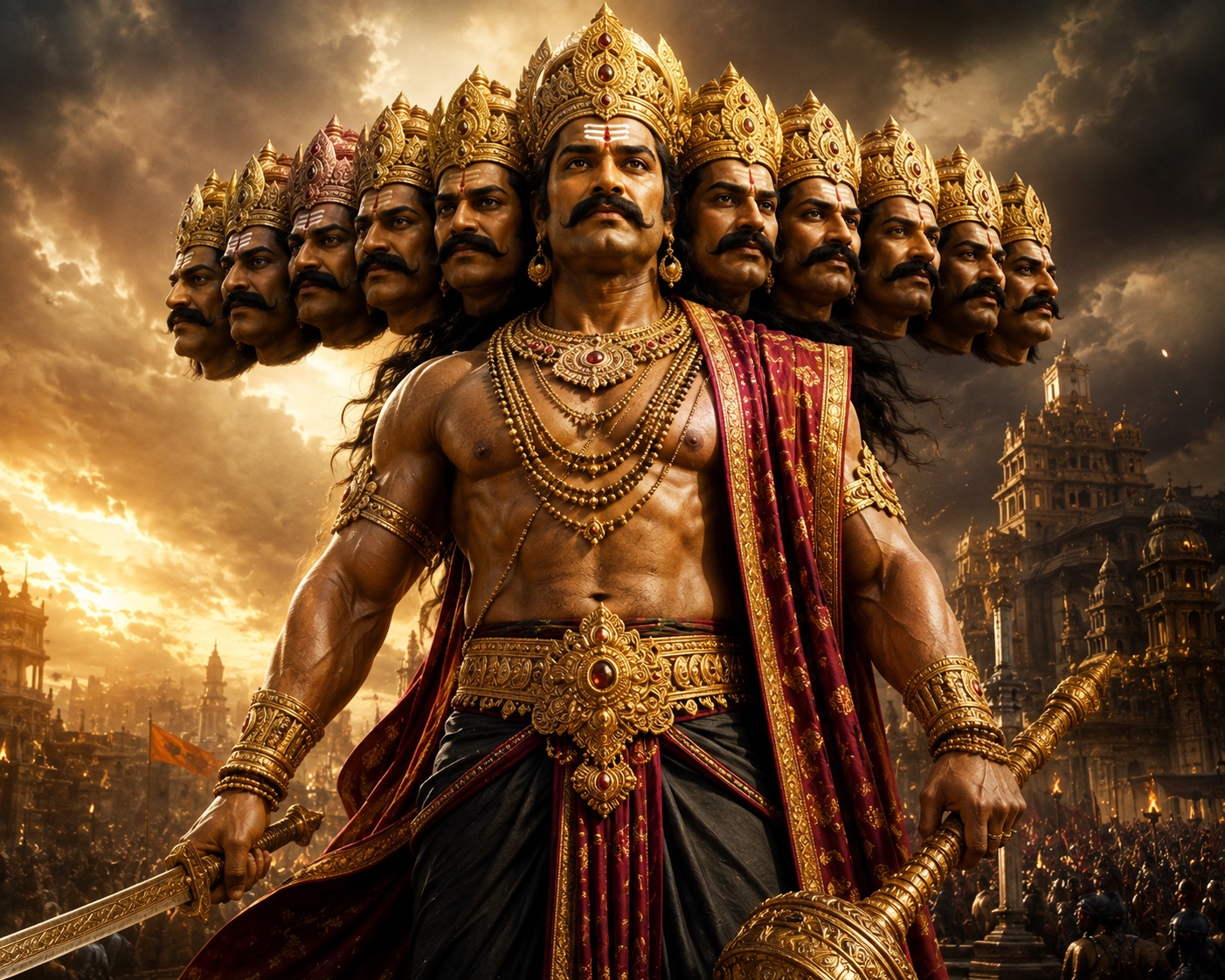 இராவணன் | RAVANANView Ravanan history →
 சேரர் | CHERASView Chera history →
 சோழர் | CHOLASView Chola history →
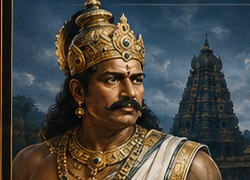 பாண்டியர் | PANDYASView Pandya history →
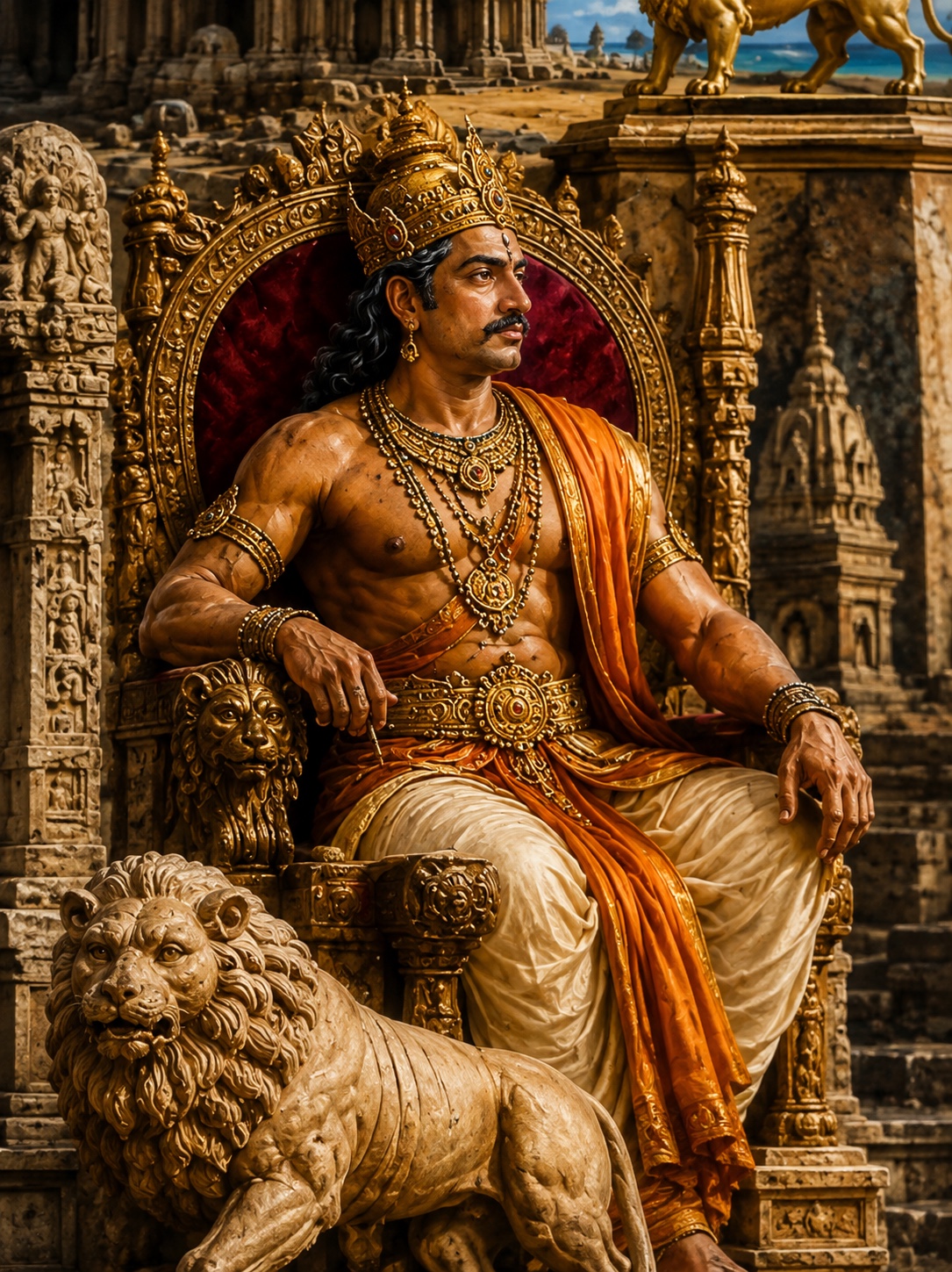 பல்லவர் | PALLAVASView Pallava history →
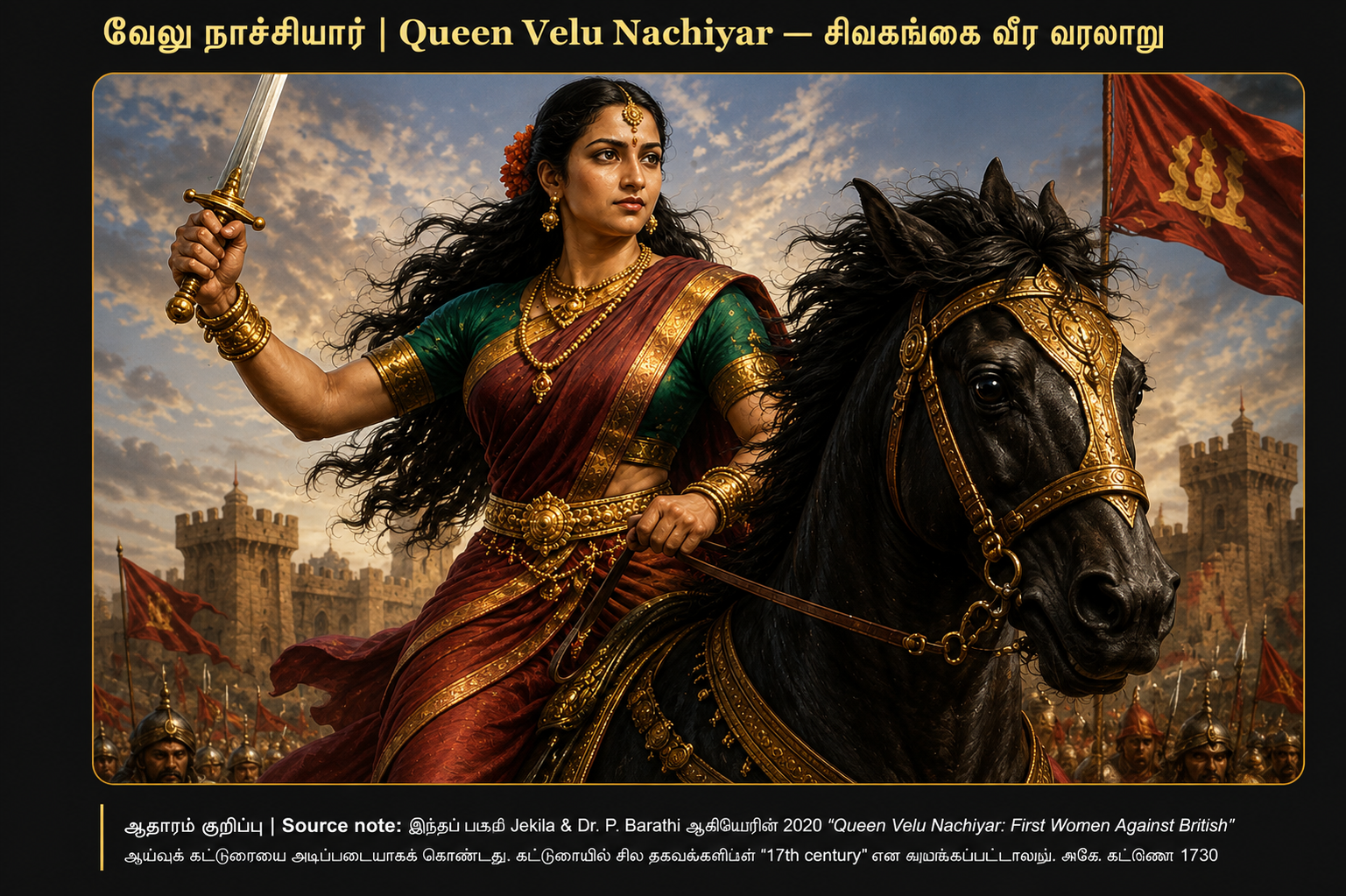 வேலு நாச்சியார் | NATCHIYARView Velu Nachiyar history →
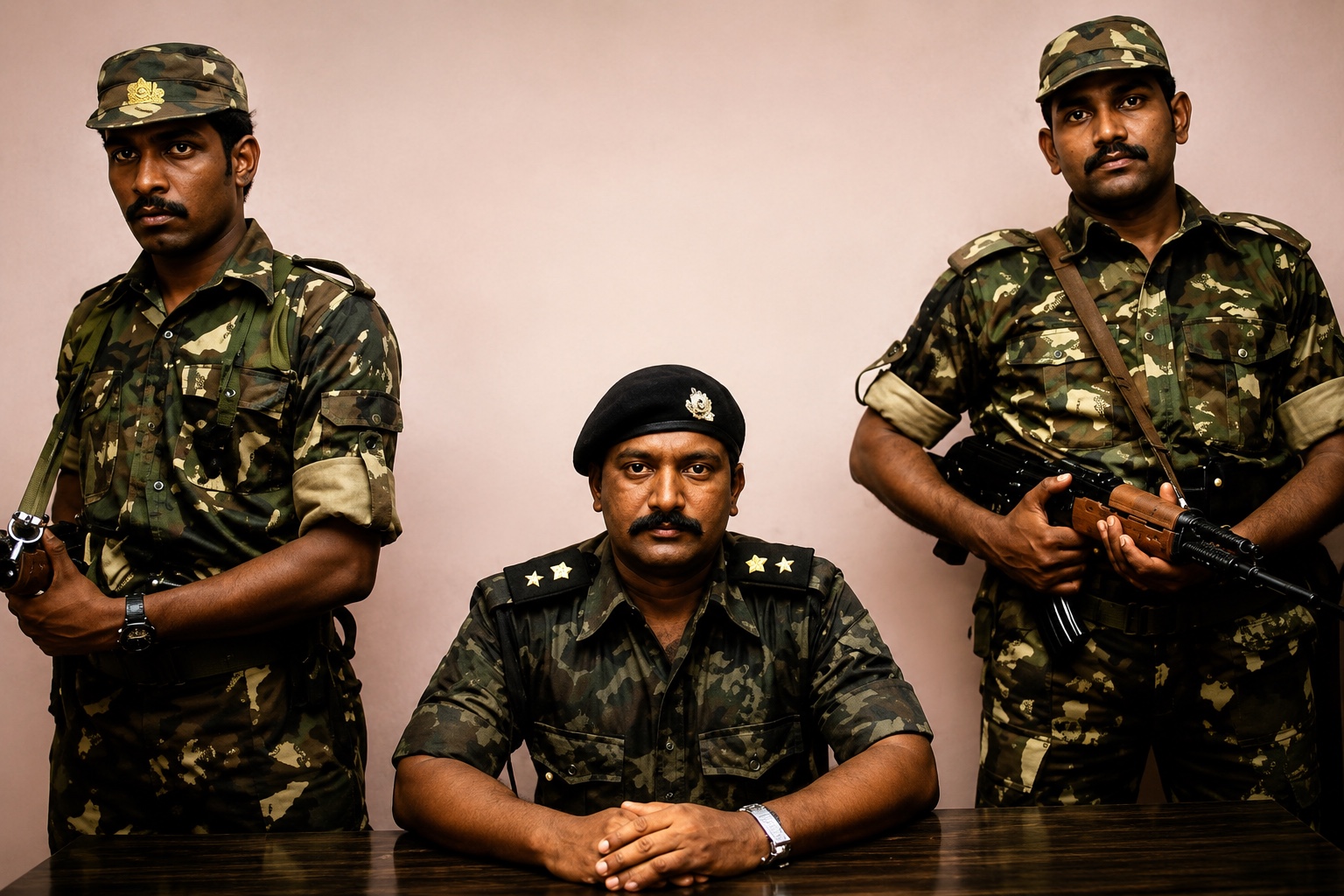 ஈழம் | EELAMView Eelam history →
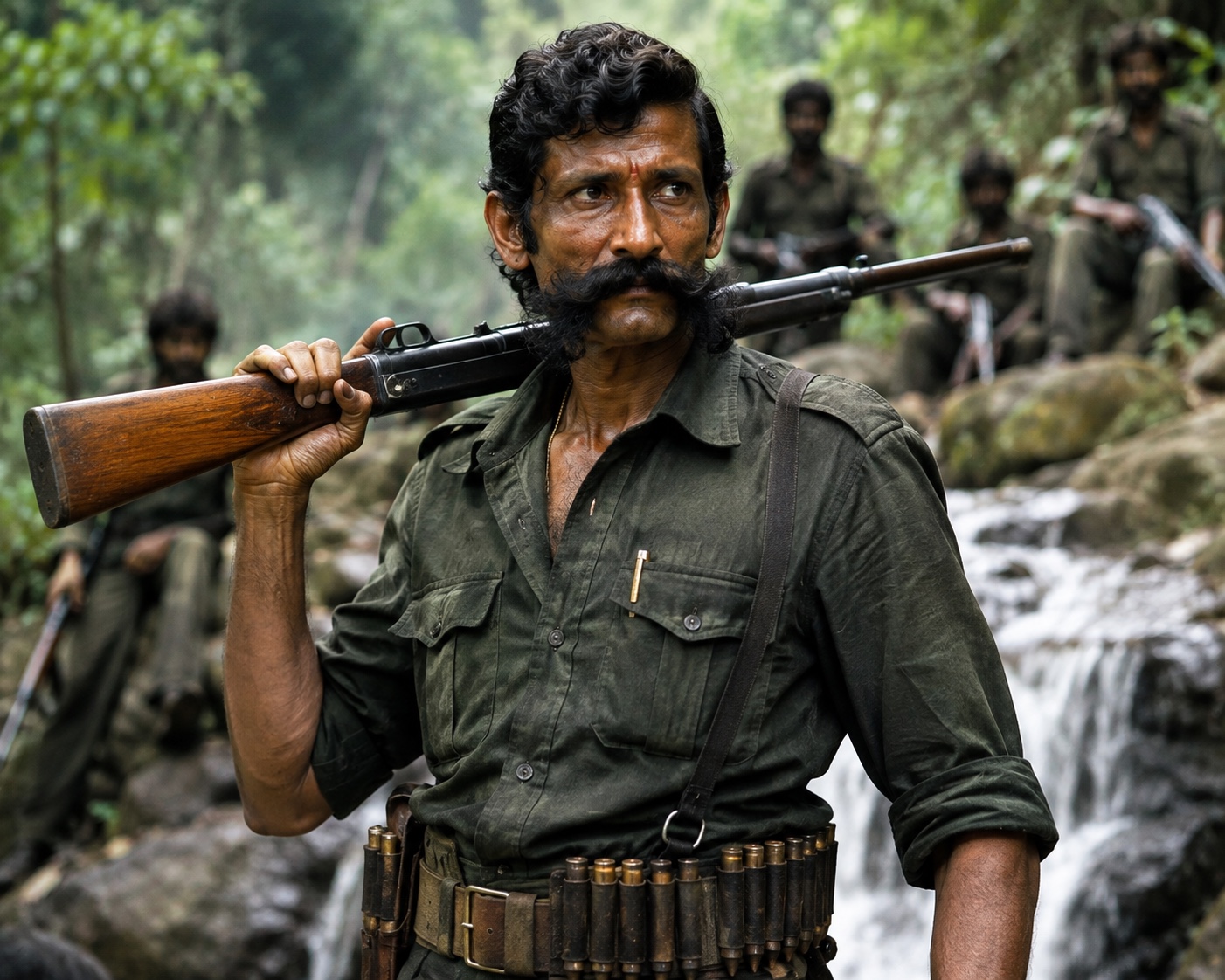 வீரப்பன் | VEERAPPANView documented book history →